
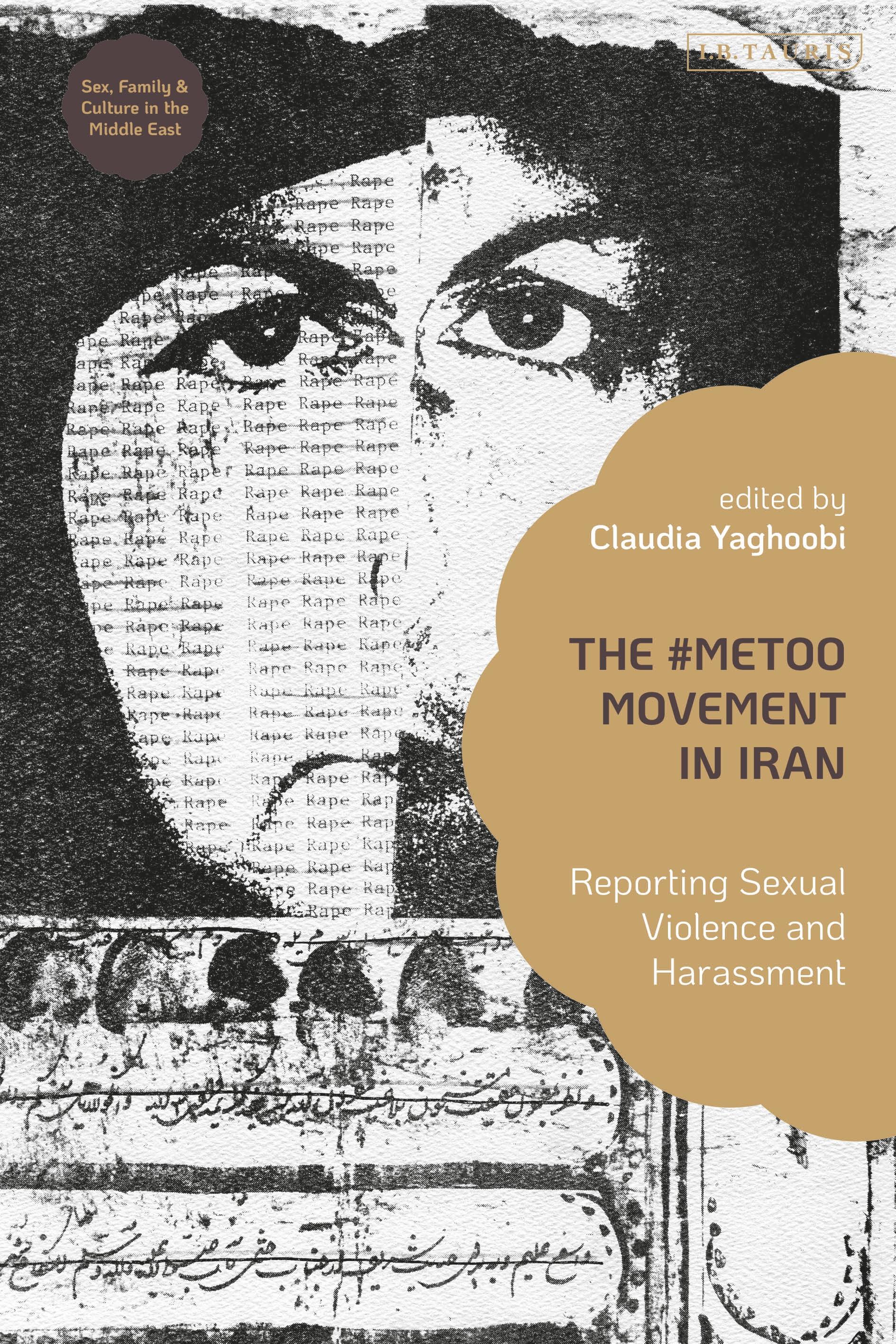
The Iranian #MeToo movement was a crucial form of resistance, with ordinary Iranian women sharing their experiences of sexual harassment and assault in the public sphere of digital media. This is the first book of its kind providing a comprehensive analysis of the Iranian #MeToo movement.
Based on archival, empirical, ethnographic, literary and cultural research, the contributors discuss the abuse of women and society's responses to it. Contextualizing the historical framework of Iranian MeToo activism within larger Iranian feminist movements, as well as the historical background within the context of Middle East, the contributors address how the privileged position of men who have been outed as rapists, helps them to aggregate social, political, sexual, and economic capital through various networks in order to delegitimize the narratives of survivors. The volume also covers the intersections of various systems of oppression specifically highlighting marginalized voices. The contributors highlight the power dynamics within digital feminist networks in Iran and its unique attributes due to political, social, and religious structures. The volume ends with a chapter focusing on cultural productions, specifically cinematic works, through which some filmmakers have challenged normalizations of
sexual harassment by offering alternative discourses which have arguably paved the way for the #MeToo in Iran movement.
Based on archival, empirical, ethnographic, literary and cultural research, the contributors discuss the abuse of women and society's responses to it. Contextualizing the historical framework of Iranian MeToo activism within larger Iranian feminist movements, as well as the historical background within the context of Middle East, the contributors address how the privileged position of men who have been outed as rapists, helps them to aggregate social, political, sexual, and economic capital through various networks in order to delegitimize the narratives of survivors. The volume also covers the intersections of various systems of oppression specifically highlighting marginalized voices. The contributors highlight the power dynamics within digital feminist networks in Iran and its unique attributes due to political, social, and religious structures. The volume ends with a chapter focusing on cultural productions, specifically cinematic works, through which some filmmakers have challenged normalizations of
sexual harassment by offering alternative discourses which have arguably paved the way for the #MeToo in Iran movement.
Pages: 320
Category: Kultur-, Genus- & Postkoloniala studier
e-ISBN: 9780755647279
Shipping weight: 1.2 kg
Ships in: 1-2 days
Pay easily by card, Klarna, Apple Pay or Google Pay. Not happy? You always have a 14-day money-back guarantee. Read more in our terms. If you have any questions, email us at hello@memmo.org.
Memmo makes studying easier – wherever you are in the world. We bring your course books and smart study tools together in one place: summaries, quizzes, podcasts and flashcards. Plus Ted, your study buddy who answers anything you wonder. Over 50,000 students already study here – built to help you learn faster and stress less.