
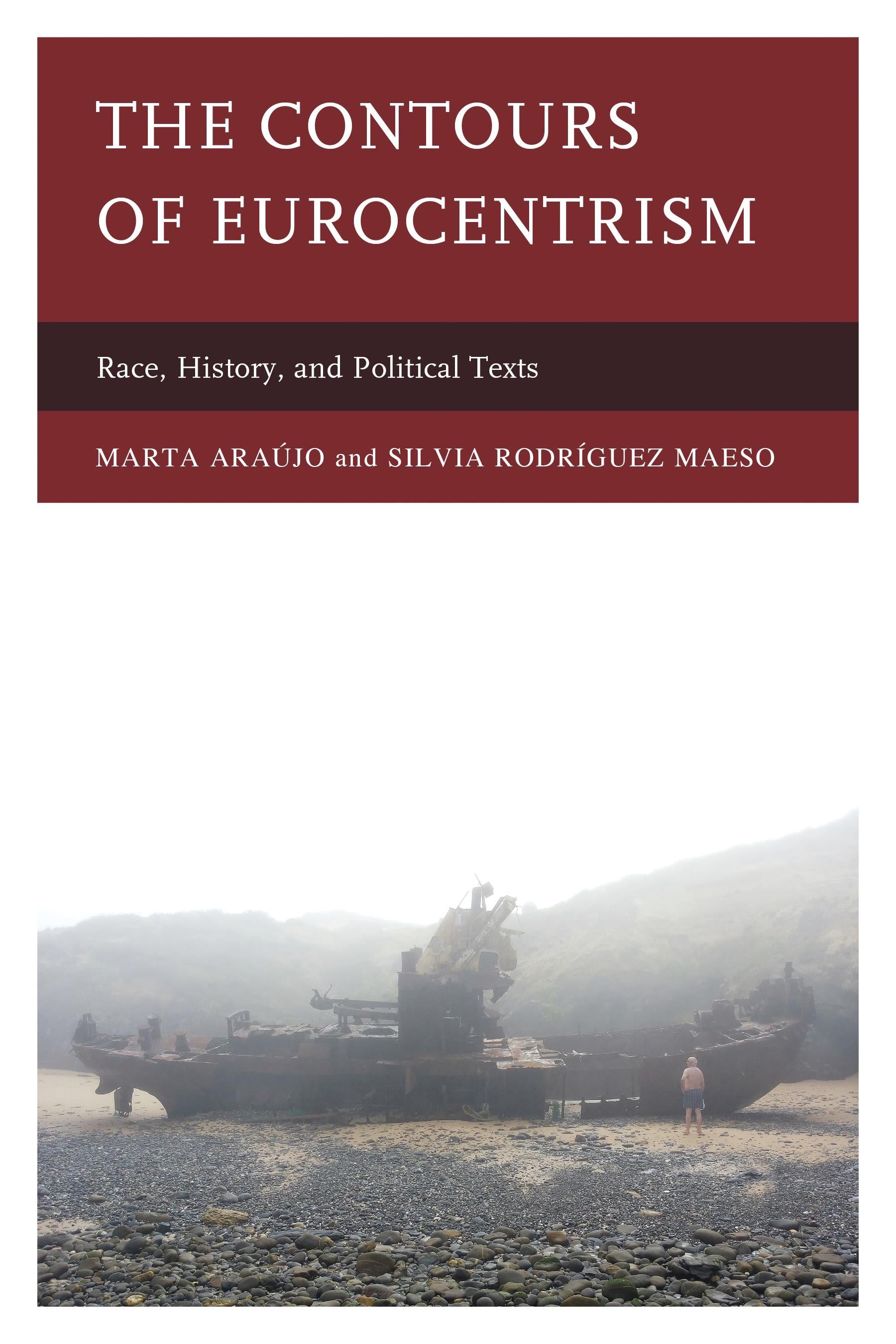
This book proposes an approach to Eurocentrism as a paradigm of knowledge production and interpretation rooted in the Western narrative of modernity and its racial governmentalities. Accordingly, it interrogates the relationship between knowledge, race, and power at the heart of debates on the making and circulation of history, opening up a tension, not so much with other histories, but with Eurocentrism’s formulas of self-assurance, and attempts to accommodate other narratives. The book is an interdisciplinary endeavor that engages with diverse political and academic contexts and debates that reveal understandings of coloniality/modernity, specifically in education. Education, and in particular history teaching, is approached as a key arena in which to explore the (re)configuration of broader political and academic discourses and silences on power and race. Moving beyond discussions on national identity and the multicultural curriculum, it critically examines textbooks in Portugal and the discussions raised during empirical research with actors from a wide variety of fields, such as academia, policy and decision-making, schooling and the media. These are addressed in relation to the international context that saw the consolidation of global and regional organizations—such as UNESCO and the Council of Europe—which established scientific knowledge as a key solution to political conflicts (conventionally defined as exacerbated nationalism, ethnocentrism and cultural misunderstandings). Central to these discussions are the ideas of multiperspectivity and the inclusion of content about the ‘other’, which are addressed in detail through a case study on depictions of the African national liberation movements. This book aims to contribute to the critique of the contemporary workings of Eurocentrism and racism that have frustrated the struggles for the decolonization of knowledge and continue to shape our understandings of the world order in racially hierarchical terms, by re-centering the West/Europe.
Pay easily by card, Klarna, Apple Pay or Google Pay. Not happy? You always have a 14-day money-back guarantee. Read more in our terms. If you have any questions, email us at hello@memmo.org.
Memmo makes studying easier – wherever you are in the world. We bring your course books and smart study tools together in one place: summaries, quizzes, podcasts and flashcards. Plus Ted, your study buddy who answers anything you wonder. Over 50,000 students already study here – built to help you learn faster and stress less.