
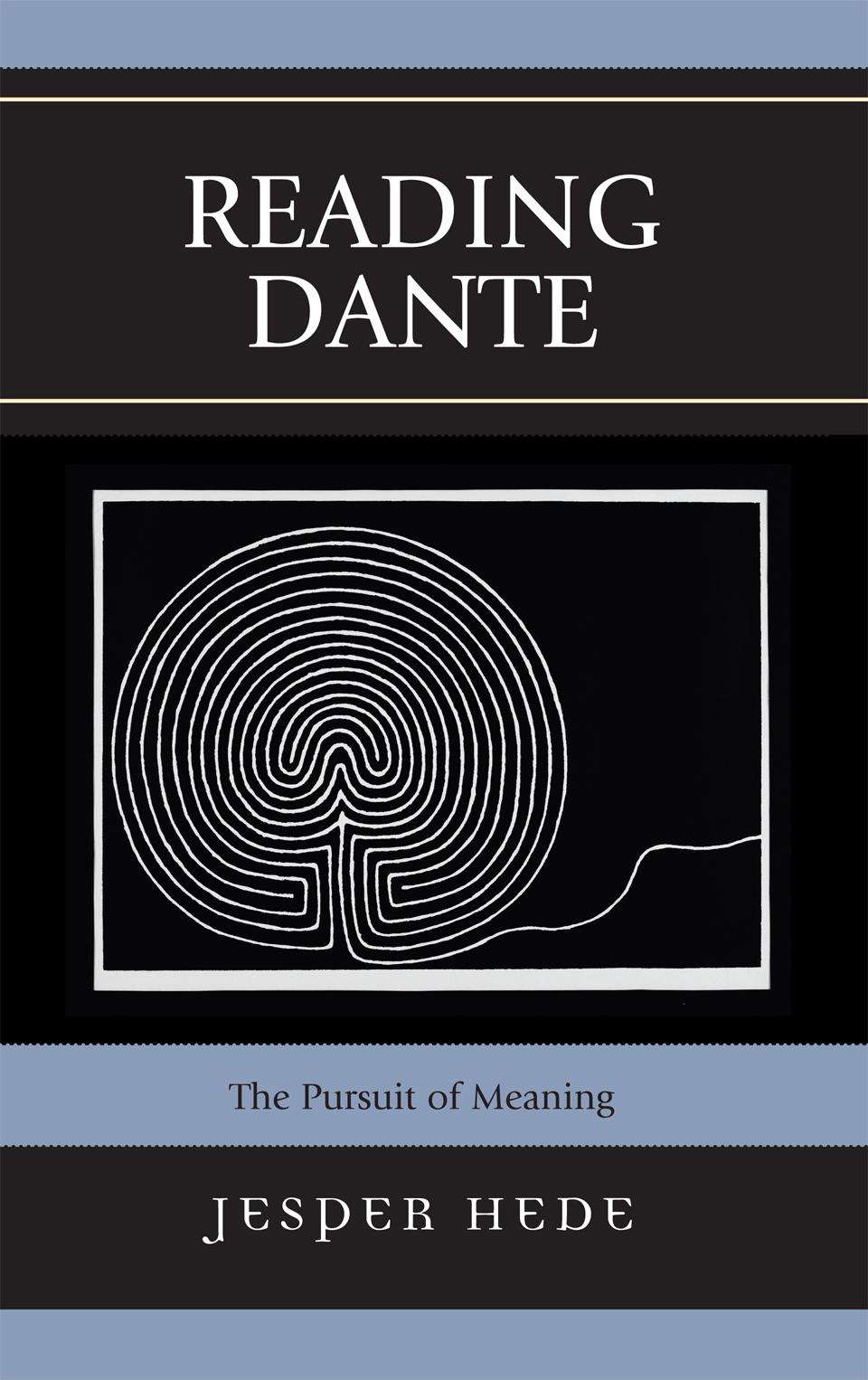
Reading Dante: The Pursuit of Meaning examines the problem of determining the thematic unity of Dante's Divina Commedia in the history of Dante studies. The question of unity has puzzled Dante readers for centuries, due to an apparent discrepancy between Dante's construction of the afterworld and medieval Christian teachings on the conditions of the afterlife. If all sins condemned in Hell can be forgiven, we would expect to see them purged in Purgatory and their virtuous opposite celebrated in Paradise. In Dante's account, however, the three realms of the afterlife appear as self-contained entities with only partially related structures that undermine the establishment of thematic correspondences and the determination of the poem's thematic unity. Was Dante inconsistent in his exposition of the divine order, or have Dante scholars been inconsistent in their treatment of the poem's thematic content? Jesper Hede examines the prevalent strategies of reading applied by Dante scholars in their attempt to solve the problem of unity. Detailing the major contributions to the resolution of the problem and focusing on medieval philosophy and modern hermeneutics, Hede argues that a systematic parallel reading of the poem's three parts reveals that it is the vision of divine order that gives the poem its thematic unity.
Pay easily by card, Klarna, Apple Pay or Google Pay. Not happy? You always have a 14-day money-back guarantee. Read more in our terms. If you have any questions, email us at hello@memmo.org.
Memmo makes studying easier – wherever you are in the world. We bring your course books and smart study tools together in one place: summaries, quizzes, podcasts and flashcards. Plus Ted, your study buddy who answers anything you wonder. Over 50,000 students already study here – built to help you learn faster and stress less.