
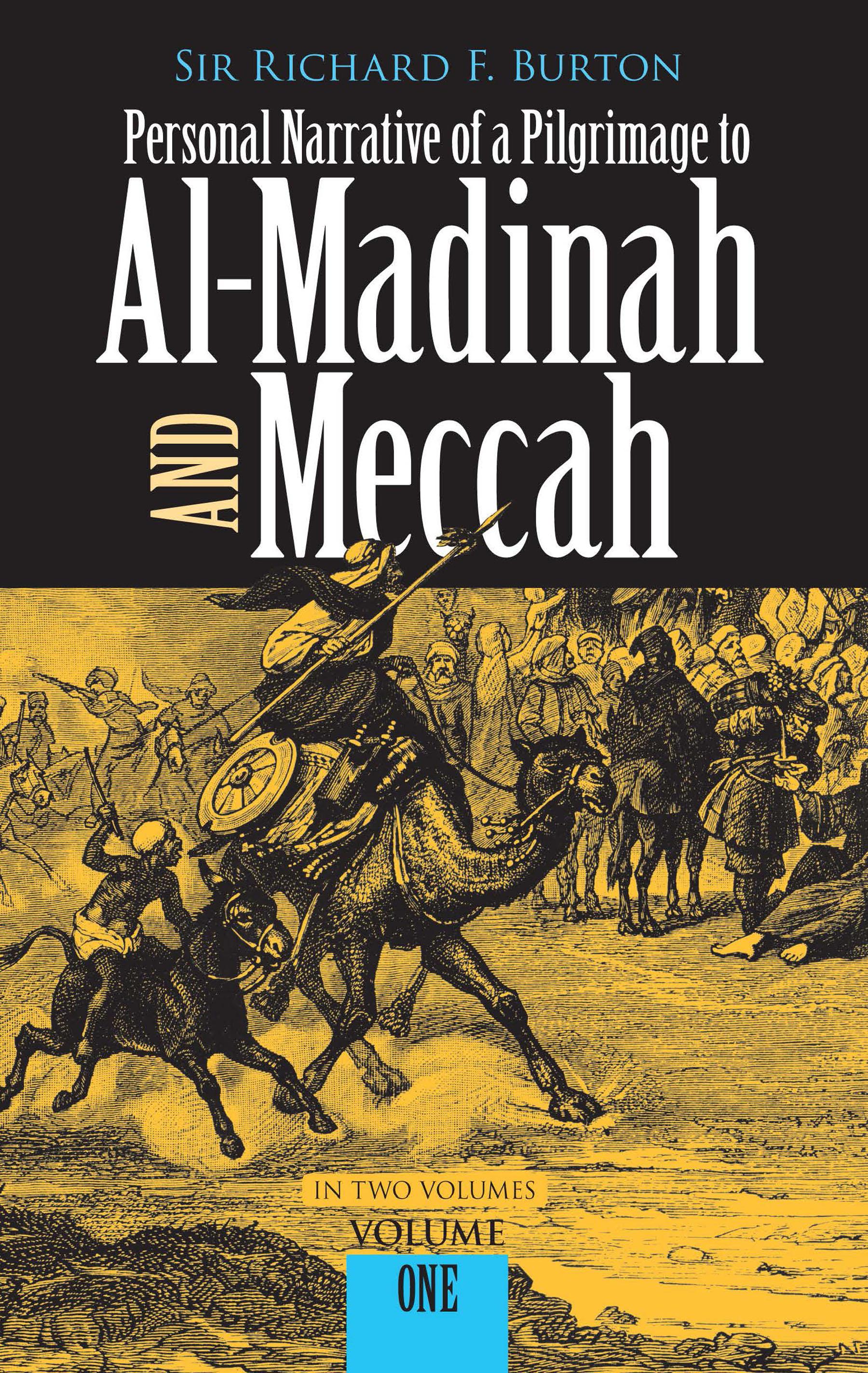
Impelled by wanderlust and the spirit of adventure and aided by an extraordinary facility in Eastern languages, Sir Richard Burton (1821-90) was one of the great traveler-explorers of history. He was the first European to enter the capital of Somaliland and the first to discover the Great Lakes of Central Africa. He was also an Orientalist of the first rank.
But it is for his pilgrimage in 1853 to Mecca and Medina and the most sacrosanct shrines of Islam that Burton is best known — and for his celebrated book that recorded his experiences during the journey. Successfully posing as a wandering dervish, he gained admittance to the holy Kaabah and to the Tomb of the Prophet at Medina and participated in all the rituals of the Hadj (pilgrimage). He is still one of the very few non-Moslems to visit and return from Mecca.
Above all, Burton was a sharp observer — of character, customs, and physical surroundings. These pages contain a treasury of material on Arab life, beliefs, manners and morals; detailed descriptions of religious ceremonies, mosques, temples, etc.; and a variety of ethnographic, economic, and geographical information. Whether telling of the crowded caravan to Mecca, engaging in minute analysis of Bedouin character, waxing lyrical about a desert landscape, or reporting conversations with townsfolk or fellow pilgrims, Burton gives us a vivid picture of the region and its people.
Along with his thorough familiarity with the cultures and languages of the Middle East, Burton exhibited a resourcefulness and presence of mind that were to serve him well along the way. These qualities saw him through many a taut situation in a country where violence was easily kindled. And they permitted him to get to and into places a man with less enterprise would never have dreamed of going.
This book’s value to historians of culture and religion, Orientalists, and other scholars is obvious. Yet it is as a great classic of travel that it has attracted such a wide audience. Burton’s highly personal style, vigorous opinions, and his matter-of-fact humor against a backdrop of constant hazard and possible exposure have delighted tens of thousands of readers for more than a century. This reprint gives today’s readers an opportunity to enjoy this unique work.
But it is for his pilgrimage in 1853 to Mecca and Medina and the most sacrosanct shrines of Islam that Burton is best known — and for his celebrated book that recorded his experiences during the journey. Successfully posing as a wandering dervish, he gained admittance to the holy Kaabah and to the Tomb of the Prophet at Medina and participated in all the rituals of the Hadj (pilgrimage). He is still one of the very few non-Moslems to visit and return from Mecca.
Above all, Burton was a sharp observer — of character, customs, and physical surroundings. These pages contain a treasury of material on Arab life, beliefs, manners and morals; detailed descriptions of religious ceremonies, mosques, temples, etc.; and a variety of ethnographic, economic, and geographical information. Whether telling of the crowded caravan to Mecca, engaging in minute analysis of Bedouin character, waxing lyrical about a desert landscape, or reporting conversations with townsfolk or fellow pilgrims, Burton gives us a vivid picture of the region and its people.
Along with his thorough familiarity with the cultures and languages of the Middle East, Burton exhibited a resourcefulness and presence of mind that were to serve him well along the way. These qualities saw him through many a taut situation in a country where violence was easily kindled. And they permitted him to get to and into places a man with less enterprise would never have dreamed of going.
This book’s value to historians of culture and religion, Orientalists, and other scholars is obvious. Yet it is as a great classic of travel that it has attracted such a wide audience. Burton’s highly personal style, vigorous opinions, and his matter-of-fact humor against a backdrop of constant hazard and possible exposure have delighted tens of thousands of readers for more than a century. This reprint gives today’s readers an opportunity to enjoy this unique work.
Pay easily by card, Klarna, Apple Pay or Google Pay. Not happy? You always have a 14-day money-back guarantee. Read more in our terms. If you have any questions, email us at hello@memmo.org.
Memmo makes studying easier – wherever you are in the world. We bring your course books and smart study tools together in one place: summaries, quizzes, podcasts and flashcards. Plus Ted, your study buddy who answers anything you wonder. Over 75,000 students already study here – built to help you learn faster and stress less.
You might also like
Buy the book0