
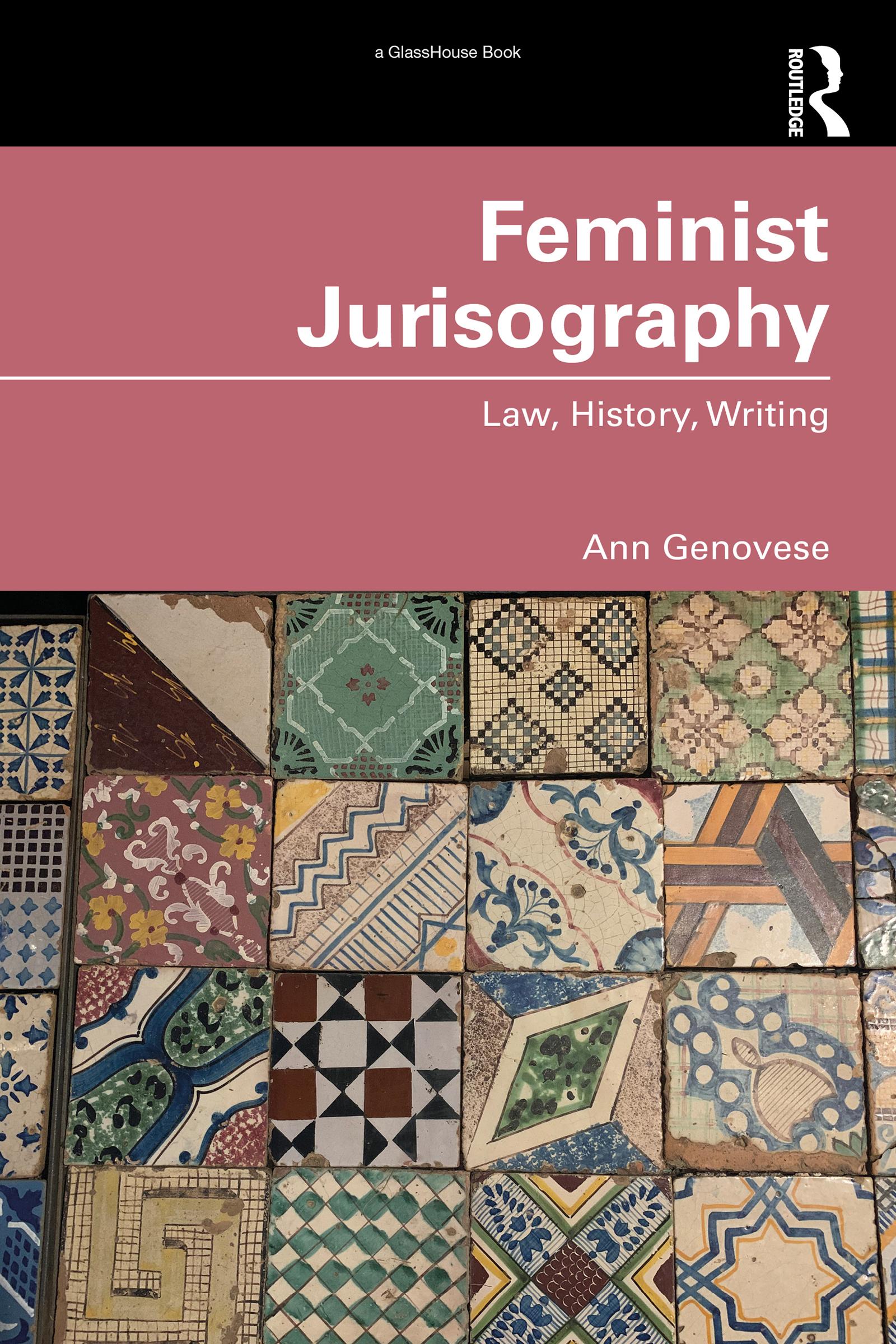
This book offers a jurisprudential meditation on and methodological performance of how feminist and legal thought come into relation. This book is about the conduct of one’s scholarship and why it requires examination.
Across six essays, the book reintroduces official and unofficial jurisprudence writing of the late 20th century to show how disciplinary methods were transformed, and how relations between people and place, and between law and humanities, were transferred from the periphery to the centre of contemporary scholarship. To demonstrate this story, Feminist Jurisography experiments with genre, style, and form to historicise the relationship of a feminist jurisprudent to her own sources, methods, and interlocutors; and remind that it was feminist intellectuals from 1949 onwards who altered conducts of interdisciplinary scholarship in ways that are underacknowledged today. It exemplifies why naming a practice for yourself is an acknowledgment of relations of difference, collaboration, and inheritance, but also a performance of the feminist tradition of intellectual self-assertion that the book explores.
The book will be a useful resource for scholars and students of law and humanities, feminism, and history, and of value to a general audience interested in feminist ideas. The book will benefit contemporary conversations about the history and status of feminist contributions to these fields.
Pay easily by card, Klarna, Apple Pay or Google Pay. Not happy? You always have a 14-day money-back guarantee. Read more in our terms. If you have any questions, email us at hello@memmo.org.
Memmo makes studying easier – wherever you are in the world. We bring your course books and smart study tools together in one place: summaries, quizzes, podcasts and flashcards. Plus Ted, your study buddy who answers anything you wonder. Over 50,000 students already study here – built to help you learn faster and stress less.