
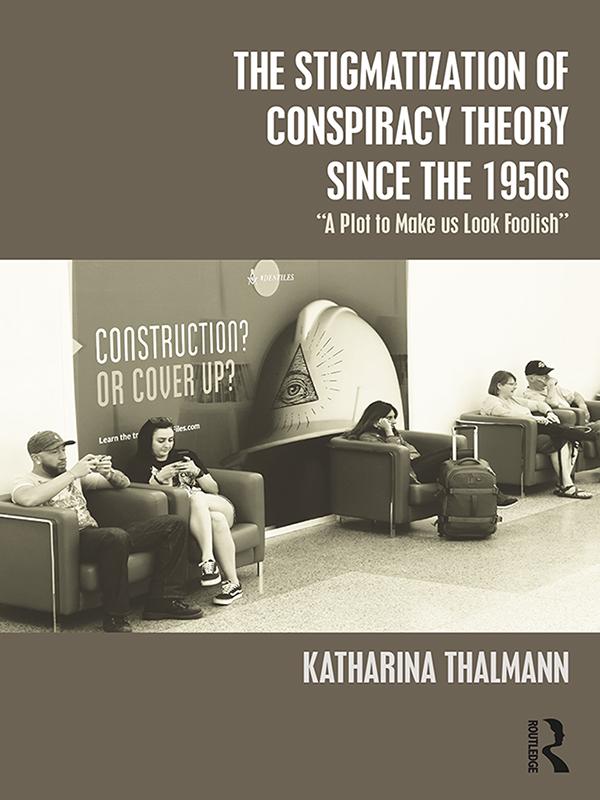
Are conspiracy theories everywhere and is everyone a conspiracy theorist? This ground-breaking study challenges some of the widely shared assessments in the scholarship about a perceived mainstreaming of conspiracy theory. It claims that conspiracy theory underwent a significant shift in status in the mid-20th century and has since then become highly visible as an object of concern in public debates.
Providing an in-depth analysis of academic and media discourses, Katharina Thalmann is the first scholar to systematically trace the history and process of the delegitimization of conspiracy theory. By reading a wide range of conspiracist accounts about three central events in American history from the 1950s to 1970s – the Great Red Scare, the Kennedy assassination, and the Watergate scandal – Thalmann shows that a veritable conspiracist subculture emerged in the 1970s as conspiracy theories were pushed out of the legitimate marketplace of ideas and conspiracy theory became a commodity not unlike pornography: alluring in its illegitimacy, commonsensical, and highly profitable.
This will be of interest to scholars and researchers interested in American history, culture and subcultures, as well, of course, to those fascinated by conspiracies.
Pay easily by card, Klarna, Apple Pay or Google Pay. Not happy? You always have a 14-day money-back guarantee. Read more in our terms. If you have any questions, email us at hello@memmo.org.
Memmo makes studying easier – wherever you are in the world. We bring your course books and smart study tools together in one place: summaries, quizzes, podcasts and flashcards. Plus Ted, your study buddy who answers anything you wonder. Over 50,000 students already study here – built to help you learn faster and stress less.