
*Shortlisted for the 2022 Lord Aberdare Literary Prize*
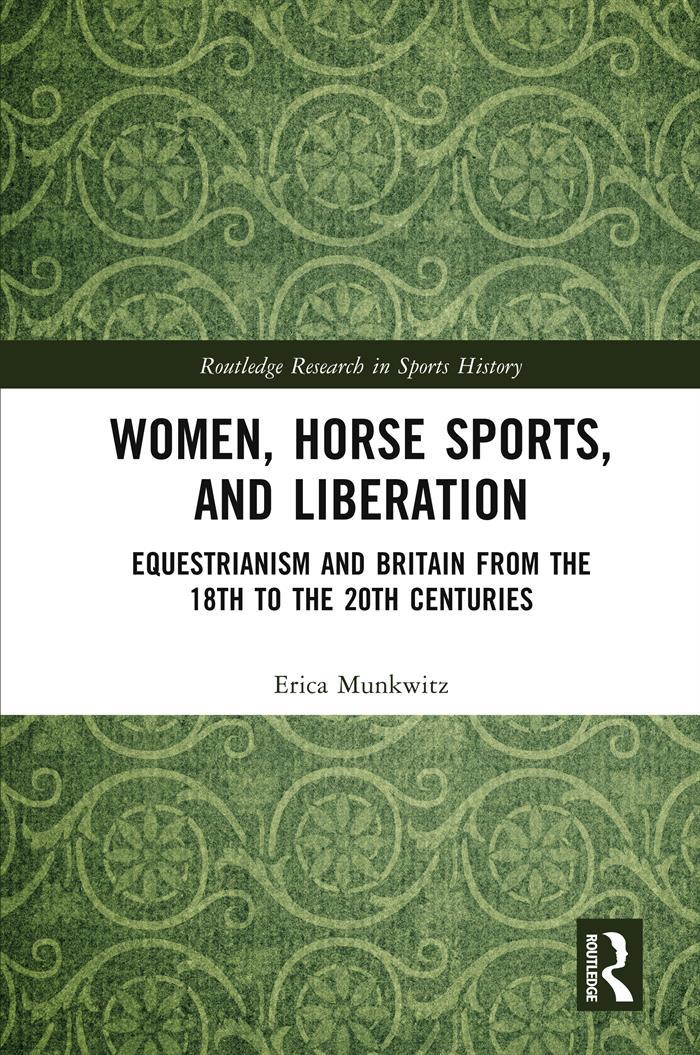
This book is the first, full-length scholarly examination of British women’s involvement in equestrianism from the eighteenth through the twentieth centuries, as well as the corresponding transformations of gender, class, sport, and national identity in Britain and its Empire.
It argues that women’s participation in horse sports transcended limitations of class and gender in Britain and highlights the democratic ethos that allowed anyone skilled enough to ride and hunt – from chimney-sweep to courtesan. Furthermore, women’s involvement in equestrianism reshaped ideals of race and reinforced imperial ideology at the zenith of the British Empire. Here, British women abandoned the sidesaddle – which they had been riding in for almost half a millennium – to ride astride like men, thus gaining complete equality on horseback. Yet female equestrians did not seek further emancipation in the form of political rights. This paradox – of achieving equality through sport but not through politics – shows how liberating sport was for women into the twentieth century. It brings into question what “emancipation” meant in practice to women in Britain from the eighteenth through twentieth centuries.
This is fascinating reading for scholars of sports history, women's history, British history, and imperial history, as well as those interested in the broader social, gendered, and political histories of the nineteenth and twentieth centuries, and for all equestrian enthusiasts.
Pay easily by card, Klarna, Apple Pay or Google Pay. Not happy? You always have a 14-day money-back guarantee. Read more in our terms. If you have any questions, email us at hello@memmo.org.
Memmo makes studying easier – wherever you are in the world. We bring your course books and smart study tools together in one place: summaries, quizzes, podcasts and flashcards. Plus Ted, your study buddy who answers anything you wonder. Over 50,000 students already study here – built to help you learn faster and stress less.