
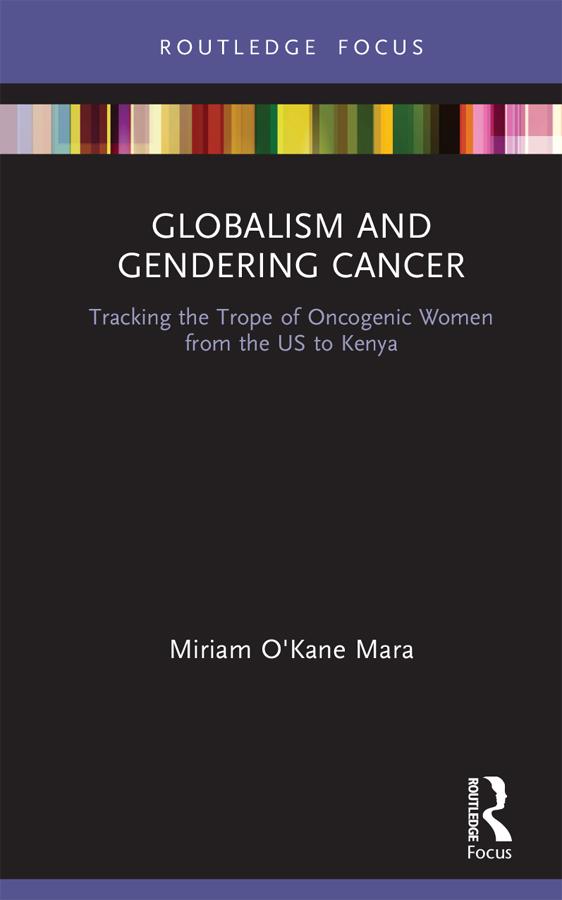
This book connects a rhetorical examination of medical and public health policy documents with a humanistic investigation of cultural texts to uncover the link between gendered representations of health and cancer.
The author argues that in western biomedical contexts cancer is considered a women’s disease and their bodies are treated as inherently oncogenic or cancer-producing, which leads to biomedical practices that adversely impact their bodily autonomy. She examines how these biases traverse national boundaries by examining the transmission of biomedical cancer practices from the US and international organizations to Kenya.
This book is suited to scholars and students working in the fields of Rhetorics of Health and Medicine, Medical Humanities and Gender Studies. It is also of interest to medical professionals and readers interested in globalism and global health.
Pay easily by card, Klarna, Apple Pay or Google Pay. Not happy? You always have a 14-day money-back guarantee. Read more in our terms. If you have any questions, email us at hello@memmo.org.
Memmo makes studying easier – wherever you are in the world. We bring your course books and smart study tools together in one place: summaries, quizzes, podcasts and flashcards. Plus Ted, your study buddy who answers anything you wonder. Over 50,000 students already study here – built to help you learn faster and stress less.