
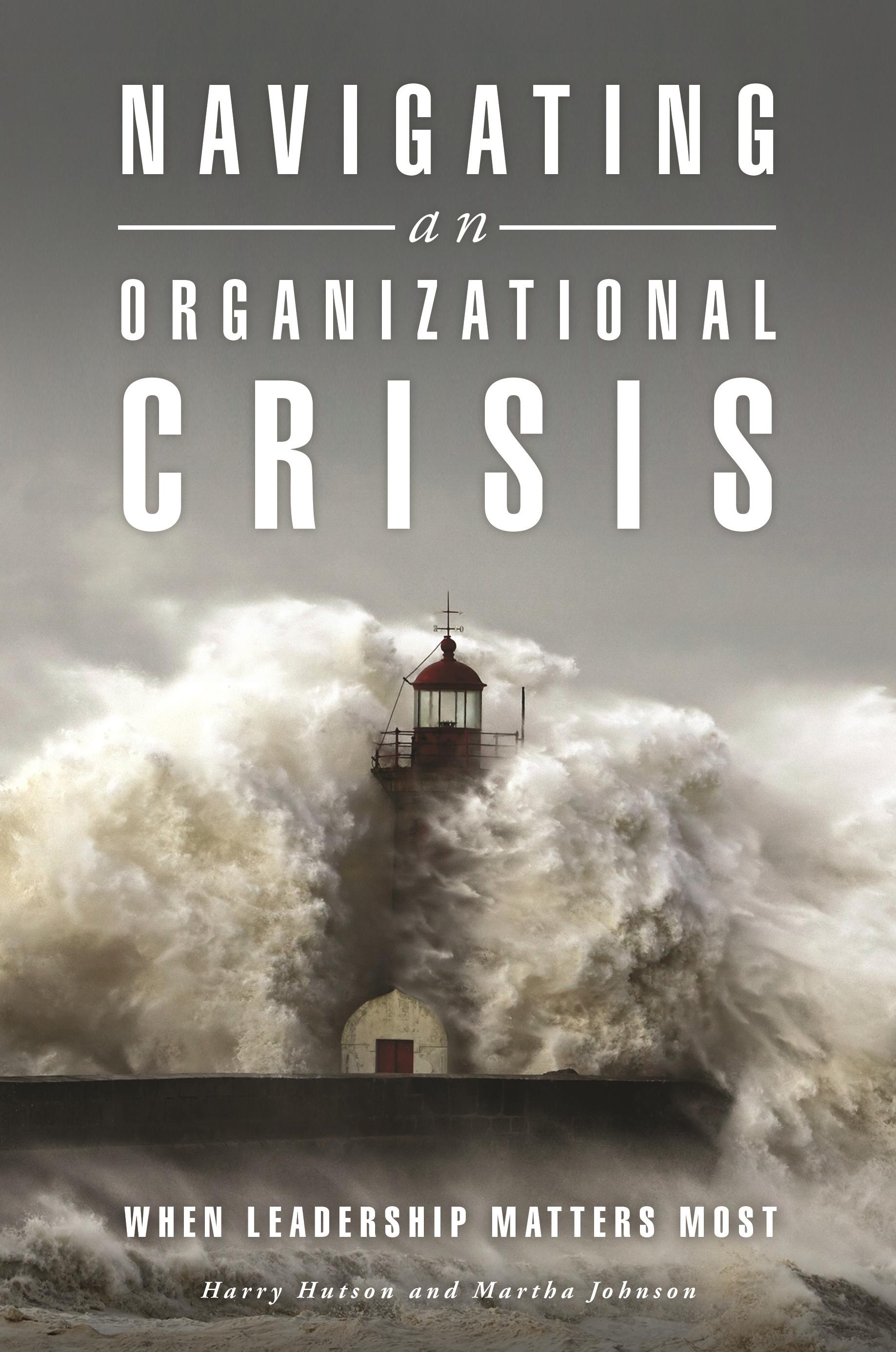
How are leaders facing a crisis supposed to handle and overcome an unknowable set of issues? This book demonstrates how effective leaders under pressure work from an understanding of the situation at hand and of their impact on others, and explains how leaders can best apply their internal strengths.
Most leaders are steeped in risk management, crisis response tactics, readiness for disaster, continuity-of-operations planning, and logistical and agility capabilities. These preparations are critical but not complete. The reality is that even experienced leaders themselves need guidance when it comes to managing a crisis. This standout book fills that need, drawing on interviews with successful leaders; research findings on trauma, neuroscience, and crisis management; and the authors' own extensive career experiences. The chapters suggest and probe ideas from various angles rather than promoting simplistic formulas or nostrums that are unlikely to apply to all circumstances and present new angles on self-awareness and management under pressure for the practitioner.
The book leads off with a description of organizational disaster and crisis leadership—topics of considerable concern as disasters are becoming the "new normal." The authors then explore three critical but very different types of responses by leaders at such a time: recognition and response, care of self and others, and storytelling. A detailed case study of a leader in the midst of Hurricane Katrina—the most expensive natural disaster in U.S. history—provides readers with a real-world practicum for the theories and ideas suggested.
Most leaders are steeped in risk management, crisis response tactics, readiness for disaster, continuity-of-operations planning, and logistical and agility capabilities. These preparations are critical but not complete. The reality is that even experienced leaders themselves need guidance when it comes to managing a crisis. This standout book fills that need, drawing on interviews with successful leaders; research findings on trauma, neuroscience, and crisis management; and the authors' own extensive career experiences. The chapters suggest and probe ideas from various angles rather than promoting simplistic formulas or nostrums that are unlikely to apply to all circumstances and present new angles on self-awareness and management under pressure for the practitioner.
The book leads off with a description of organizational disaster and crisis leadership—topics of considerable concern as disasters are becoming the "new normal." The authors then explore three critical but very different types of responses by leaders at such a time: recognition and response, care of self and others, and storytelling. A detailed case study of a leader in the midst of Hurricane Katrina—the most expensive natural disaster in U.S. history—provides readers with a real-world practicum for the theories and ideas suggested.
Płać wygodnie kartą, Klarną, Apple Pay lub Google Pay. Nie jesteś zadowolony? Zawsze masz 14-dniową gwarancję zwrotu pieniędzy. Więcej przeczytasz w naszych warunkach. Masz pytania? Napisz do nas na hello@memmo.org.
Memmo ułatwia naukę – gdziekolwiek jesteś na świecie. U nas znajdziesz podręczniki i sprytne narzędzia do nauki w jednym miejscu: streszczenia, quizy, podcasty i fiszki. A do tego Ted, Twój kumpel do nauki, który odpowie na wszystko, co Cię nurtuje. Ponad 50 000 studentów już tu się uczy – stworzone, byś uczył się szybciej i mniej stresował.