
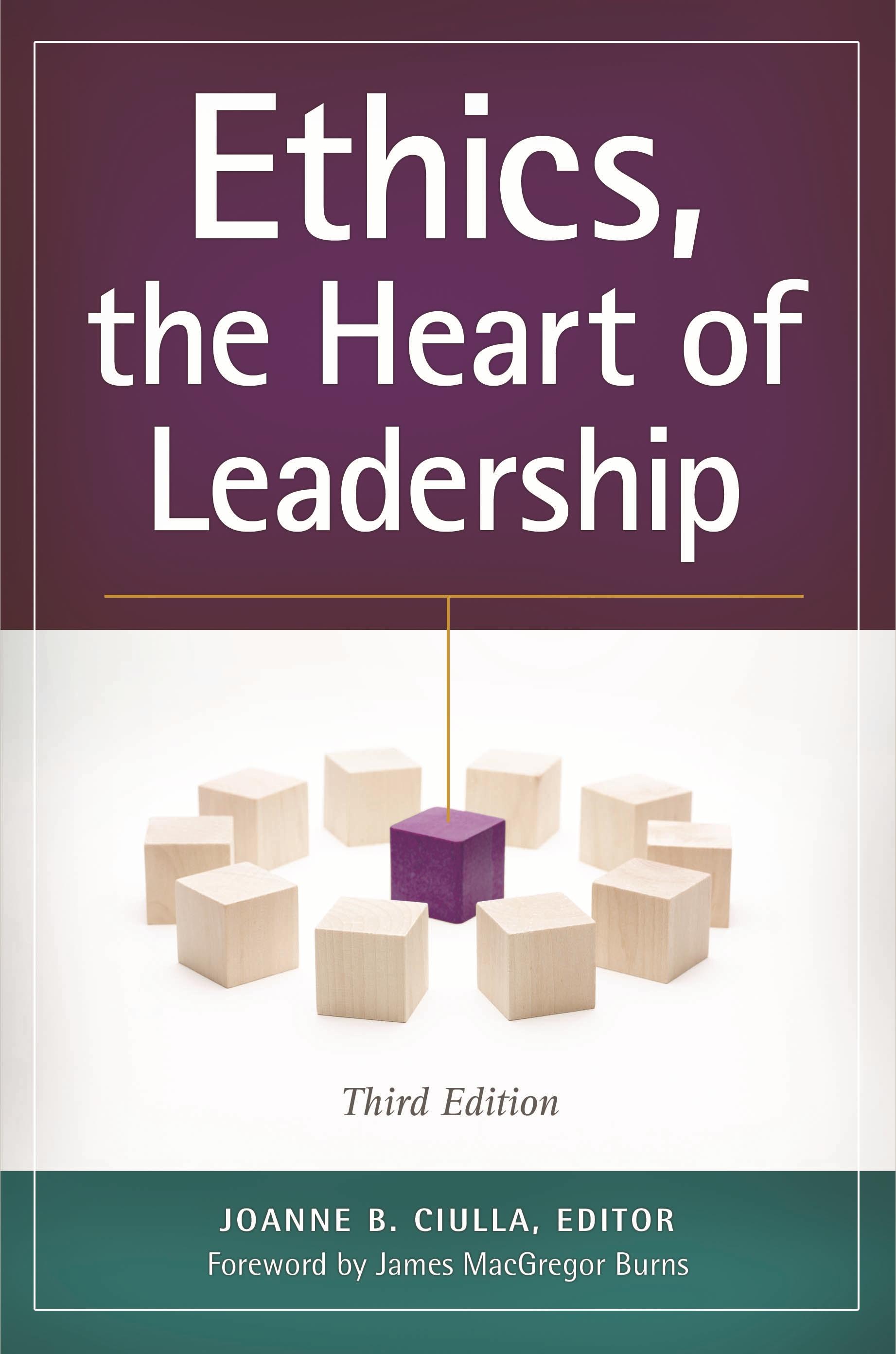
Top academic scholars ponder the question of ethics as it pertains to all aspects of leadership in business, government, and nonprofit organizations.
If leaders were defined by their influence on history, Hitler would be on par with Gandhi, Lincoln, and Mother Theresa. Yet most of us believe that our superiors have a responsibility to exercise power with a purpose far greater than any political agenda and a motive more noble than personal gain. This thought-provoking collection of essays explores the ethical challenges that leaders face in their relationships with followers, the choices they make, and the ways in which they influence others.
Joanne Ciulla and her contributors examine the traits and characteristics of top-tier leaders. She questions the assumption that moral fortitude is an inherent part of being in charge; analyzes the roles that charisma, morality, and delegation play in the leadership paradigm; and considers whether individuals who want to lead with integrity but are sometimes forced to get their hands dirty for their constituents can be called "moral leaders." Readers will gain an appreciation for how ethics is not an add-on to the practice of leadership but rather an integral part of it—an element that informs the very idea of what it means to lead and to lead well.
If leaders were defined by their influence on history, Hitler would be on par with Gandhi, Lincoln, and Mother Theresa. Yet most of us believe that our superiors have a responsibility to exercise power with a purpose far greater than any political agenda and a motive more noble than personal gain. This thought-provoking collection of essays explores the ethical challenges that leaders face in their relationships with followers, the choices they make, and the ways in which they influence others.
Joanne Ciulla and her contributors examine the traits and characteristics of top-tier leaders. She questions the assumption that moral fortitude is an inherent part of being in charge; analyzes the roles that charisma, morality, and delegation play in the leadership paradigm; and considers whether individuals who want to lead with integrity but are sometimes forced to get their hands dirty for their constituents can be called "moral leaders." Readers will gain an appreciation for how ethics is not an add-on to the practice of leadership but rather an integral part of it—an element that informs the very idea of what it means to lead and to lead well.
Płać wygodnie kartą, Klarną, Apple Pay lub Google Pay. Nie jesteś zadowolony? Zawsze masz 14-dniową gwarancję zwrotu pieniędzy. Więcej przeczytasz w naszych warunkach. Masz pytania? Napisz do nas na hello@memmo.org.
Memmo ułatwia naukę – gdziekolwiek jesteś na świecie. U nas znajdziesz podręczniki i sprytne narzędzia do nauki w jednym miejscu: streszczenia, quizy, podcasty i fiszki. A do tego Ted, Twój kumpel do nauki, który odpowie na wszystko, co Cię nurtuje. Ponad 50 000 studentów już tu się uczy – stworzone, byś uczył się szybciej i mniej stresował.