
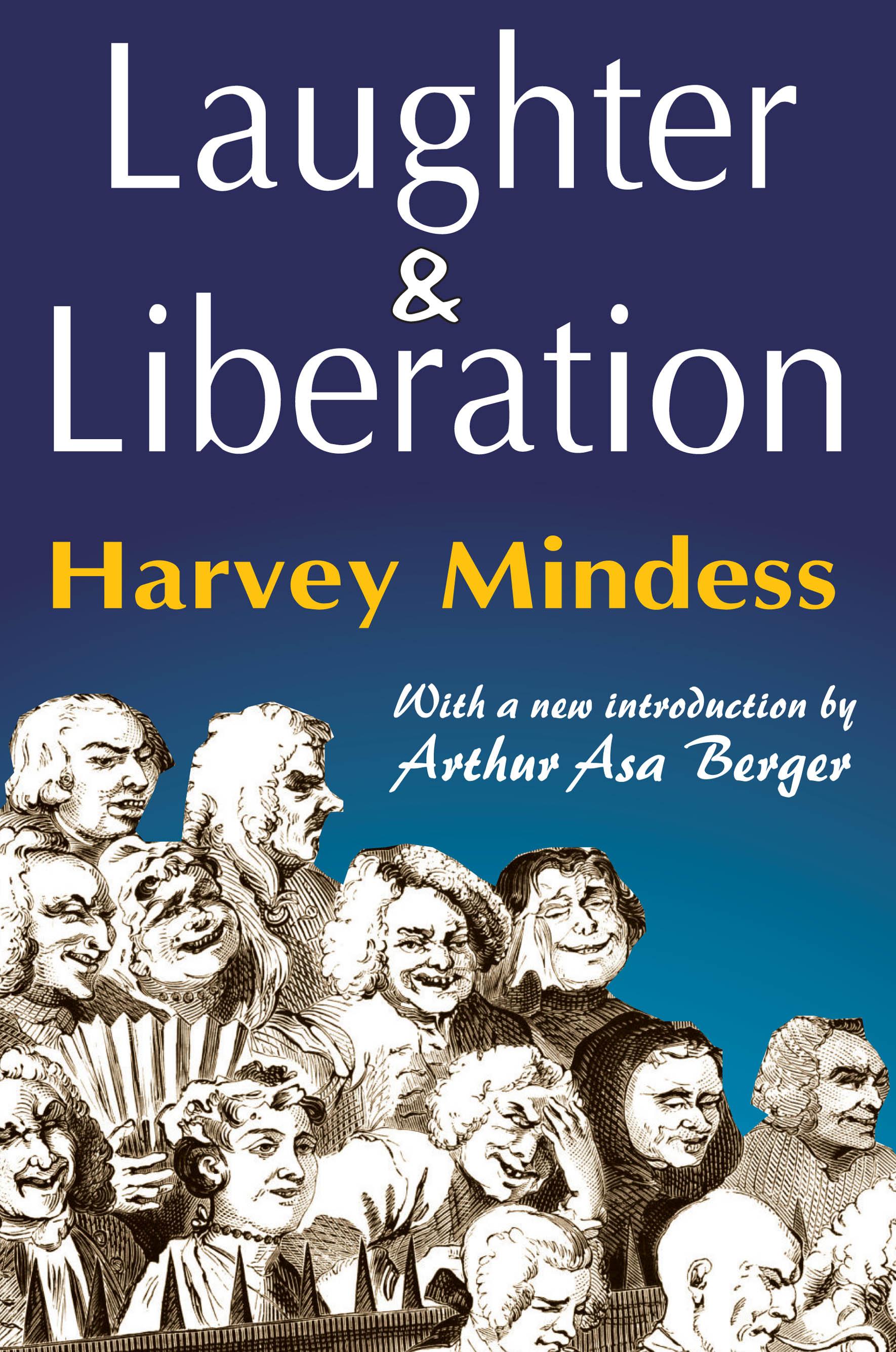
Laughter and Liberation is based on the idea that humor is an agent of psychological liberation. Since we are able to include every kind of wit and humor under the umbrella of this thesis, it amounts to an informal, comprehensive theory of the ludicrous. Briefly put, the theory proposes that the most fundamental function of humor is its power to release us from the inhibitions and restrictions under which we live our daily lives.The quest for laughter is as old as man himself Egyptian pharaohs and Roman emperors went to great lengths to amuse themselves, as did the monarchs of medieval Europe with court jesters. Our speech and literature abound with references to humor such as: "Laugh and the world laughs with you, cry and you cry alone," "He who laughs last laughs best," "All the world loves a clown," "Laugh if you are wise," and "A good laugh is sunshine in the house."In Laughter and Liberation, Harvey Mindess tells us how laughter and our sense of humor work. He gives us the background of several well-known humorists Steve Allen, Richard Armour, Sholom Aleichem and explains his theory of how and why they have become expert in making others laugh.
Płać wygodnie kartą, Klarną, Apple Pay lub Google Pay. Nie jesteś zadowolony? Zawsze masz 14-dniową gwarancję zwrotu pieniędzy. Więcej przeczytasz w naszych warunkach. Masz pytania? Napisz do nas na hello@memmo.org.
Memmo ułatwia naukę – gdziekolwiek jesteś na świecie. U nas znajdziesz podręczniki i sprytne narzędzia do nauki w jednym miejscu: streszczenia, quizy, podcasty i fiszki. A do tego Ted, Twój kumpel do nauki, który odpowie na wszystko, co Cię nurtuje. Ponad 50 000 studentów już tu się uczy – stworzone, byś uczył się szybciej i mniej stresował.
Może Ci się spodobać
Kup książkę0