
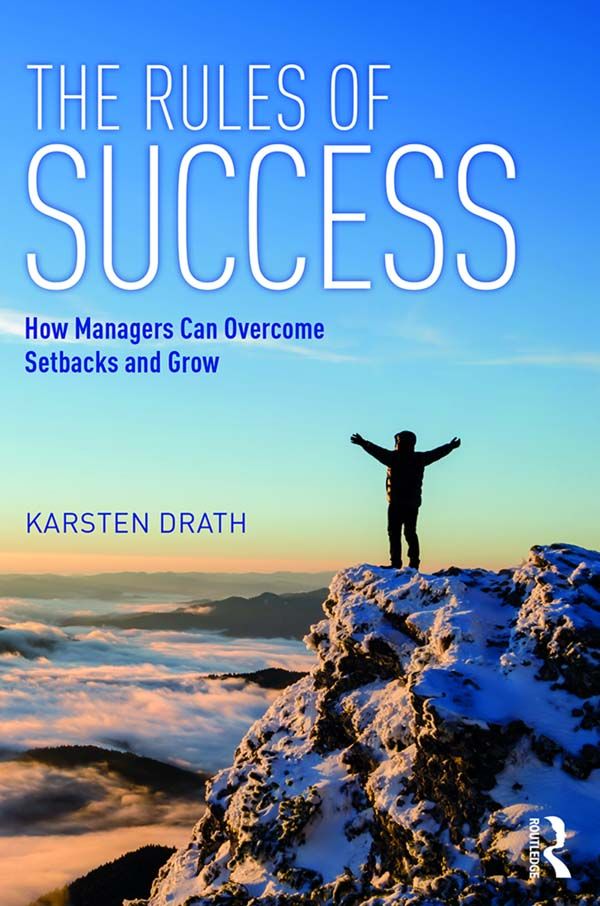
This book is about the rules of long-term professional success. The international study on which this book is based suggests that success is, above all, one thing: the quest for a combination of happiness and satisfaction, coupled with economic independence. However, the data also suggest that the definition of success varies significantly from person to person. And furthermore, it seems like success is not an objective quality, but at least partly it results from a process of comparison with a peer group - which means in turn that the selection of your peer group is crucial for your perceived level of success in life. The author argues that, in fact, certain success factors do exist and that they are fewer in number than one might think. But above all, if we look thoroughly at the lives of truly successful people, it soon becomes apparent that success primarily has to do with overcoming setbacks, failure and crisis. This ability to effectively process adversity is also known as resilience. Because of its criticality for success this concept is discussed in greater depth using the FiRE model (Factors improving Resilience Effectiveness) as a structure. This concept has been developed by the author through many years of research. It differs from existing models due to its holistic approach including analysing different disciplines of science such as biology, medicine, brain research, epigenetics, sociology, psycho-neuro-immunology etc.
Płać wygodnie kartą, Klarną, Apple Pay lub Google Pay. Nie jesteś zadowolony? Zawsze masz 14-dniową gwarancję zwrotu pieniędzy. Więcej przeczytasz w naszych warunkach. Masz pytania? Napisz do nas na hello@memmo.org.
Memmo ułatwia naukę – gdziekolwiek jesteś na świecie. U nas znajdziesz podręczniki i sprytne narzędzia do nauki w jednym miejscu: streszczenia, quizy, podcasty i fiszki. A do tego Ted, Twój kumpel do nauki, który odpowie na wszystko, co Cię nurtuje. Ponad 50 000 studentów już tu się uczy – stworzone, byś uczył się szybciej i mniej stresował.