
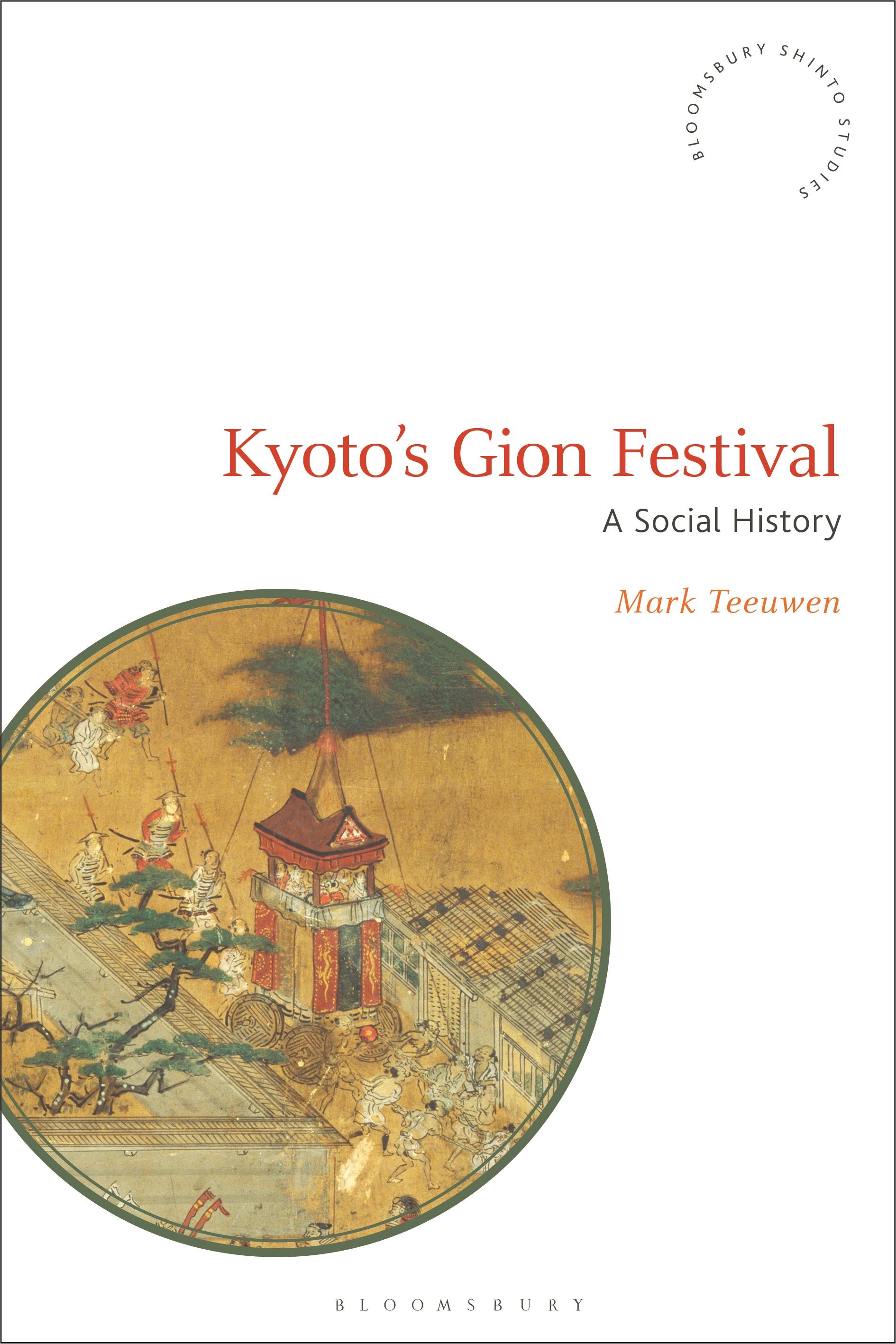
This book focuses on the long history of what is arguably the most prestigious and influential festival in Japan – Kyoto's Gion festival. It explores this history from the festival's origins in the late 10th century to its post-war revival, drawing on Japanese historical studies and archival materials as well as the author's participant observation fieldwork.
Exploring the social and political networks that have kept this festival alive for over a millennium, this book reveals how it has endured multiple reinventions. In particular, it identifies how at each historical juncture, different groups have found new purposes for the festival and adapted this costly enterprise to suit their own ends. The history of this festival not only sheds light on the development of Japanese festival culture as a whole, but also offers a window on Kyoto's history and provides a testing ground for recent festival theory.
Exploring the social and political networks that have kept this festival alive for over a millennium, this book reveals how it has endured multiple reinventions. In particular, it identifies how at each historical juncture, different groups have found new purposes for the festival and adapted this costly enterprise to suit their own ends. The history of this festival not only sheds light on the development of Japanese festival culture as a whole, but also offers a window on Kyoto's history and provides a testing ground for recent festival theory.
Płać wygodnie kartą, Klarną, Apple Pay lub Google Pay. Nie jesteś zadowolony? Zawsze masz 14-dniową gwarancję zwrotu pieniędzy. Więcej przeczytasz w naszych warunkach. Masz pytania? Napisz do nas na hello@memmo.org.
Memmo ułatwia naukę – gdziekolwiek jesteś na świecie. U nas znajdziesz podręczniki i sprytne narzędzia do nauki w jednym miejscu: streszczenia, quizy, podcasty i fiszki. A do tego Ted, Twój kumpel do nauki, który odpowie na wszystko, co Cię nurtuje. Ponad 50 000 studentów już tu się uczy – stworzone, byś uczył się szybciej i mniej stresował.