
Winner of the 2004 Gradiva Award from the National Association for the Advancement of Psychoanalysis.
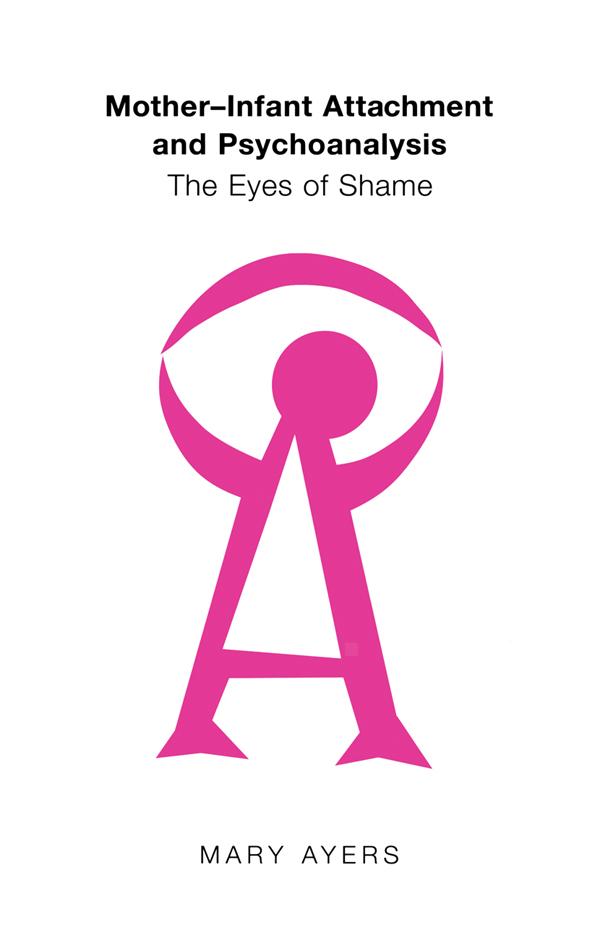
The issue of shame has become a central topic for many writers and therapists in recent years, but it is debatable how much real understanding of this powerful and pervasive emotion we have achieved. Mother-Infant Attachment and Psychoanalysis argues that shame can develop during the first six months of life through an unreflected look in the mother's eyes, and that this shame is then internalised by the infant and reverberates through its later life. The author further expands on this concept of the look through a powerful and extensive study of the concept of the Evil Eye, an enduring universal belief that eyes have the power to inflict injury. Finally, she presents ways of healing shame within a clinical setting, and provides a fascinating analysis of the role of eye-contact in the therapeutic encounter.
This book brings together a unique blend of theoretical interpretations of shame with clinical studies, and integrates major concepts from psychoanalysis, Jungian analysis, developmental psychology and anthropology. The result is a broad understanding of shame and a real understanding of why it may underlie a wide range of clinical disorders.
Płać wygodnie kartą, Klarną, Apple Pay lub Google Pay. Nie jesteś zadowolony? Zawsze masz 14-dniową gwarancję zwrotu pieniędzy. Więcej przeczytasz w naszych warunkach. Masz pytania? Napisz do nas na hello@memmo.org.
Memmo ułatwia naukę – gdziekolwiek jesteś na świecie. U nas znajdziesz podręczniki i sprytne narzędzia do nauki w jednym miejscu: streszczenia, quizy, podcasty i fiszki. A do tego Ted, Twój kumpel do nauki, który odpowie na wszystko, co Cię nurtuje. Ponad 50 000 studentów już tu się uczy – stworzone, byś uczył się szybciej i mniej stresował.