
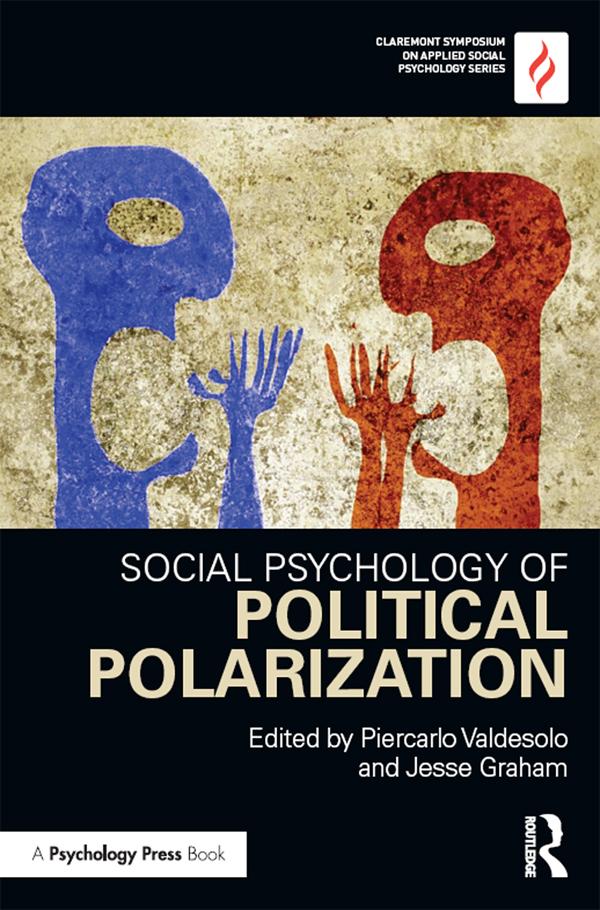
The 21st-century political landscape has been defined by deep ideological polarization, and as a result scientific inquiry into the psychological mechanisms underlying this divide has taken on increased relevance. The topic is by no means new to social psychology. Classic literature on intergroup conflict shows how pervasive and intractable these group conflicts can be, how readily they can emerge from even minimal group identities, and the hedonic rewards reaped from adopting an "us vs. them" perspective. Indeed, this literature paints a bleak picture for the efficacy of any interventions geared toward reducing intergroup discord. But advances in the psychology of moral judgments and behavior, in particular greater understanding of how moral concerns might inform the creation and stability of political identities, offer new ways forward in understanding partisan divides. This volume brings together leading researchers in moral and political psychology, offering new perspectives on the moral roots of political ideology, and exciting new opportunities for the development of more effective applied interventions.
Płać wygodnie kartą, Klarną, Apple Pay lub Google Pay. Nie jesteś zadowolony? Zawsze masz 14-dniową gwarancję zwrotu pieniędzy. Więcej przeczytasz w naszych warunkach. Masz pytania? Napisz do nas na hello@memmo.org.
Memmo ułatwia naukę – gdziekolwiek jesteś na świecie. U nas znajdziesz podręczniki i sprytne narzędzia do nauki w jednym miejscu: streszczenia, quizy, podcasty i fiszki. A do tego Ted, Twój kumpel do nauki, który odpowie na wszystko, co Cię nurtuje. Ponad 50 000 studentów już tu się uczy – stworzone, byś uczył się szybciej i mniej stresował.