
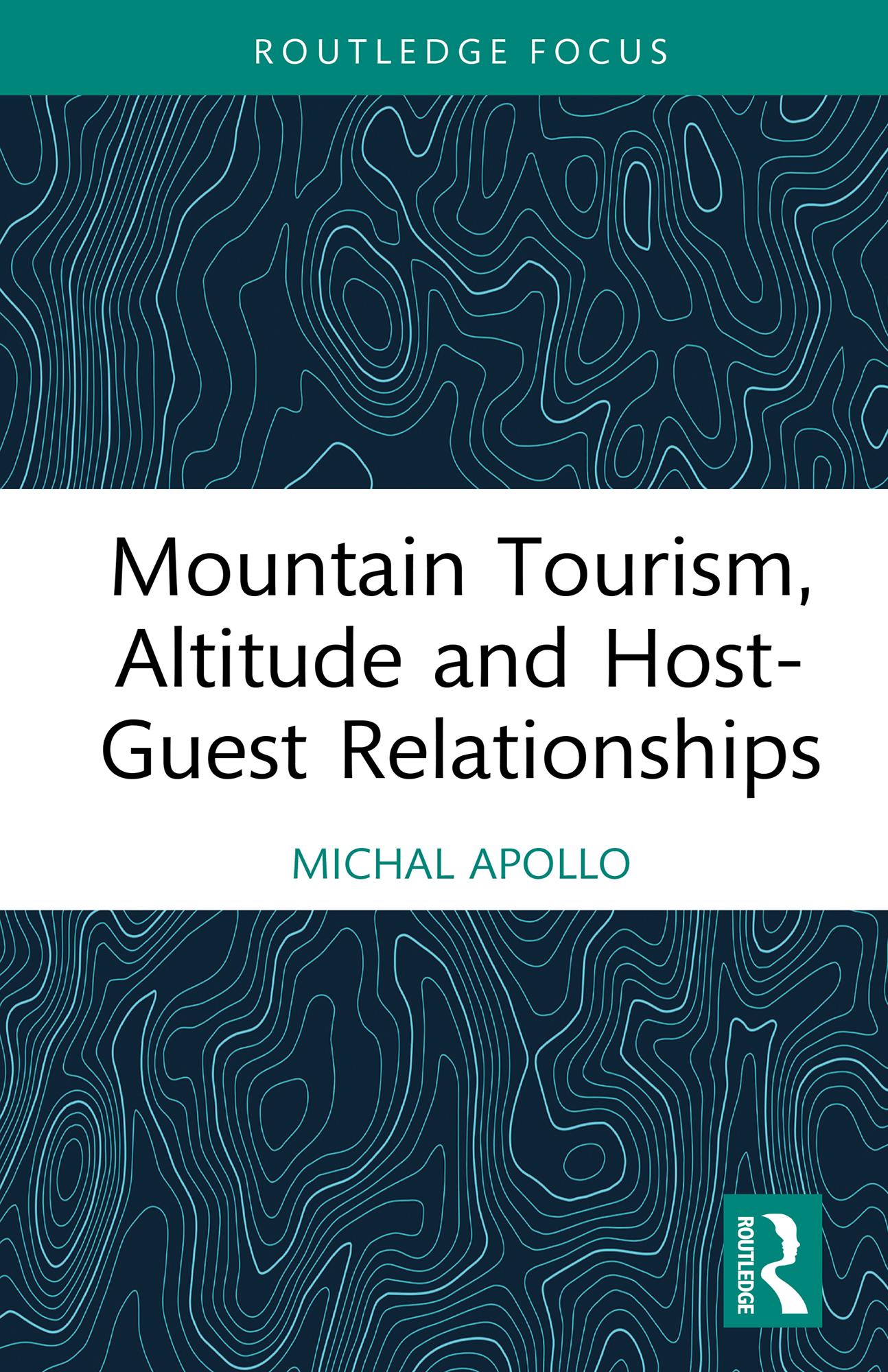
This insightful volume critically explores whether higher altitude of habitation affects host-guest exchanges in mountaineering tourism, in an effort to better understand and manage vulnerable destinations in a sustainable manner.
The book is based on empirical research conducted in the Mount Everest area in Nepal, part of the Sagarmatha National Park, which is a popular destination among tourists engaging in high-altitude mountaineering (subdivided into hiking, trekking and mountain climbing). By doing so it offers essential knowledge of mountaineering tourism whilst detailing recent developments linked to the diversification, commodification and commercialisation of mountaineering activity. This is discussed alongside the potentially positive impacts for marginalised high mountain communities.
This book is essential reading for students, academics, industry representatives and policymakers with an interest in adventure tourism and mountaineering.
Płać wygodnie kartą, Klarną, Apple Pay lub Google Pay. Nie jesteś zadowolony? Zawsze masz 14-dniową gwarancję zwrotu pieniędzy. Więcej przeczytasz w naszych warunkach. Masz pytania? Napisz do nas na hello@memmo.org.
Memmo ułatwia naukę – gdziekolwiek jesteś na świecie. U nas znajdziesz podręczniki i sprytne narzędzia do nauki w jednym miejscu: streszczenia, quizy, podcasty i fiszki. A do tego Ted, Twój kumpel do nauki, który odpowie na wszystko, co Cię nurtuje. Ponad 50 000 studentów już tu się uczy – stworzone, byś uczył się szybciej i mniej stresował.