
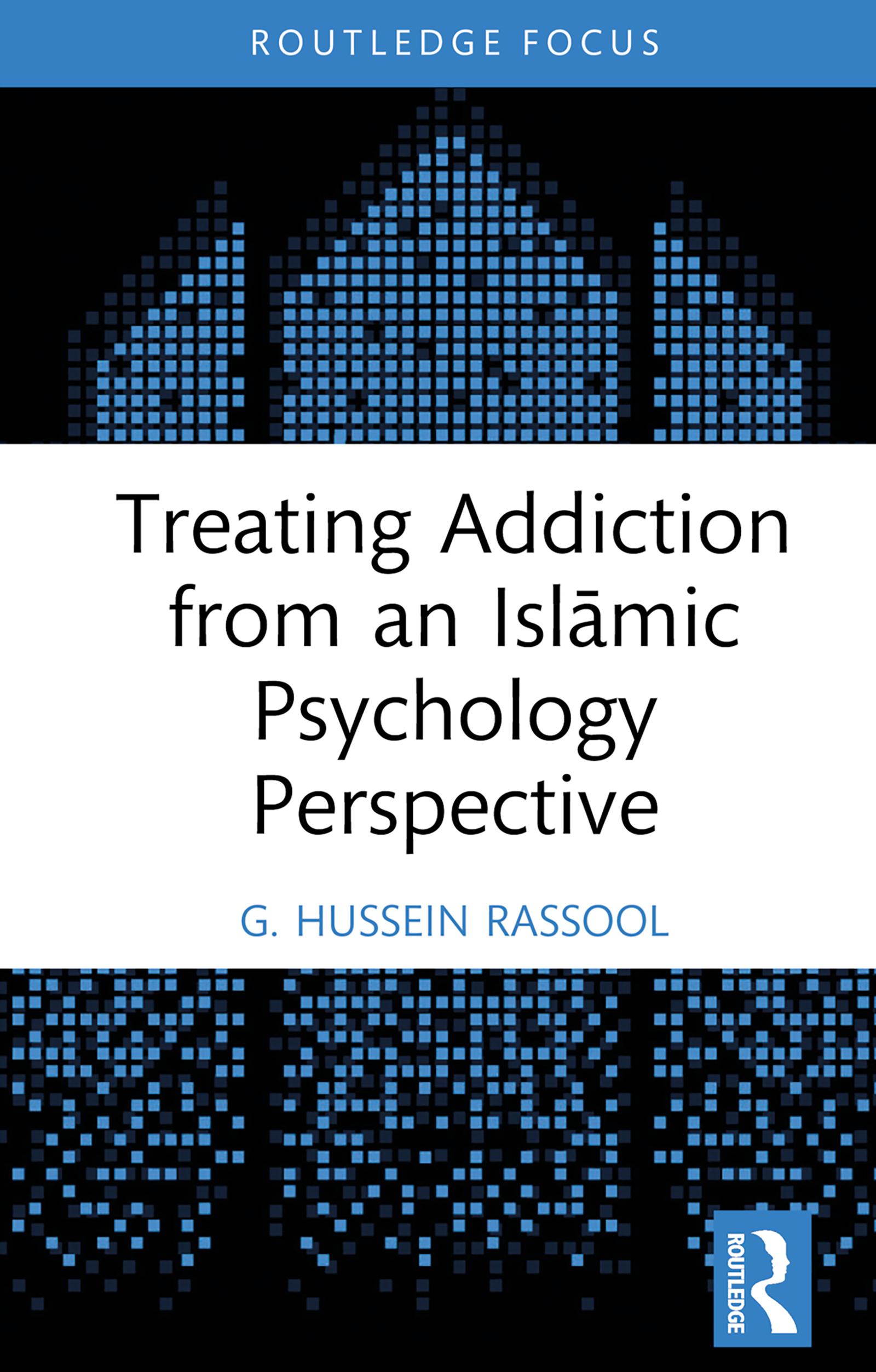
This book provides an understanding of behavioural and substance disorders from an Islāmic psychology perspective.
Despite the religious prohibitions against the use of most substances, addiction is a significant psychosocial and spiritual problem both in Muslim majority countries and among Muslim minorities. However, many Muslim with substance use disorder have been left to suffer in silence because addictive behaviours are considered taboo. Not only do feelings of guilt, shame, and a fear of being stigmatised and excluded from community prevent many from seeking therapeutic and spiritual interventions, there are also limited culturally sensitive service provisions offering help for Muslims with addictive behaviours. This book will synthesise the body of knowledge of the psychology of addiction from an Islāmic perspectives to foster awareness and understanding of addictive behaviours to break that stigma. It will also provide knowledge required to respond effectively to Muslim clients that psychotherapists and counsellors might encounter in their clinical practice, presenting a step-by-step application of Rassool’s Islāmic Psychotherapy Practice model in working with clients with addictive behaviours.
This book will be a valuable read for Islāmic psychologists, psychotherapists, and counsellors, addiction researchers and specialists, and students in these fields.
Płać wygodnie kartą, Klarną, Apple Pay lub Google Pay. Nie jesteś zadowolony? Zawsze masz 14-dniową gwarancję zwrotu pieniędzy. Więcej przeczytasz w naszych warunkach. Masz pytania? Napisz do nas na hello@memmo.org.
Memmo ułatwia naukę – gdziekolwiek jesteś na świecie. U nas znajdziesz podręczniki i sprytne narzędzia do nauki w jednym miejscu: streszczenia, quizy, podcasty i fiszki. A do tego Ted, Twój kumpel do nauki, który odpowie na wszystko, co Cię nurtuje. Ponad 50 000 studentów już tu się uczy – stworzone, byś uczył się szybciej i mniej stresował.