
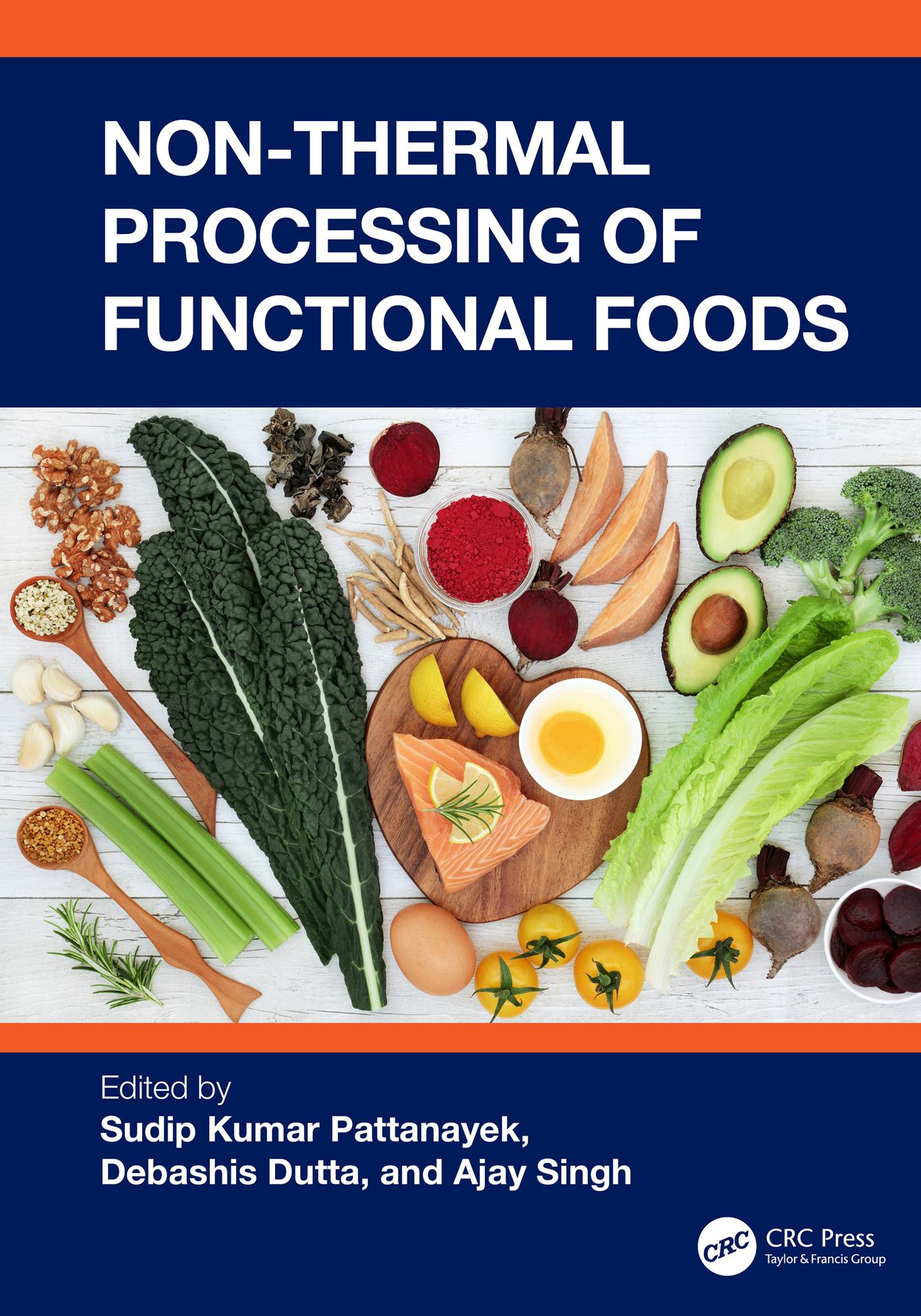
Functional foods, also known as nutraceuticals, began to gain prominence in the 1980s in Japan as “foods for specified health use” and became more widely recognized in the 1990s as research and interest in foods that could provide specific health benefits beyond essential nutrition grew worldwide. These foods are typically enriched with bioactive components or formulated to contain substances or live microorganisms with a possible health-enhancing or disease-preventing value and at a safe and sufficiently high concentration to achieve the intended benefit.
Usually, the added ingredients are classified as nutrients, dietary fiber, phytochemicals, other substances, or probiotics. The production, storage, and consumer consumption of these functional foods require special attention to preserve quality attributes. The production process of these foods can be classified as conventionally used thermal processing methods and non-thermal alternatives. In addition, these processes may be combined with biological approaches involving enzymatic treatment and fermentation. The various non-thermal processes, such as ultrasounds, high-hydrostatic pressure, vacuum impregnation, high-voltage electrical discharge, cold plasma, pulsed light, ozonation, etc., can be utilized for a product to sustain/preserve quality attributes of the ingredients, long shelf life, and sensory qualities.
This book compiles the latest non-thermal processing technologies to develop functional foods. The book discusses bioactivity, bioaccessibility, and bioavailability related to nutrition and functional food ingredients. It has 16 articles on different aspects of non-thermal processing technologies. Chapter 1 has discussed a general overview of emerging technologies, and various non-thermal processing techniques are discussed in Chapters 2–6, 8–9, and 12. Chapters 7, 11, 13, 15, and 16 discuss food safety and preservation. We have discussed the functional foods and bioactive compounds in Chapters 10 and 14.
A few of these reviews discuss the impact of developing non-thermal technologies on several food components (proteins, carbohydrates, lipids, minerals, vitamins, polyphenols, glucosinolates, fragrance compounds, and enzymes) while maintaining the structure and functional properties.
This book is an excellent source of information for professionals, postgraduate students, and researchers in food sciences and chemical engineering.
Płać wygodnie kartą, Klarną, Apple Pay lub Google Pay. Nie jesteś zadowolony? Zawsze masz 14-dniową gwarancję zwrotu pieniędzy. Więcej przeczytasz w naszych warunkach. Masz pytania? Napisz do nas na hello@memmo.org.
Memmo ułatwia naukę – gdziekolwiek jesteś na świecie. U nas znajdziesz podręczniki i sprytne narzędzia do nauki w jednym miejscu: streszczenia, quizy, podcasty i fiszki. A do tego Ted, Twój kumpel do nauki, który odpowie na wszystko, co Cię nurtuje. Ponad 50 000 studentów już tu się uczy – stworzone, byś uczył się szybciej i mniej stresował.