
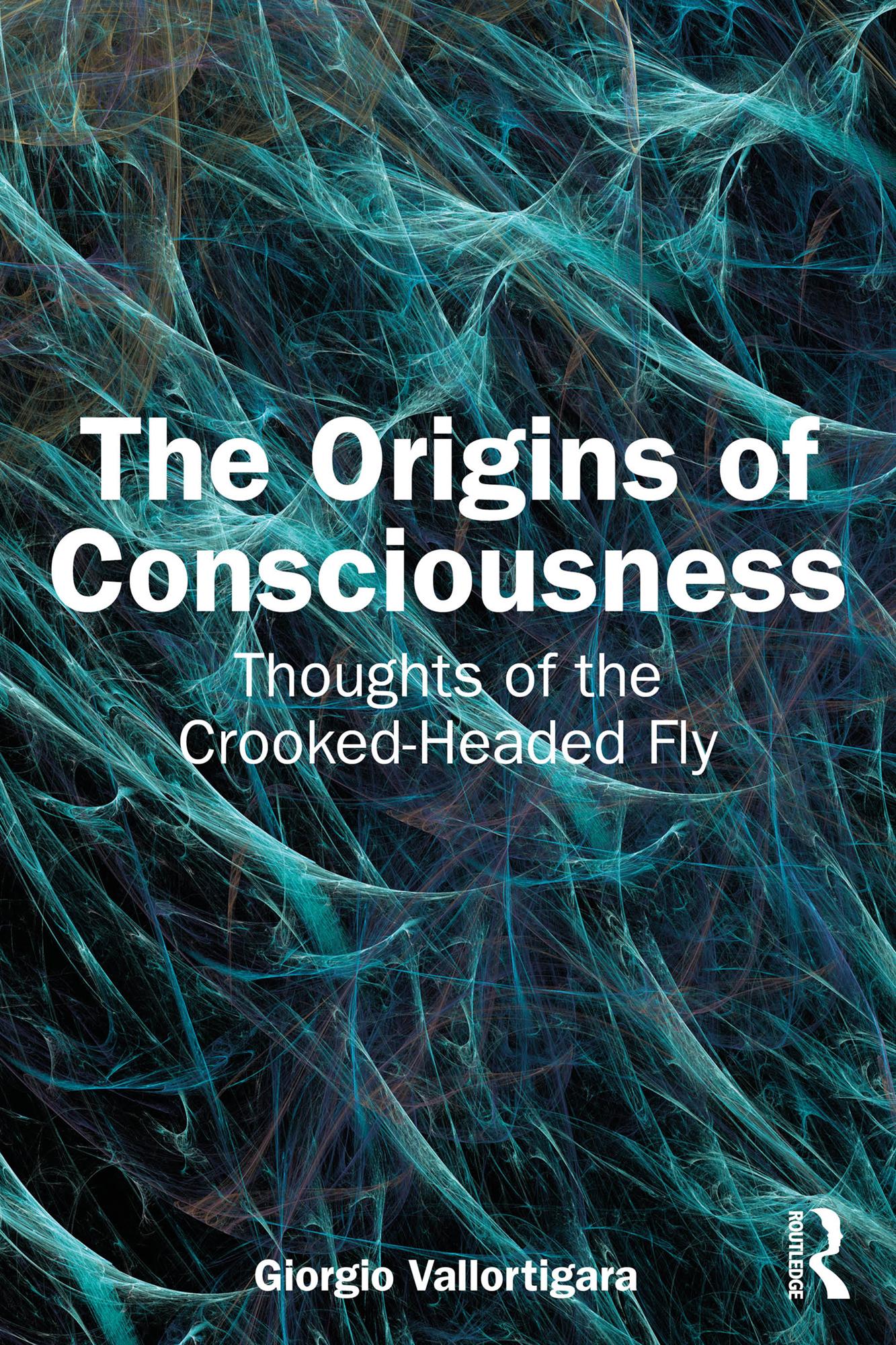
The Origins of Consciousness challenges the dominant view that consciousness is an emergent property of the complex human brain.
Based on his pioneering research on a variety of organisms, Vallortigara argues that the most basic forms of mental life do not require large brains, and that the neurological surplus observed in some animals such as humans is likely at the service of memory storage, not of the processes of thought or, even less, of consciousness. The book argues for a simple neural mechanism that can provide the crucial event that brings into effect the minimum condition for subjective experience. Implications of the hypothesis for the appearance of consciousness in different organisms are discussed, as well as links with a variety of fascinating human phenomena such as disorders of consciousness, tickling and visual illusions.
Challenging widely accepted theories of consciousness, the book is a must-read for students and researchers of human and animal consciousness.
Płać wygodnie kartą, Klarną, Apple Pay lub Google Pay. Nie jesteś zadowolony? Zawsze masz 14-dniową gwarancję zwrotu pieniędzy. Więcej przeczytasz w naszych warunkach. Masz pytania? Napisz do nas na hello@memmo.org.
Memmo ułatwia naukę – gdziekolwiek jesteś na świecie. U nas znajdziesz podręczniki i sprytne narzędzia do nauki w jednym miejscu: streszczenia, quizy, podcasty i fiszki. A do tego Ted, Twój kumpel do nauki, który odpowie na wszystko, co Cię nurtuje. Ponad 50 000 studentów już tu się uczy – stworzone, byś uczył się szybciej i mniej stresował.