
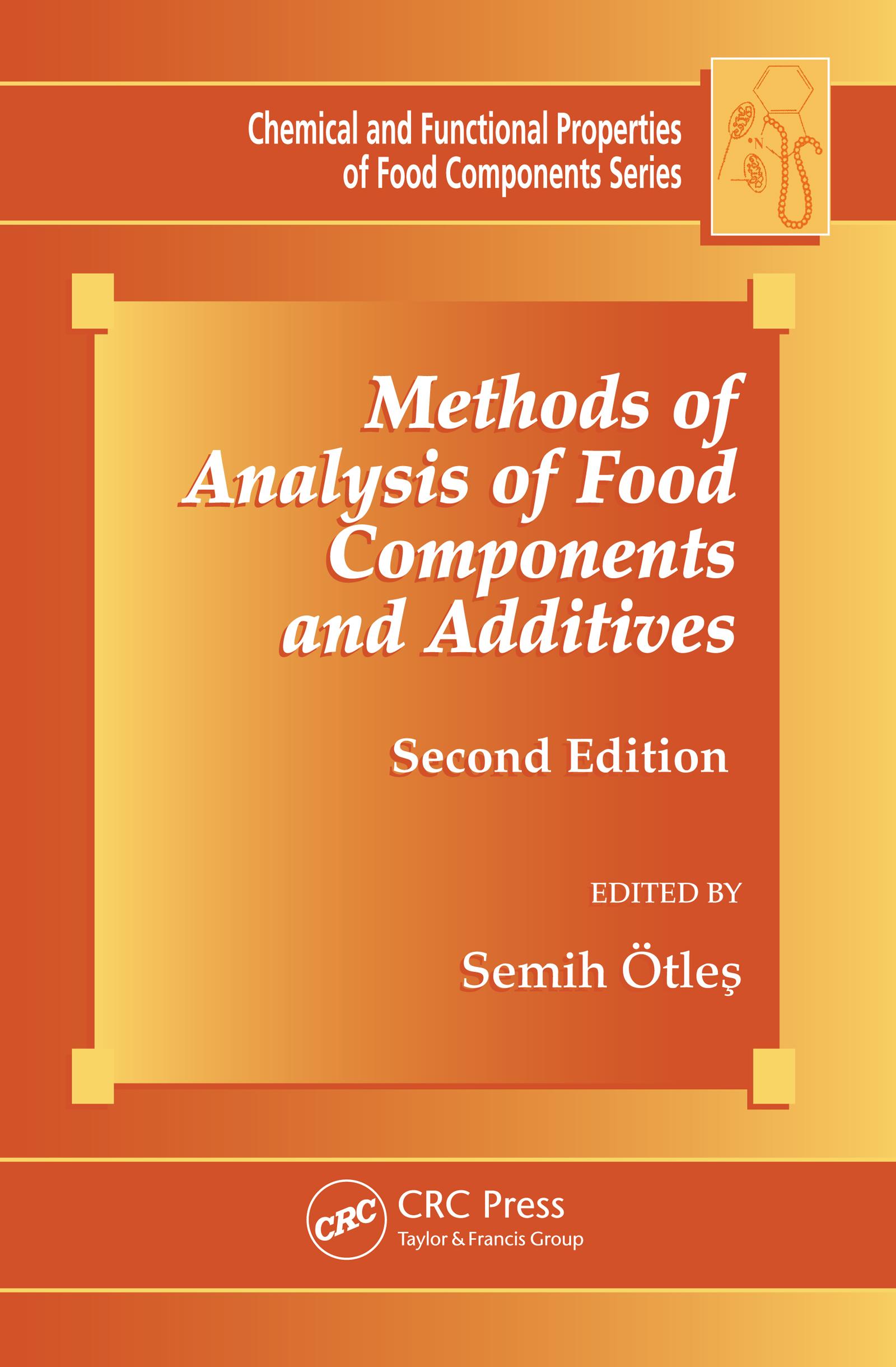
With diet, health, and food safety news making headlines on a regular basis, the ability to separate, identify, and analyze the nutrients, additives, and toxicological compounds found in food and food components is more important than ever. This requires proper training in the application of best methods, as well as efforts to improve existing methods to meet analytical needs. Advances in instrumentation and applied instrumental analysis methods have allowed scientists concerned with food and beverage quality, labeling, compliance, and safety to meet these ever-increasing analytical demands. This updated edition of Methods of Analysis of Food Components and Additives covers recent advances as well as established methods in a concise guide, presenting detailed explanations of techniques for analysis of food components and additives.
Written by leading scientists, many of whom personally developed or refined the techniques, this reference focuses primarily on methods of food analysis and novel analysis instruments. It provides readers with a survey of modern analytical instruments and methods for the analysis of food components, additives, and contaminants. Each chapter summarizes key findings on novel analysis methods, including the identification, speciation, and determination of components in raw materials and food products. The text describes the component or additive that can be analyzed, explains how it works, and then offers examples of applications.
This reference covers selection of techniques, statistical assessments, analysis of drinking water, and rapid microbiological techniques. It also describes the application of chemical, physical, microbiological, sensorial, and instrumental novel analysis to food components and additives, including proteins, peptides, lipids, vitamins, carotenoids, chlorophylls, and food allergens, as well as genetically modified components, pesticide residues, pollutants, chemical preservatives, and radioactive components in foods. The Second Edition contains three valuable new chapters on analytical quality assurance, the analysis of carbohydrates, and natural toxins in foods, along with updates in the remaining chapters, numerous examples, and many new figures.
Płać wygodnie kartą, Klarną, Apple Pay lub Google Pay. Nie jesteś zadowolony? Zawsze masz 14-dniową gwarancję zwrotu pieniędzy. Więcej przeczytasz w naszych warunkach. Masz pytania? Napisz do nas na hello@memmo.org.
Memmo ułatwia naukę – gdziekolwiek jesteś na świecie. U nas znajdziesz podręczniki i sprytne narzędzia do nauki w jednym miejscu: streszczenia, quizy, podcasty i fiszki. A do tego Ted, Twój kumpel do nauki, który odpowie na wszystko, co Cię nurtuje. Ponad 50 000 studentów już tu się uczy – stworzone, byś uczył się szybciej i mniej stresował.