
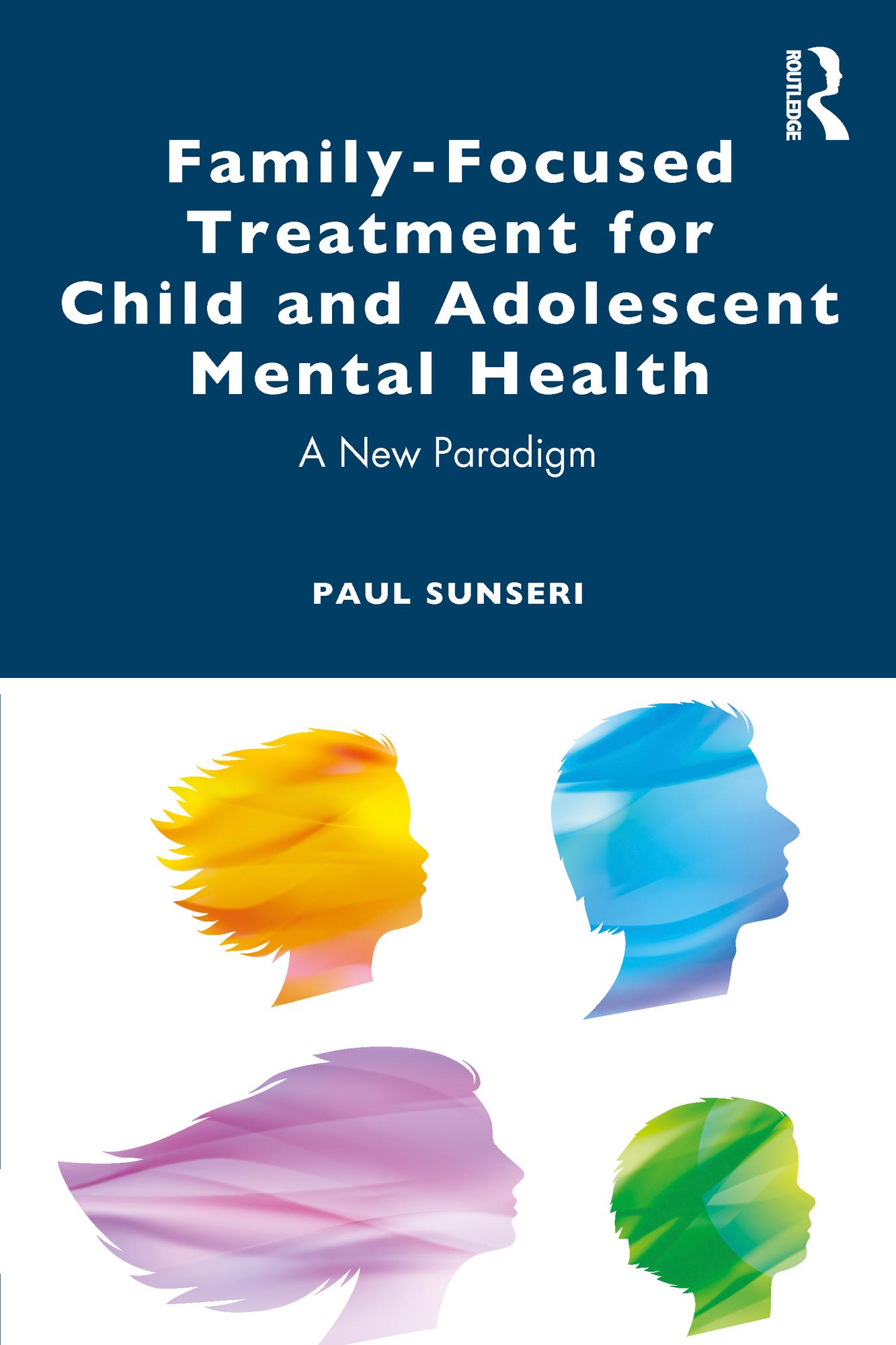
This book is designed as a treatment manual for using family-based treatments with children struggling with mental illness, supporting both family therapists and the families they are helping.
Based on over 40 years of research, it has been shown that involving the entire family in treatment is effective. However, family therapy is still not used as a first line of treatment. Paul Sunseri explains and explores why family-based approaches should be used with struggling young people and how this can be applied in practice. Chapters discuss the causes, contributors, and social determinants for the rise in childhood mental illness and provide empirical evidence and treatments for working with children and adolescents suffering from self-harm, suicidal ideation, anxiety, anger, and depression. Filled with case studies throughout, the book also touches on mitigating the effects of screen time in our increasingly technological lives and interventions to help reluctant children participate in therapy. This book will be invaluable reading for graduate-level students, clinicians in training, and fully licensed clinicians, such as psychologists, psychiatrists, marriage and family therapists, and clinical social workers.
The book is also a practical resource for parents and other caregivers; it pulls back the curtain on therapy and teaches parents exactly what to do to best love and support their child at a time when they need it the most.
Płać wygodnie kartą, Klarną, Apple Pay lub Google Pay. Nie jesteś zadowolony? Zawsze masz 14-dniową gwarancję zwrotu pieniędzy. Więcej przeczytasz w naszych warunkach. Masz pytania? Napisz do nas na hello@memmo.org.
Memmo ułatwia naukę – gdziekolwiek jesteś na świecie. U nas znajdziesz podręczniki i sprytne narzędzia do nauki w jednym miejscu: streszczenia, quizy, podcasty i fiszki. A do tego Ted, Twój kumpel do nauki, który odpowie na wszystko, co Cię nurtuje. Ponad 50 000 studentów już tu się uczy – stworzone, byś uczył się szybciej i mniej stresował.