
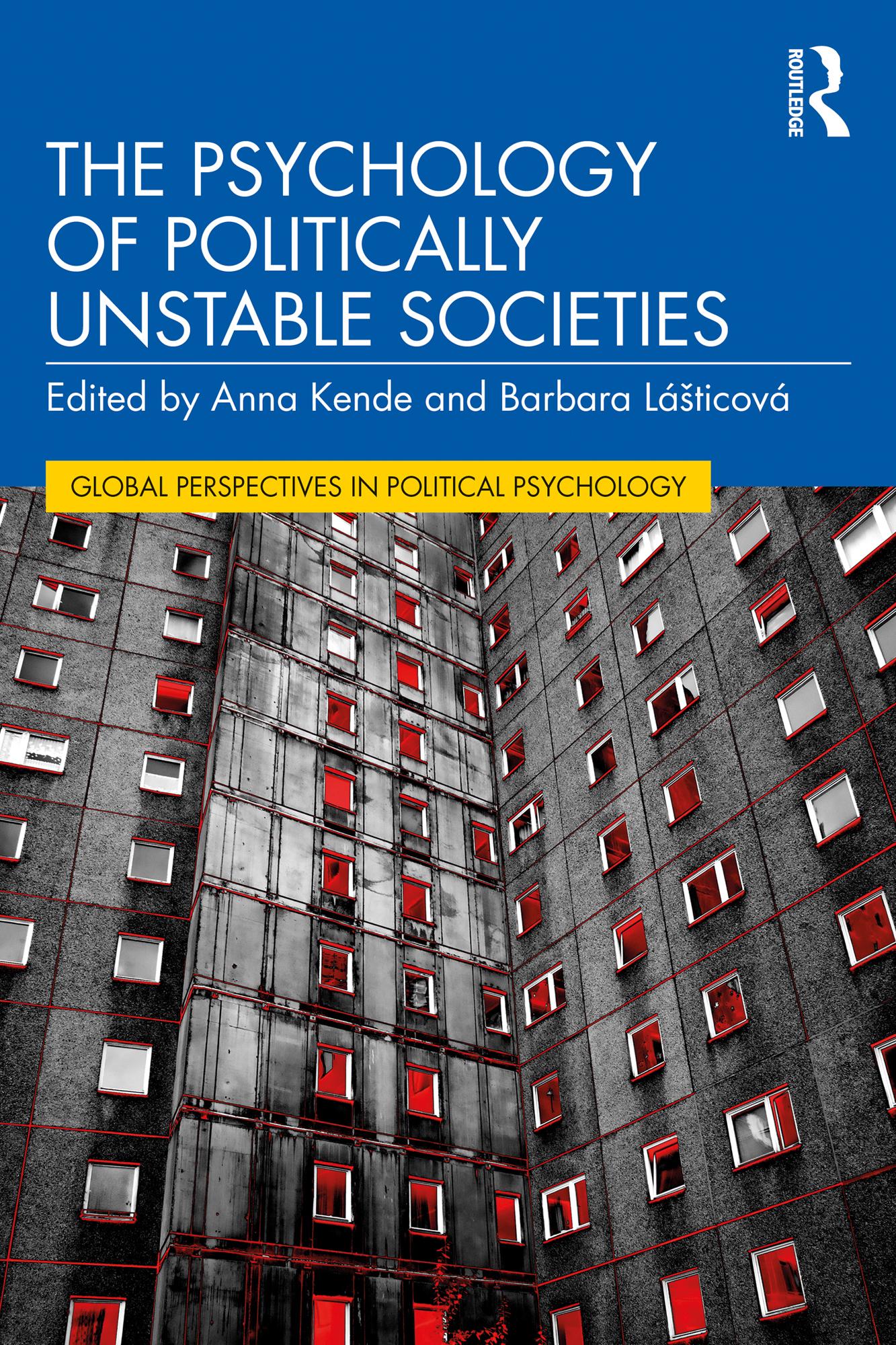
This volume presents the latest developments in the field of political psychology by exploring the psychological processes that underlie political instability and how these can be addressed with psychological interventions.
Written by a team of international leading researchers, the book critically re-evaluates the relevance of concepts primarily developed in WEIRD (Western, Educated, Industrialized, Rich and Democratic) contexts, for non-WEIRD societies. It focuses particularly on East-Central Europe and South Africa, showing how they enjoy some privileges of WEIRD countries but are also characterized by a troubled history and relative deprivation. Covering psychological concepts such as political trust, conspiracy thinking, authoritarianism, populism, autochthony, social identity and prejudice, the chapters illustrate that psychology has the tools to explain the recurring and shared problems of these societies.
This original book is ideal for scholars and students in social psychology, political science and social science. It will also be useful reading for policy makers, political analysts and anyone who wishes to understand their role in creating more stable and more just societies.
Płać wygodnie kartą, Klarną, Apple Pay lub Google Pay. Nie jesteś zadowolony? Zawsze masz 14-dniową gwarancję zwrotu pieniędzy. Więcej przeczytasz w naszych warunkach. Masz pytania? Napisz do nas na hello@memmo.org.
Memmo ułatwia naukę – gdziekolwiek jesteś na świecie. U nas znajdziesz podręczniki i sprytne narzędzia do nauki w jednym miejscu: streszczenia, quizy, podcasty i fiszki. A do tego Ted, Twój kumpel do nauki, który odpowie na wszystko, co Cię nurtuje. Ponad 50 000 studentów już tu się uczy – stworzone, byś uczył się szybciej i mniej stresował.