
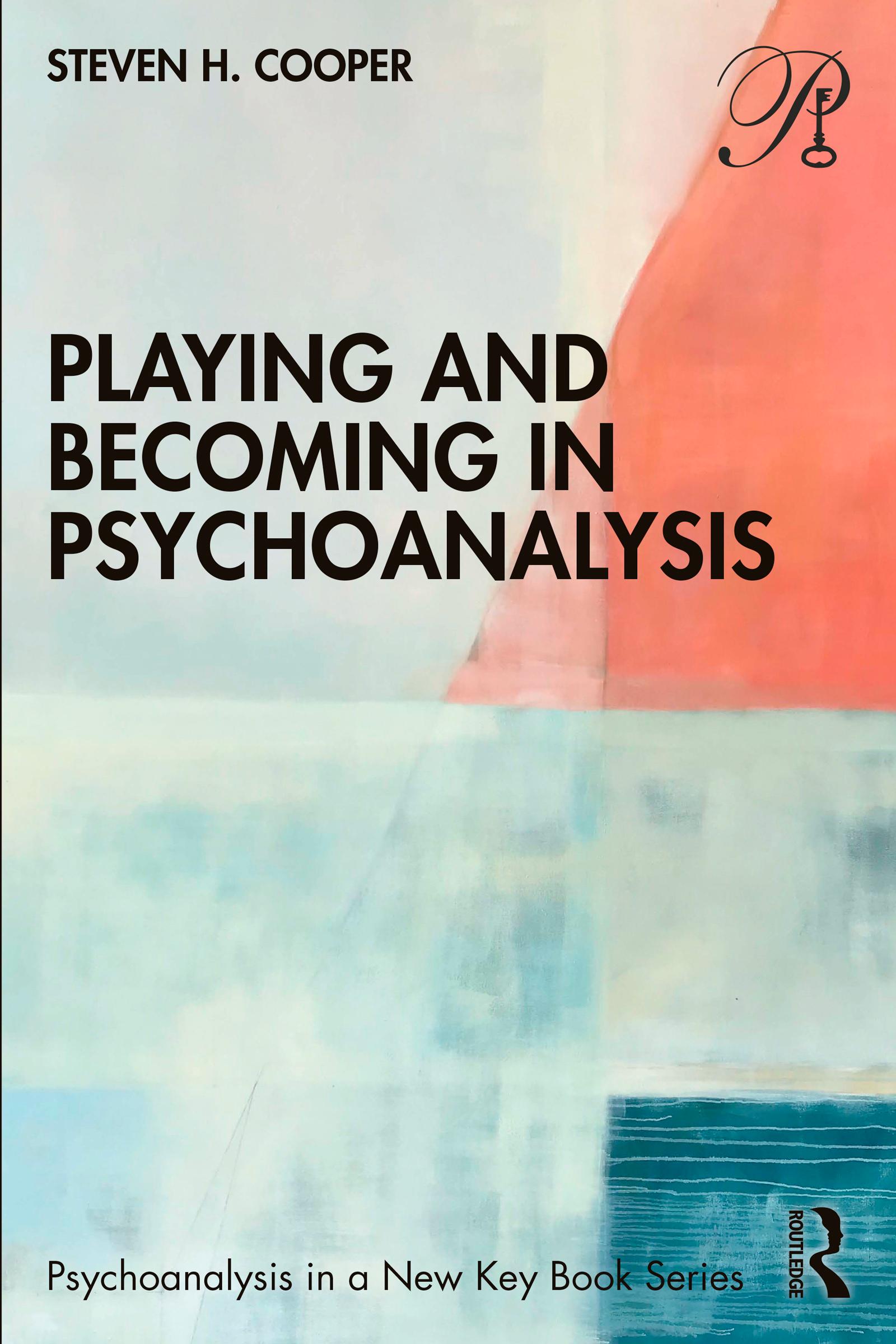
Building on Winnicott’s theory of play, this book defines the concept of play from the perspective of clinical practice, elaborating on its application to clinical problems.
Although Winnicott’s theory of play constitutes a radical understanding of the intersubjectivity of therapy, Cooper contends, there remains a need to explore the significance of play to the enactment of transference-countertransference. Among several ideas, this book considers how to help patients as they navigate debilitating internal object relations, supporting them to engage with "bad objects" in alternatively playful ways. In addition, throughout the book, Cooper develops an ethic of play that can support the analyst to find "ventilated spaces" of their own, whereby they can reflect on transference-countertransference. Rather than being hindered by the limits of the therapeutic setting, this book explores how possibilities for play can develop out of these very constraints, ultimately providing a fulsome exploration of the concept without eviscerating its magic.
With a broad theoretical base, and a wide definition of play, this book will appeal to psychoanalysts and psychoanalytic psychotherapists wanting to understand how play functions within and can transform their clinical practice.
Płać wygodnie kartą, Klarną, Apple Pay lub Google Pay. Nie jesteś zadowolony? Zawsze masz 14-dniową gwarancję zwrotu pieniędzy. Więcej przeczytasz w naszych warunkach. Masz pytania? Napisz do nas na hello@memmo.org.
Memmo ułatwia naukę – gdziekolwiek jesteś na świecie. U nas znajdziesz podręczniki i sprytne narzędzia do nauki w jednym miejscu: streszczenia, quizy, podcasty i fiszki. A do tego Ted, Twój kumpel do nauki, który odpowie na wszystko, co Cię nurtuje. Ponad 50 000 studentów już tu się uczy – stworzone, byś uczył się szybciej i mniej stresował.