
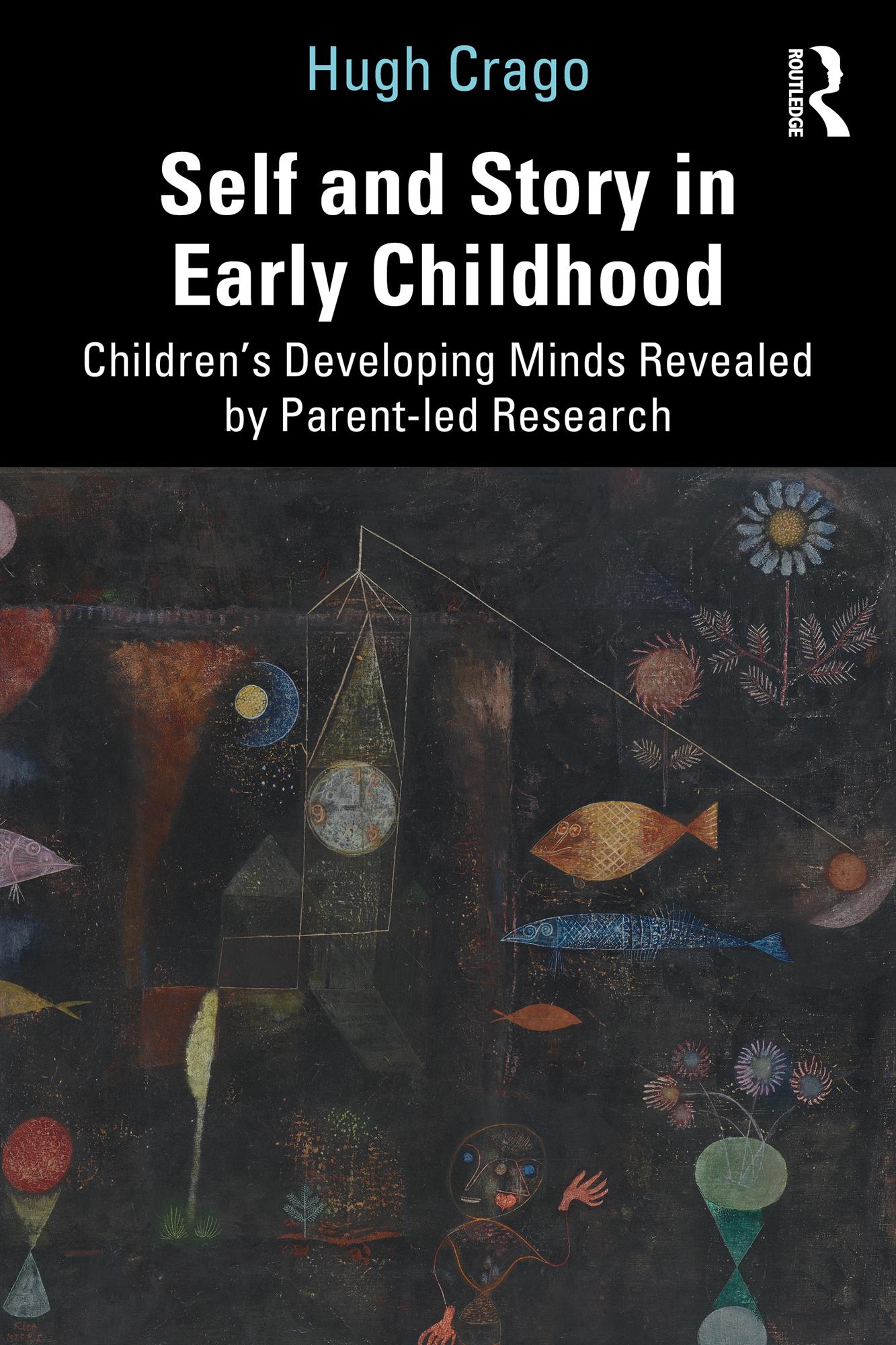
Our children grow up into a world of stories—in books, on screens—but what do they make of the stories we offer them? What do they think and feel as they listen to a parent read a picture-book? What if a story confuses or upsets them?
Over the past fifty years, several intelligent, committed mothers undertook the onerous task of recording exactly what their children said and did in response to the stories they shared. Some of their records extended over five years, or even longer. Their research, done without funding or academic supervision, offers us unparalleled insight into children’s minds long before they learn to speak—let alone learn to read.
In Self and Story in Early Childhood, Hugh Crago draws on his unusual combination of expertise in literary studies, developmental psychology and psychotherapy to re-examine the startling implications of this neglected body of evidence. He highlights how much children can achieve without formal teaching, but with the supportive presence of a trusted adult who will participate with them in the story experience.
This book will be of great interest to scholars of developmental psychology, early literacy and narratology, as well as to professionals working with preschoolers. Most of all, it will fascinate parents who themselves share stories with their child.
Płać wygodnie kartą, Klarną, Apple Pay lub Google Pay. Nie jesteś zadowolony? Zawsze masz 14-dniową gwarancję zwrotu pieniędzy. Więcej przeczytasz w naszych warunkach. Masz pytania? Napisz do nas na hello@memmo.org.
Memmo ułatwia naukę – gdziekolwiek jesteś na świecie. U nas znajdziesz podręczniki i sprytne narzędzia do nauki w jednym miejscu: streszczenia, quizy, podcasty i fiszki. A do tego Ted, Twój kumpel do nauki, który odpowie na wszystko, co Cię nurtuje. Ponad 50 000 studentów już tu się uczy – stworzone, byś uczył się szybciej i mniej stresował.