
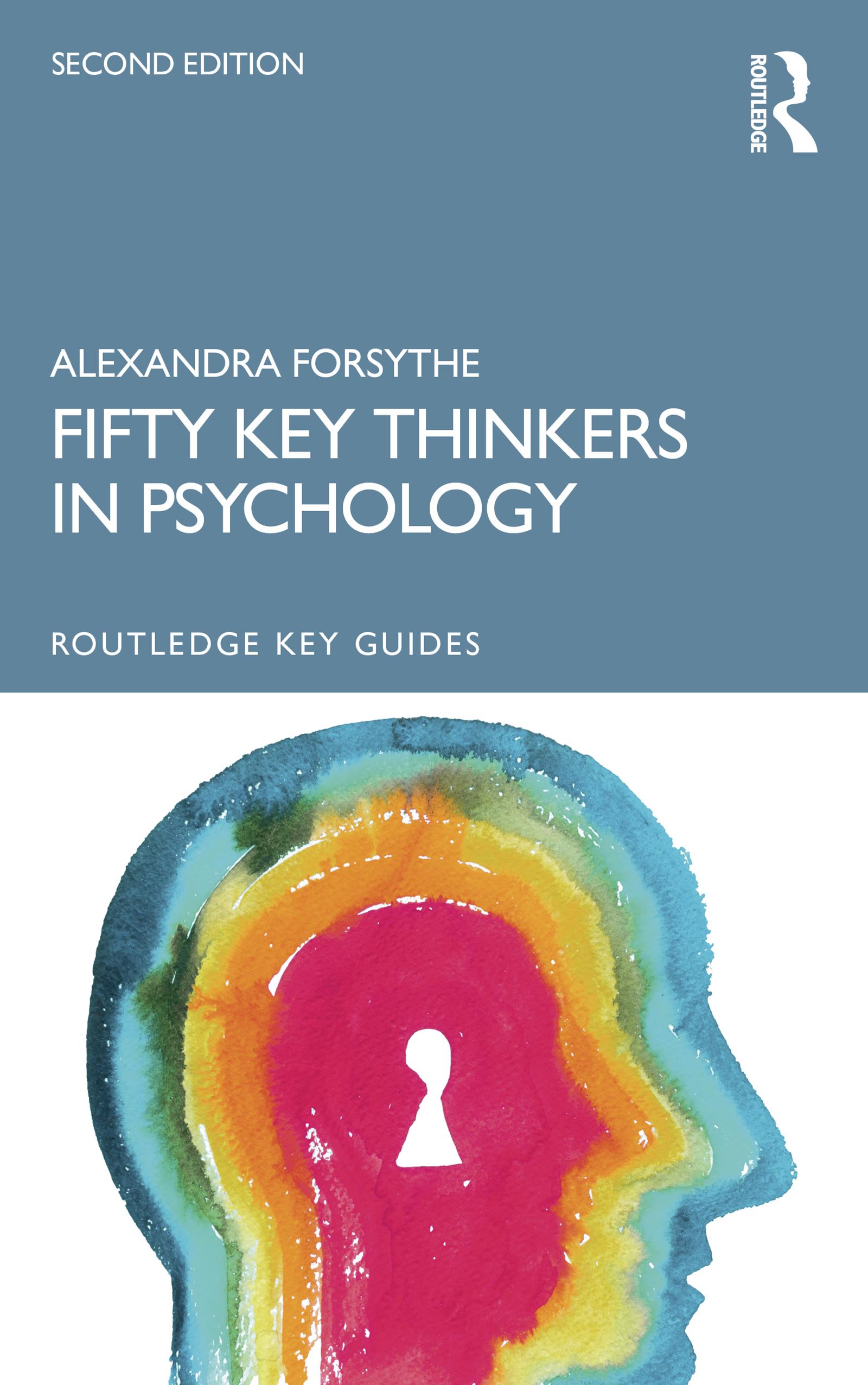
The new edition of Fifty Key Thinkers in Psychology introduces the life, thought, work and impact of some of the most influential figures who have shaped and developed modern psychology, considering a more diverse history of the discipline.
The revised text includes new biographies, histories, and overviews of the work from scientists and scholars such as Alfred Alder, Isabel Briggs Myers, Katherine Cook Briggs and Karen Horney, as well as major re-writes of the works of Freud, Binet and Jung, and some of the more controversial characters such as Charles Galton and Hans Eysenck. Exploring the often overlooked but significant contributions of black, Jewish, and Eastern scholars to the discipline, this new edition looks to address the historically imbalanced focus of particular key thinkers and begin unpicking the impact that race and gender had on the direction and advancement of the field. The book covers the black psychology movement from George Herman Candy to Mamie Phipps Clark, and Kenneth Bancroft Clark, the enormous contribution of Chinese psychologist Jing Qicheng, and some of the many great psychologists whose families were part of the waves of Jewish emigration to the United States escaping oppression, persecution and economic hardship, including Walter Mischel, Cary Cooper and Daniel Kahneman.
This fascinating and informative guide is an invaluable resource for those studying, working in, or who simply want to find out more about psychology, suitable for both students and the lay reader alike.
Płać wygodnie kartą, Klarną, Apple Pay lub Google Pay. Nie jesteś zadowolony? Zawsze masz 14-dniową gwarancję zwrotu pieniędzy. Więcej przeczytasz w naszych warunkach. Masz pytania? Napisz do nas na hello@memmo.org.
Memmo ułatwia naukę – gdziekolwiek jesteś na świecie. U nas znajdziesz podręczniki i sprytne narzędzia do nauki w jednym miejscu: streszczenia, quizy, podcasty i fiszki. A do tego Ted, Twój kumpel do nauki, który odpowie na wszystko, co Cię nurtuje. Ponad 50 000 studentów już tu się uczy – stworzone, byś uczył się szybciej i mniej stresował.