
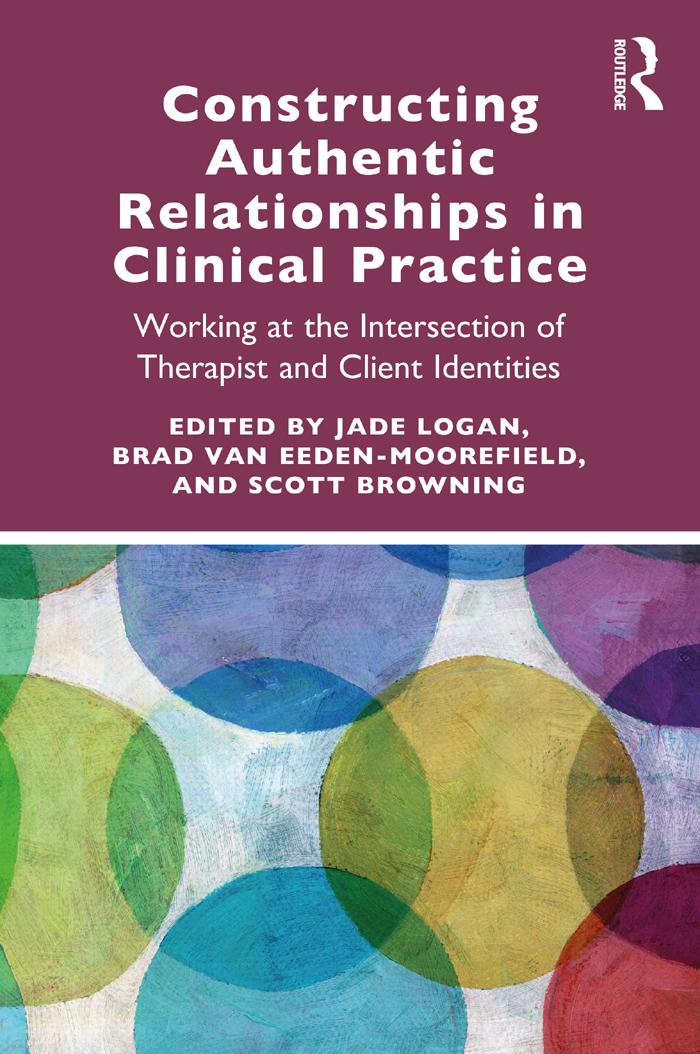
This essential text explores the intersectionality of the self in therapeutic practice, bringing together theoretical foundations and practical implications to provide clear guidance for students and practitioners.
Bringing together a collection of insightful and experienced clinicians, this book examines the ways in which intersectionality influences all phases of clinical and supervisory work, from outreach, assessment, and through to termination. Integrating research with clinical practice, chapters not only examine the theoretical, intersectional location of the self for the therapist, client, or supervisee, but they also consider how this social identity effects the therapeutic process and, crucially, work with clients. The book includes first-hand accounts, case studies, and reflections to demonstrate how interactions are influenced by gender, race, and sexuality, offering practical ideas about how to work intentionally and ethically with clients.
Engaging, informative, and practical, this book is essential reading for students, supervisors, family, marriage, and couple therapists, and clinical social workers who want to work confidently with a range of clients, as well as clinical professionals interested in the role of intersectionality in their work.
Płać wygodnie kartą, Klarną, Apple Pay lub Google Pay. Nie jesteś zadowolony? Zawsze masz 14-dniową gwarancję zwrotu pieniędzy. Więcej przeczytasz w naszych warunkach. Masz pytania? Napisz do nas na hello@memmo.org.
Memmo ułatwia naukę – gdziekolwiek jesteś na świecie. U nas znajdziesz podręczniki i sprytne narzędzia do nauki w jednym miejscu: streszczenia, quizy, podcasty i fiszki. A do tego Ted, Twój kumpel do nauki, który odpowie na wszystko, co Cię nurtuje. Ponad 50 000 studentów już tu się uczy – stworzone, byś uczył się szybciej i mniej stresował.