
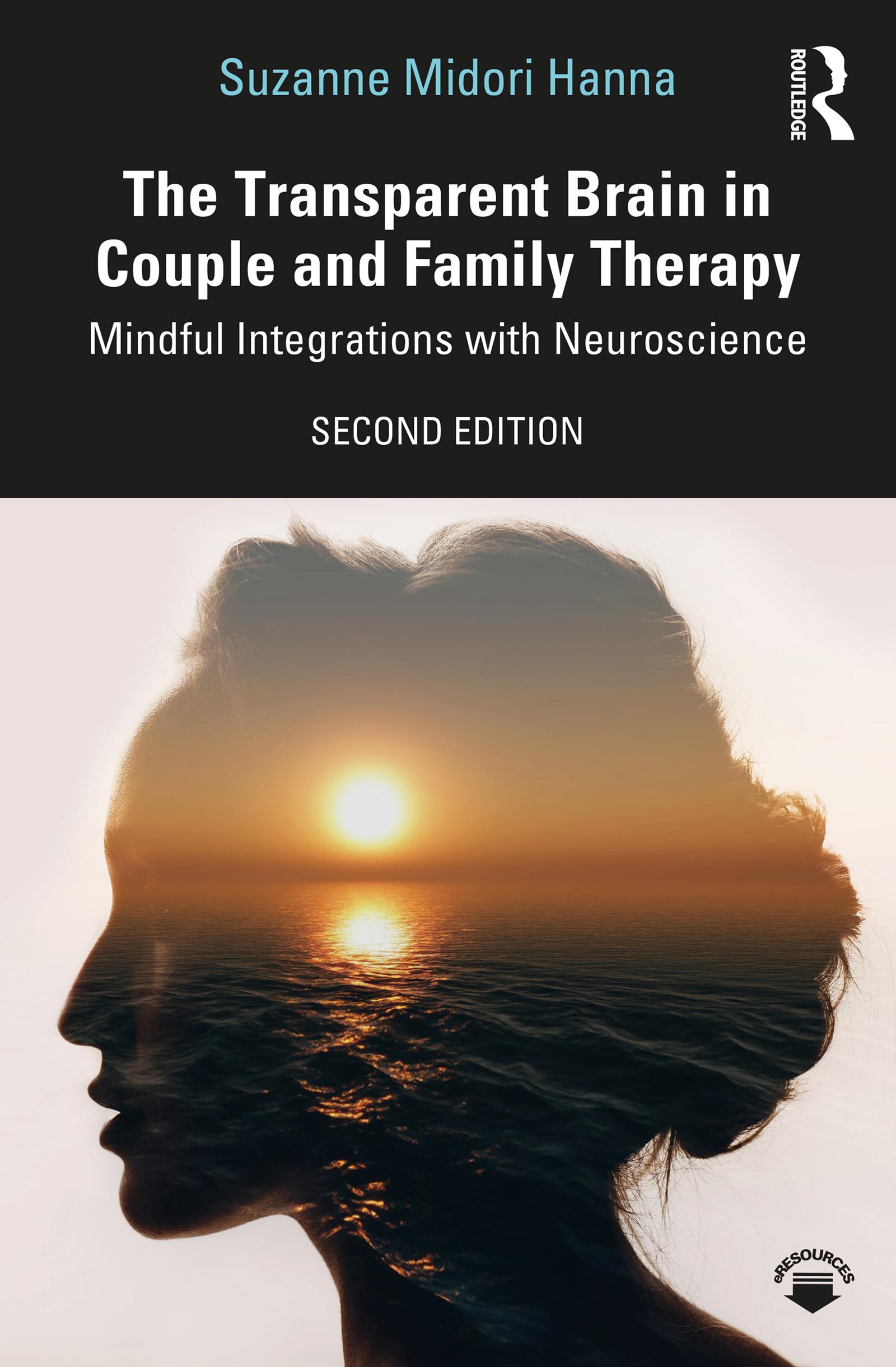
Bringing together clinical expertise with the latest findings from social, affective, and cognitive neuroscience, this accessible guide outlines how basic concepts of neuroscience and family therapy can be highly relevant to all mental health treatment.
This expanded second edition includes content on a range of areas including effects of racism, poverty, violence, and childhood abuse on the brain; substance abuse; and advances in the treatment of depression, bipolar disorder, and anxiety. Grounded in five key tenets of neuroscience, the approaches highlighted in this book focus on the safety of secure bonds for children, adolescents, couples, and families, as well as how an understanding of neuroscience can be utilized by professionals during trauma therapy. The stages of brain development provide a map for practitioners that illustrates dozens of practical, daily interventions. Chapters discuss neuroscience in light of a range of contemporary dilemmas for client engagement, accompanied throughout by fresh case examples, worksheets, clinical guidelines, and step-by-step interventions.
Written in a jargon-free style, The Transparent Brain in Couple and Family Therapy, second edition is an essential resource for mental health professionals using neuroscientific principles to bring relief to clients from diverse backgrounds.
Płać wygodnie kartą, Klarną, Apple Pay lub Google Pay. Nie jesteś zadowolony? Zawsze masz 14-dniową gwarancję zwrotu pieniędzy. Więcej przeczytasz w naszych warunkach. Masz pytania? Napisz do nas na hello@memmo.org.
Memmo ułatwia naukę – gdziekolwiek jesteś na świecie. U nas znajdziesz podręczniki i sprytne narzędzia do nauki w jednym miejscu: streszczenia, quizy, podcasty i fiszki. A do tego Ted, Twój kumpel do nauki, który odpowie na wszystko, co Cię nurtuje. Ponad 50 000 studentów już tu się uczy – stworzone, byś uczył się szybciej i mniej stresował.