
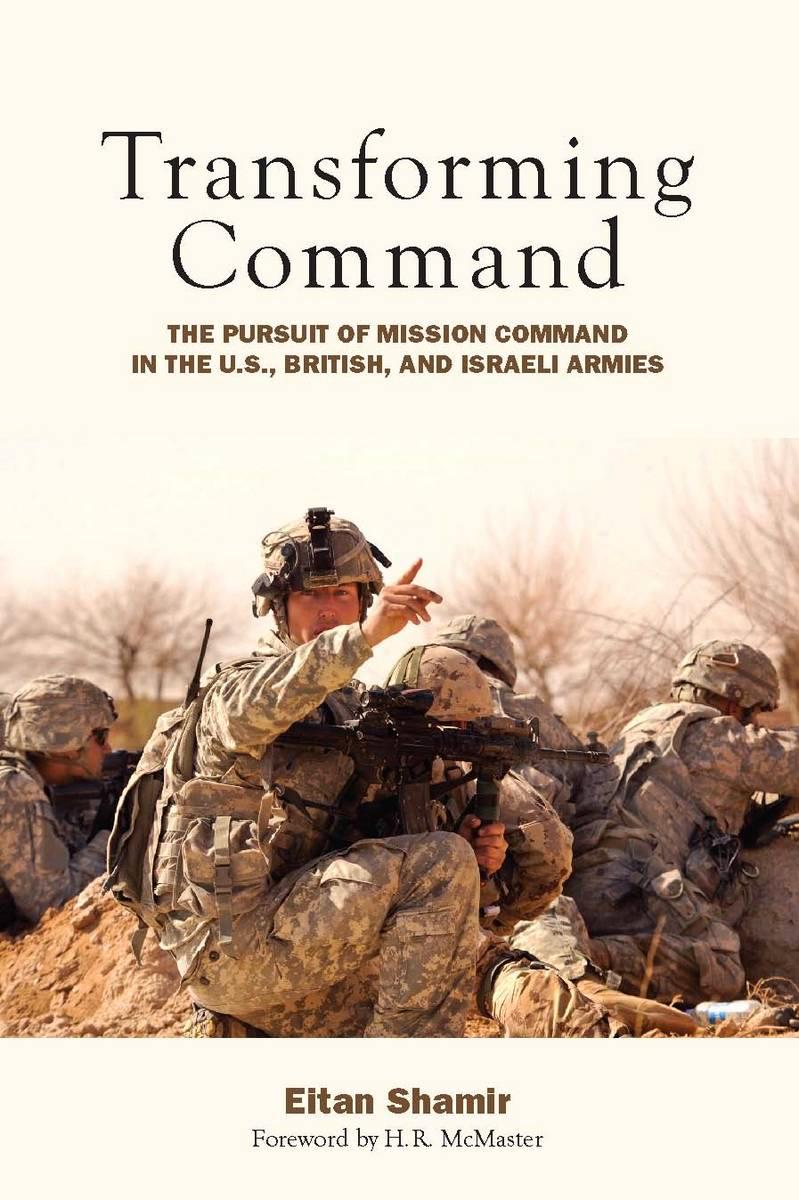
On today's complex, fragmented, fast-moving battlefield, where combatants adapt constantly to exploit one-another's weaknesses, there is a demonstrable requirement for military commanders to devolve a high level of autonomy of decision-making and action to leaders on the ground. An effective model for doing this has existed for some time in the form of mission command and has been utilized by the U.S., Israeli, and British Armies—but with mixed success.
This book examines in depth the experiences of the armed forces of each of these countries in implementing mission command, and reveals the key factors that have determined the success or failure of the implementation—factors such as the Revolution in Military Affairs (RMA), the spread of low-intensity conflicts and operations other than war, and differences in how military cultures interpret, articulate, and exercise the command function. It has significant implications for both the development of military doctrine and the training and education of tomorrow's military leaders.
Płać wygodnie kartą, Klarną, Apple Pay lub Google Pay. Nie jesteś zadowolony? Zawsze masz 14-dniową gwarancję zwrotu pieniędzy. Więcej przeczytasz w naszych warunkach. Masz pytania? Napisz do nas na hello@memmo.org.
Memmo ułatwia naukę – gdziekolwiek jesteś na świecie. U nas znajdziesz podręczniki i sprytne narzędzia do nauki w jednym miejscu: streszczenia, quizy, podcasty i fiszki. A do tego Ted, Twój kumpel do nauki, który odpowie na wszystko, co Cię nurtuje. Ponad 50 000 studentów już tu się uczy – stworzone, byś uczył się szybciej i mniej stresował.