
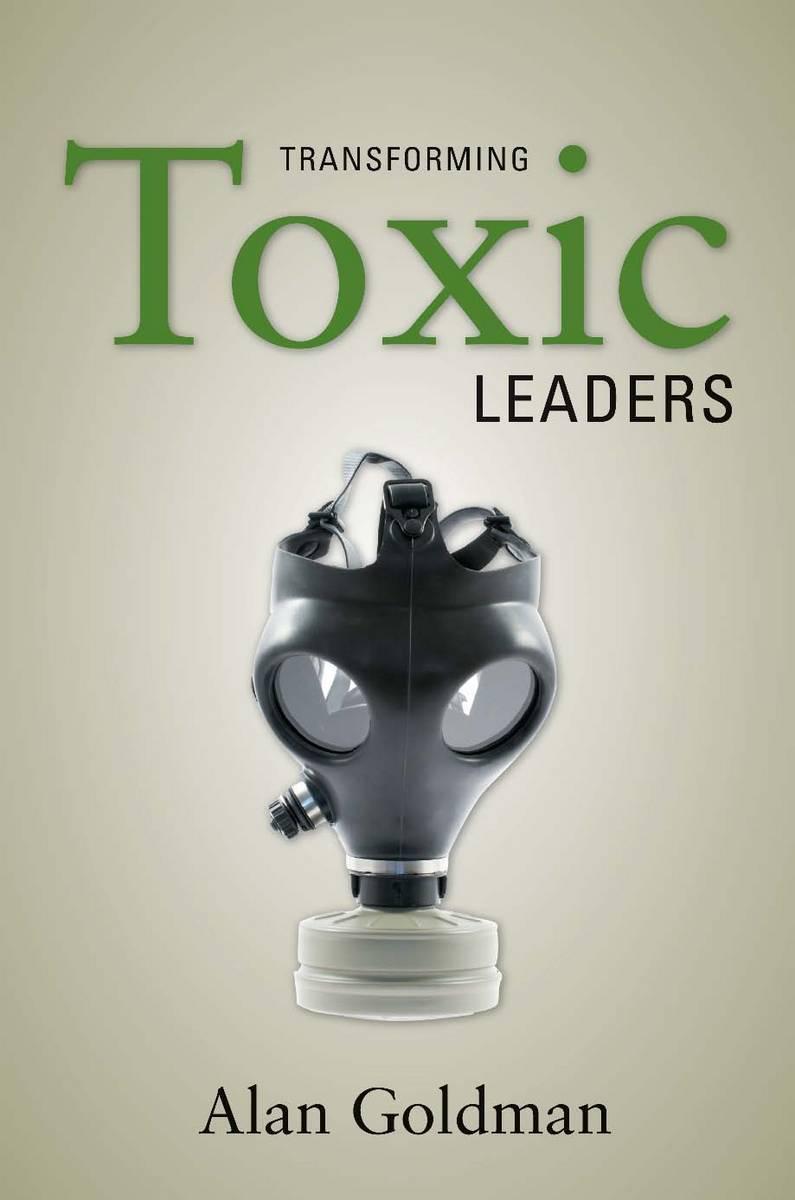
Unlike other books written on "toxic leaders," this book takes issue with the predominant view that "toxic leaders are bad" and destructive to their companies. Rather, the author argues that even highly productive leaders have some toxic qualities central to their success story. The book redirects the conversation about toxicity in a more productive direction, as toxic leaders are not just viewed as villains and liabilities, but are also considered as potential assets, innovators, and rebels.
Working on the premise that "toxicity is a fact of company life," the book provides organizations with a model and blueprint on the advantages to be gained from skillful anticipation, control, and handling of troubled and difficult leaders. In contrast to dysfunctional organizations that ignore toxicity or dwell on the perceived destructive impact of toxic leaders, successful companies come up with resourceful, innovative strategies for turning seeming deficits into opportunities.
Płać wygodnie kartą, Klarną, Apple Pay lub Google Pay. Nie jesteś zadowolony? Zawsze masz 14-dniową gwarancję zwrotu pieniędzy. Więcej przeczytasz w naszych warunkach. Masz pytania? Napisz do nas na hello@memmo.org.
Memmo ułatwia naukę – gdziekolwiek jesteś na świecie. U nas znajdziesz podręczniki i sprytne narzędzia do nauki w jednym miejscu: streszczenia, quizy, podcasty i fiszki. A do tego Ted, Twój kumpel do nauki, który odpowie na wszystko, co Cię nurtuje. Ponad 50 000 studentów już tu się uczy – stworzone, byś uczył się szybciej i mniej stresował.