
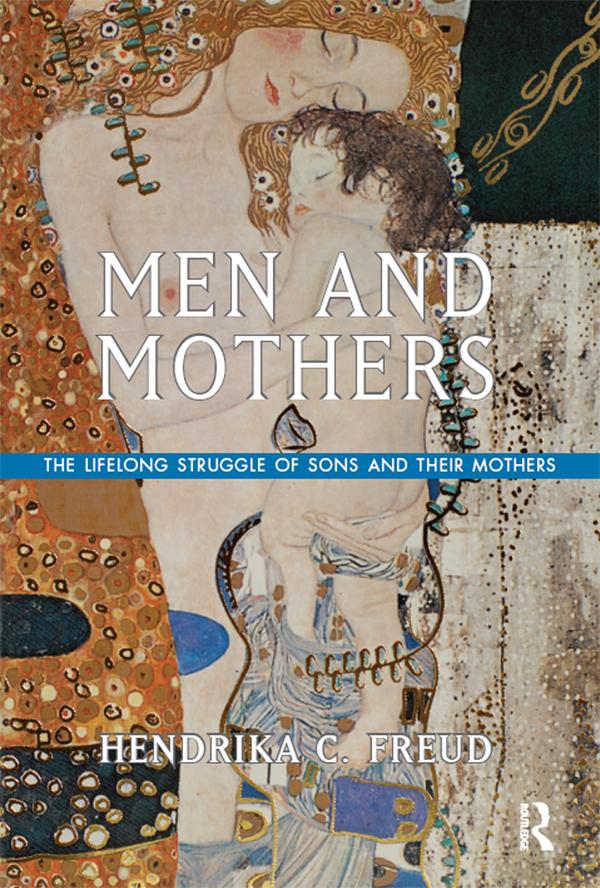
Not all men vie with their fathers for the love of their mothers. In some families the mother becomes the central figure for her son - the father is excluded (or excludes himself) and does not come between mother and son. The main thesis of this book - using clinical vignettes and quotes from the work of Marcel Proust to illustrate the author's points - is that in these cases fantasies of matricide replace patricide. Men develop their male gender identity by being permitted to separate from their mother early on, but when a man does not resolve his infantile tie to his mother he risks remaining in a passive and/or dependent position towards her. Over-identification with the mother might ensue, hampering masculine development. Mothers who seek emotional support by binding their sons too closely can become seductive towards them. The child is inclined to try to satisfy the emotional needs of his mother, and he fears rejection if he asserts his independence instead of complying.
Płać wygodnie kartą, Klarną, Apple Pay lub Google Pay. Nie jesteś zadowolony? Zawsze masz 14-dniową gwarancję zwrotu pieniędzy. Więcej przeczytasz w naszych warunkach. Masz pytania? Napisz do nas na hello@memmo.org.
Memmo ułatwia naukę – gdziekolwiek jesteś na świecie. U nas znajdziesz podręczniki i sprytne narzędzia do nauki w jednym miejscu: streszczenia, quizy, podcasty i fiszki. A do tego Ted, Twój kumpel do nauki, który odpowie na wszystko, co Cię nurtuje. Ponad 50 000 studentów już tu się uczy – stworzone, byś uczył się szybciej i mniej stresował.
Może Ci się spodobać
Kup książkę0