
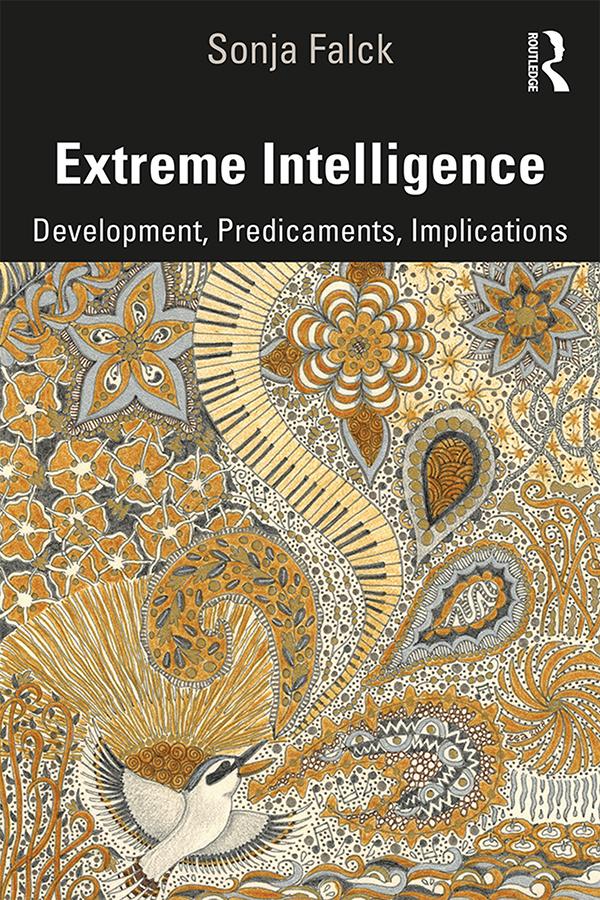
Extreme intelligence is strongly correlated with the highest of human achievement, but also, paradoxically, with higher relationship conflict, career difficulty, mental illness, and high-IQ crime. Increased intelligence does not necessarily increase success; it should be considered as a minority special need that requires nurturing.
This book explores the social development and predicaments of those who possess extreme intelligence, and the consequent personal and professional implications for them. It uniquely integrates insights and knowledge from the research fields of intelligence, giftedness, genius, and expertise with those from depth psychology, emphasising the importance of finding ways to talk effectively about extreme intelligence, and how it can better be supported and embraced. The author supports her arguments throughout, reviewing the academic literature alongside representations of genius in history, fiction, and the media, and draws on her own first-hand research interviews and consulting work with multinational high-IQ adults.
This book is essential reading for anyone supporting or working with the highly gifted, as well as those researching or interested by the field of intelligence.
Płać wygodnie kartą, Klarną, Apple Pay lub Google Pay. Nie jesteś zadowolony? Zawsze masz 14-dniową gwarancję zwrotu pieniędzy. Więcej przeczytasz w naszych warunkach. Masz pytania? Napisz do nas na hello@memmo.org.
Memmo ułatwia naukę – gdziekolwiek jesteś na świecie. U nas znajdziesz podręczniki i sprytne narzędzia do nauki w jednym miejscu: streszczenia, quizy, podcasty i fiszki. A do tego Ted, Twój kumpel do nauki, który odpowie na wszystko, co Cię nurtuje. Ponad 50 000 studentów już tu się uczy – stworzone, byś uczył się szybciej i mniej stresował.