
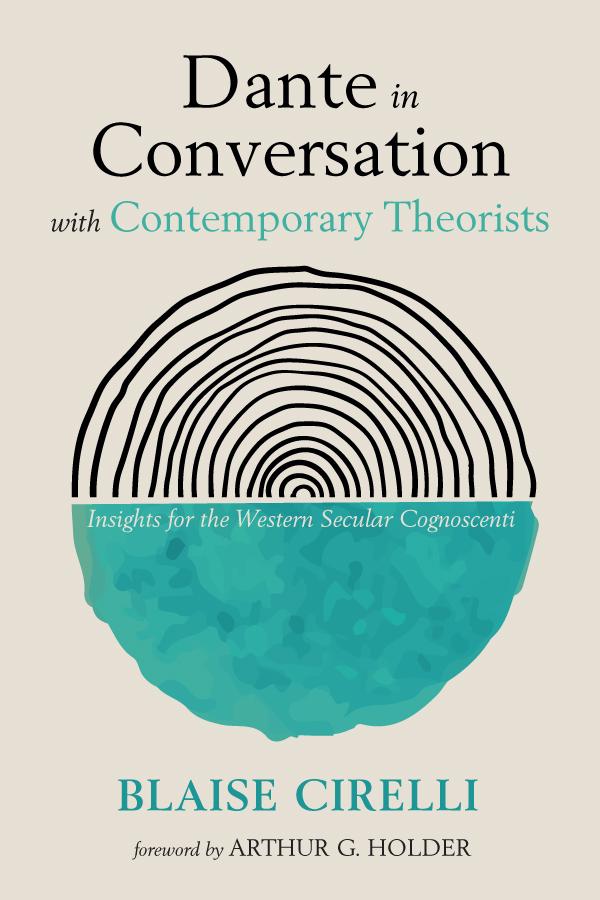
Dante's Divine Comedy appears on the reading list of almost every university's Humanities Studies department. But often it is thought of as a relic from the past. What if instead of considering the Divine Comedy as a historical artifact, one engaged the text as a work pertinent to the moment? Can we learn anything about our present situation by reading the Divine Comedy?
Blaise Cirelli brings the Divine Comedy to life by challenging readers to consider how contemporary theorists might question Dante about his work. Where would Dante and the theorists agree, and where might they disagree? And which side might the reader of this text choose? This book will both enrich our understanding of Dante's Divine Comedy and challenge us to think afresh about our own beliefs.
Betal enkelt med kort, Klarna, Apple Pay eller Google Pay. Ikke fornøyd? Du har alltid 14 dagers angrerett. Les mer i våre vilkår. Har du spørsmål, send oss en e-post på hello@memmo.org.
Memmo gjør det enklere å studere – uansett hvor du er i verden. Hos oss samler du pensumbøker og smarte studieverktøy på ett og samme sted: sammendrag, quizer, podkaster og flashcards. Og så Ted, din studiekompis som svarer på alt du lurer på. Over 50 000 studenter studerer allerede her – bygget for at du skal lære raskere og stresse mindre.
Du vil kanskje også like
Kjøp boken0