
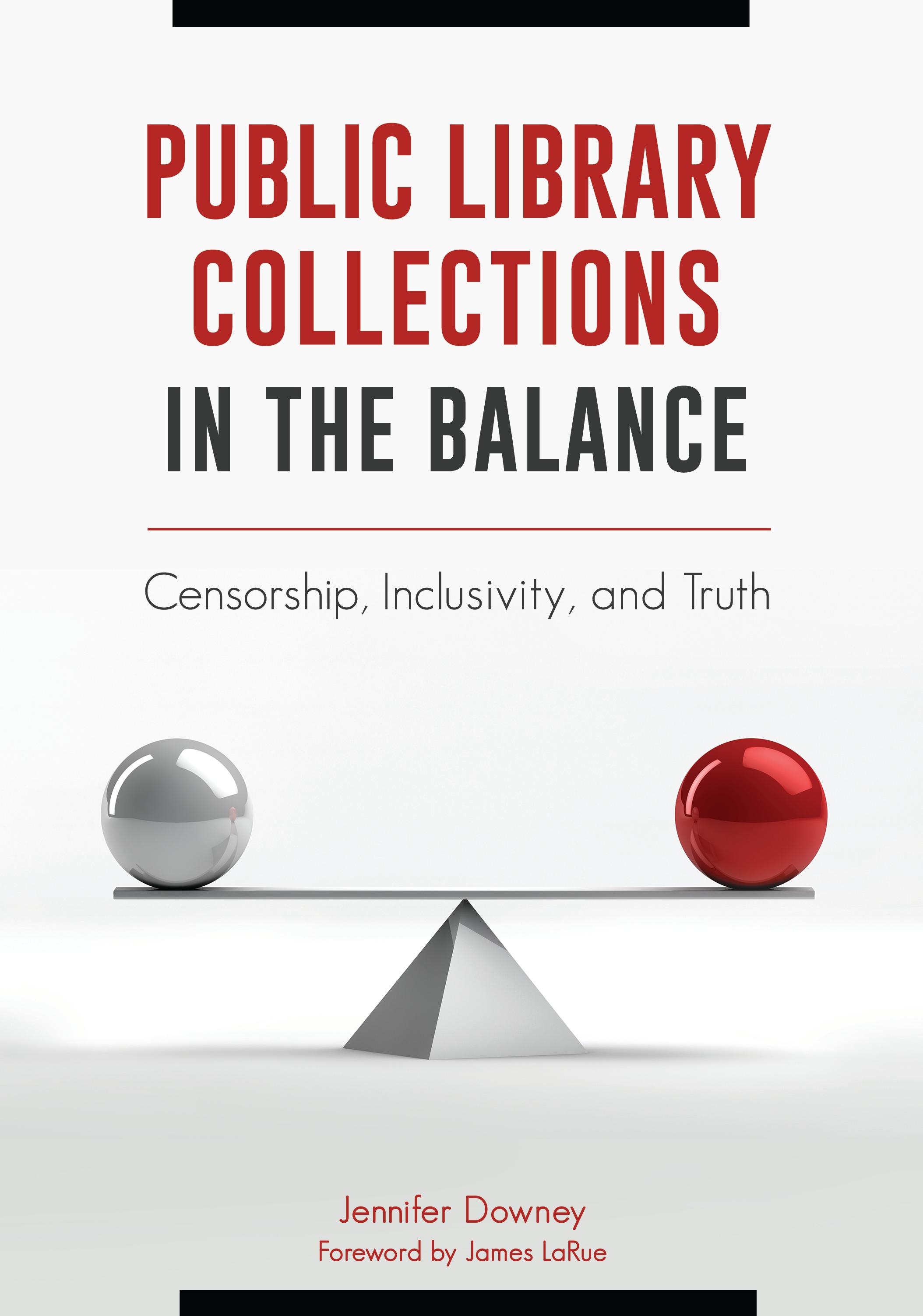
A fascinating and informative read for librarians, library staff, and MLIS students, this book offers practical information and professional guidelines to examine current issues in censorship and libraries while also enabling readers to consider their own opinions about intellectual freedom.
This book addresses contemporary issues in censorship and intellectual freedom and can serve as an invaluable resource for librarians and other library staff and as an eye-opening read for MLIS students. It covers the waterfront of intricate and thorny issues regarding intellectual freedom, including determining strategies for patron privacy, deciding how to filter public computers, handling challenges to items in a collection, and recognizing and eliminating under-the-radar self-censorship during collection development and weeding. Readers will also gain an understanding of the perils of over-reliance on community assessments and other evaluative tools and consider important concerns of public library employees, such as whether to restrict borrowing privileges of R-rated movies and M-rated video games to patrons of various ages, and the legalities that surround these questions.
Each chapter blends instructive background narrative with practical advice, research findings, and relevant information about librarianship's professional guidelines, including the ALA's Library Bill of Rights and the Freedom to Read Statement. Vignettes, "what would you do?" examples, effective nonconfrontational techniques for conflict resolution, and lists of tips and traps help readers to think critically about their own biases and rehearse possible responses to controversial situations. Librarians, library staff, and MLIS students can use this book for personal professional development, as supplemental reading for MLIS courses or professional training workshops, or as a resource for library policy-planning discussions.
This book addresses contemporary issues in censorship and intellectual freedom and can serve as an invaluable resource for librarians and other library staff and as an eye-opening read for MLIS students. It covers the waterfront of intricate and thorny issues regarding intellectual freedom, including determining strategies for patron privacy, deciding how to filter public computers, handling challenges to items in a collection, and recognizing and eliminating under-the-radar self-censorship during collection development and weeding. Readers will also gain an understanding of the perils of over-reliance on community assessments and other evaluative tools and consider important concerns of public library employees, such as whether to restrict borrowing privileges of R-rated movies and M-rated video games to patrons of various ages, and the legalities that surround these questions.
Each chapter blends instructive background narrative with practical advice, research findings, and relevant information about librarianship's professional guidelines, including the ALA's Library Bill of Rights and the Freedom to Read Statement. Vignettes, "what would you do?" examples, effective nonconfrontational techniques for conflict resolution, and lists of tips and traps help readers to think critically about their own biases and rehearse possible responses to controversial situations. Librarians, library staff, and MLIS students can use this book for personal professional development, as supplemental reading for MLIS courses or professional training workshops, or as a resource for library policy-planning discussions.
Betal enkelt med kort, Klarna, Apple Pay eller Google Pay. Ikke fornøyd? Du har alltid 14 dagers angrerett. Les mer i våre vilkår. Har du spørsmål, send oss en e-post på hello@memmo.org.
Memmo gjør det enklere å studere – uansett hvor du er i verden. Hos oss samler du pensumbøker og smarte studieverktøy på ett og samme sted: sammendrag, quizer, podkaster og flashcards. Og så Ted, din studiekompis som svarer på alt du lurer på. Over 50 000 studenter studerer allerede her – bygget for at du skal lære raskere og stresse mindre.