
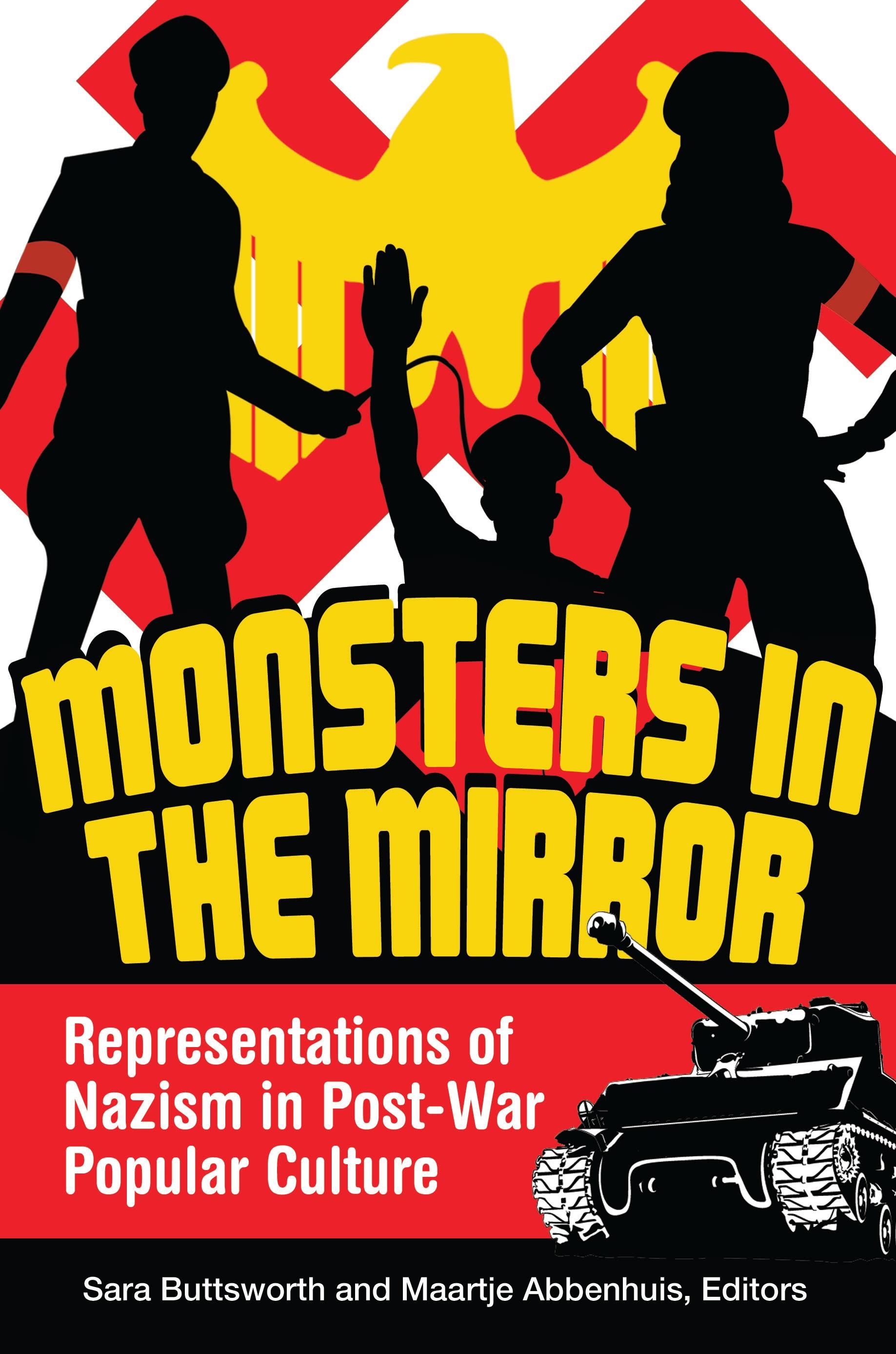
This collection provides readers with a comprehensive overview of postwar representations of Nazism in popular culture, documenting and critiquing their enormous impact and importance.
From Charlie Chaplin's The Great Dictator to the depiction of Nazis in the Raiders of the Lost Ark to other various literature, comic books, video games, television programs, and pop music, Nazism has maintained a constant presence in popular culture after World War II. Why are representations of Nazism—which are often used to depict the ultimate expression of human evil—so entrenched in our culture?
Each chapter in this book examines this multifaceted topic from different angles, highlighting the different incidences of Nazistic representations in the post-1945 period. The diverse subject matter in this text ranges from analysis of recent allo-historical novels, to the music of the "neo-folk" movement, to fetishes and pornography. Readers will gain insight on how the imagery and symbology of Nazism in popular culture has changed over time and understand how the disconnect between representations of Nazism and the historical record have developed, particularly with regard to the genocide that resulted from Nazi politics.
From Charlie Chaplin's The Great Dictator to the depiction of Nazis in the Raiders of the Lost Ark to other various literature, comic books, video games, television programs, and pop music, Nazism has maintained a constant presence in popular culture after World War II. Why are representations of Nazism—which are often used to depict the ultimate expression of human evil—so entrenched in our culture?
Each chapter in this book examines this multifaceted topic from different angles, highlighting the different incidences of Nazistic representations in the post-1945 period. The diverse subject matter in this text ranges from analysis of recent allo-historical novels, to the music of the "neo-folk" movement, to fetishes and pornography. Readers will gain insight on how the imagery and symbology of Nazism in popular culture has changed over time and understand how the disconnect between representations of Nazism and the historical record have developed, particularly with regard to the genocide that resulted from Nazi politics.
Betal enkelt med kort, Klarna, Apple Pay eller Google Pay. Ikke fornøyd? Du har alltid 14 dagers angrerett. Les mer i våre vilkår. Har du spørsmål, send oss en e-post på hello@memmo.org.
Memmo gjør det enklere å studere – uansett hvor du er i verden. Hos oss samler du pensumbøker og smarte studieverktøy på ett og samme sted: sammendrag, quizer, podkaster og flashcards. Og så Ted, din studiekompis som svarer på alt du lurer på. Over 50 000 studenter studerer allerede her – bygget for at du skal lære raskere og stresse mindre.