
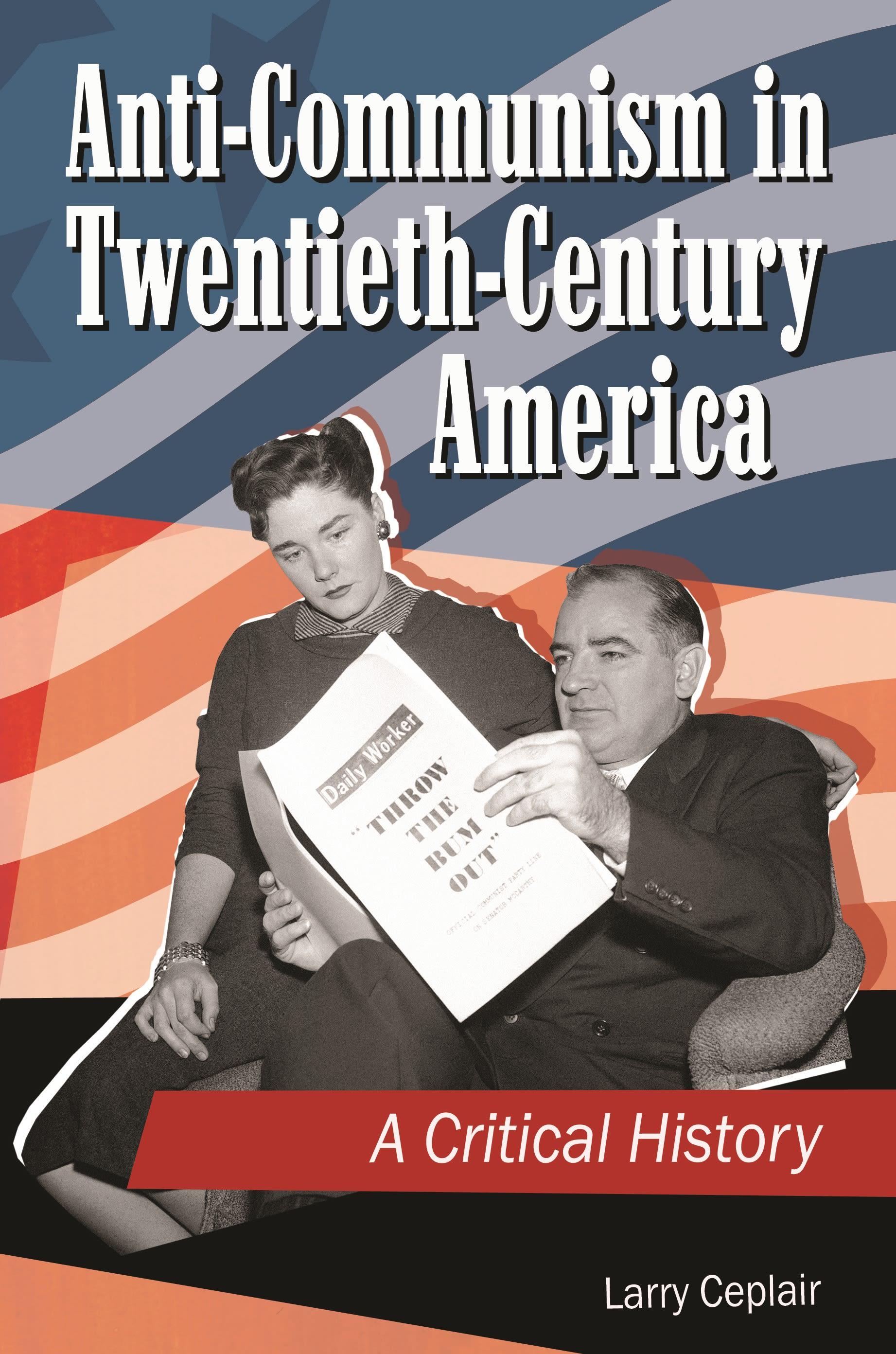
This compelling, critical analysis of anti-communism illustrates the variety of anti-Communist styles and agendas, thereby making a persuasive case that the "threat" of domestic communism in Cold War America was vastly overblown.
In the United States today, communism is an ideology or political movement that barely registers in the consciousness of our nation. Yet merely half a century ago, "communist" was a buzzword that every citizen in our nation was aware of—a term that connoted "traitor" and almost certainly a characterization that most Americans were afraid of.
Anti-Communism in Twentieth-Century America: A Critical History provides a panoramic perspective of the types of anti-communists in the United States between 1919 and the collapse of the Soviet Union. It explains the causes and exceptional nature of anti-communism in the United States, and divides it into eight discrete categories. This title then thoroughly examines the words and deeds of the various anti-Communists in each of these categories during the three "Red Scares" in the past century. The work concludes with an unapologetic assessment of domestic anti-communism. This book allows readers to more fully comprehend what the anti-communists meant with their rhetoric, and grasp their impact on the United States during the 20th century and beyond—for example, how anti-communism has reappeared as anti-terrorism.
In the United States today, communism is an ideology or political movement that barely registers in the consciousness of our nation. Yet merely half a century ago, "communist" was a buzzword that every citizen in our nation was aware of—a term that connoted "traitor" and almost certainly a characterization that most Americans were afraid of.
Anti-Communism in Twentieth-Century America: A Critical History provides a panoramic perspective of the types of anti-communists in the United States between 1919 and the collapse of the Soviet Union. It explains the causes and exceptional nature of anti-communism in the United States, and divides it into eight discrete categories. This title then thoroughly examines the words and deeds of the various anti-Communists in each of these categories during the three "Red Scares" in the past century. The work concludes with an unapologetic assessment of domestic anti-communism. This book allows readers to more fully comprehend what the anti-communists meant with their rhetoric, and grasp their impact on the United States during the 20th century and beyond—for example, how anti-communism has reappeared as anti-terrorism.
Betal enkelt med kort, Klarna, Apple Pay eller Google Pay. Ikke fornøyd? Du har alltid 14 dagers angrerett. Les mer i våre vilkår. Har du spørsmål, send oss en e-post på hello@memmo.org.
Memmo gjør det enklere å studere – uansett hvor du er i verden. Hos oss samler du pensumbøker og smarte studieverktøy på ett og samme sted: sammendrag, quizer, podkaster og flashcards. Og så Ted, din studiekompis som svarer på alt du lurer på. Over 50 000 studenter studerer allerede her – bygget for at du skal lære raskere og stresse mindre.