
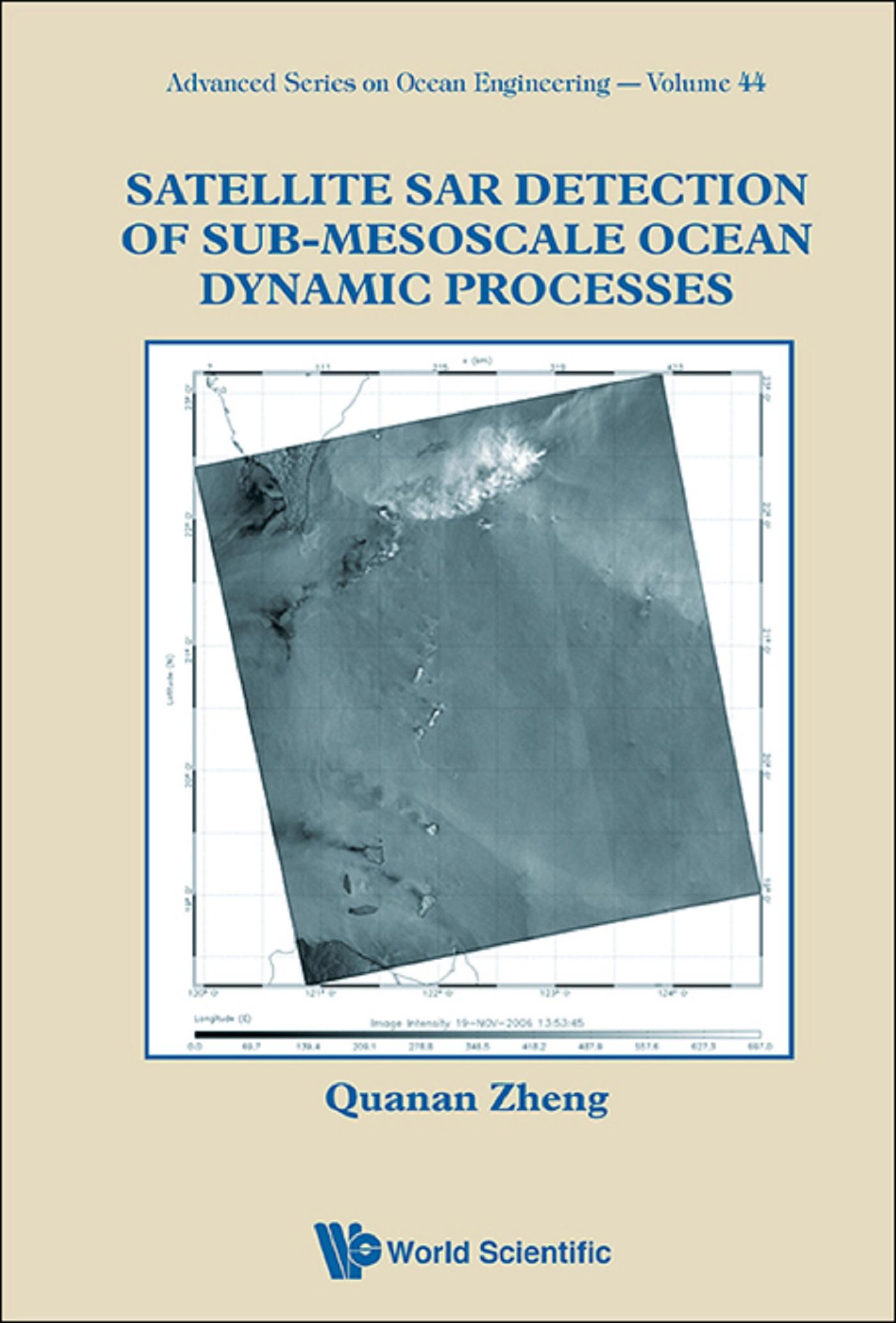
Synthetic-aperture radar (SAR) as a form of radar to create images of objects, uses the motion of the radar antenna over a targeted region to provide finer spatial resolution than is possible with conventional beam-scanning radars by mounting the antenna on a moving platform such as an aircraft or spacecraft. As antenna aperture (the 'size' of the antenna) is defined by the distance the SAR device travels over a target in the time taken for the radar pulses to return to the antenna, the larger the aperture is, the higher the image resolution, therefore, this enables SAR to create high resolution images with comparatively small physical antennas.This special book aims to provide the updated theories and methods for the use of synthetic aperture radar (SAR) onboard satellites to detect ocean processes, i.e., SAR ocean remote sensing. It is a hi-tech application field having been developed since late 1970s and become a powerful tool for obtaining dynamic signatures from the remote and broad ocean.
Betal enkelt med kort, Klarna, Apple Pay eller Google Pay. Ikke fornøyd? Du har alltid 14 dagers angrerett. Les mer i våre vilkår. Har du spørsmål, send oss en e-post på hello@memmo.org.
Memmo gjør det enklere å studere – uansett hvor du er i verden. Hos oss samler du pensumbøker og smarte studieverktøy på ett og samme sted: sammendrag, quizer, podkaster og flashcards. Og så Ted, din studiekompis som svarer på alt du lurer på. Over 50 000 studenter studerer allerede her – bygget for at du skal lære raskere og stresse mindre.
Du vil kanskje også like
Kjøp boken0