
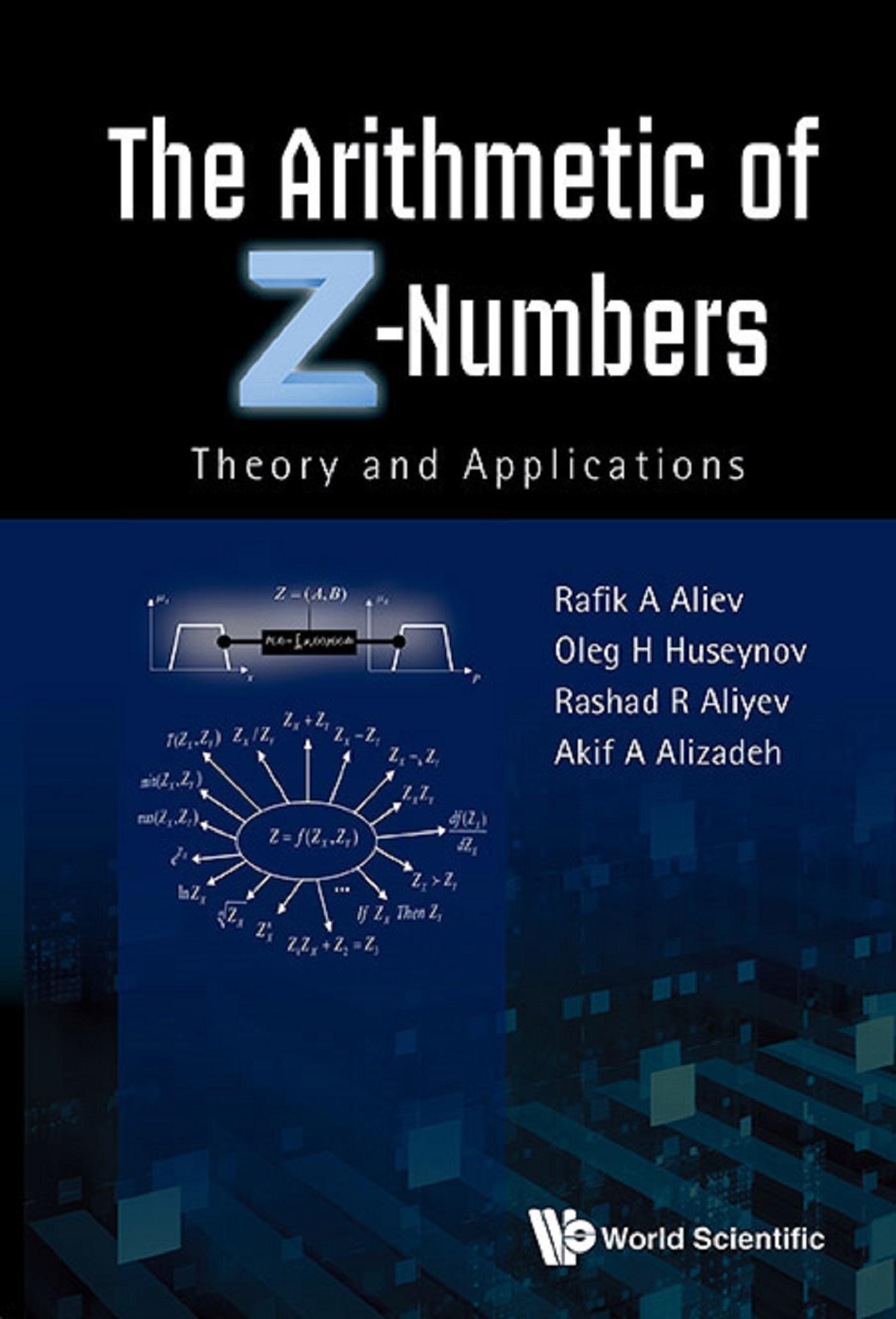
Real-world information is imperfect and is usually described in natural language (NL). Moreover, this information is often partially reliable and a degree of reliability is also expressed in NL. In view of this, the concept of a Z-number is a more adequate concept for the description of real-world information. The main critical problem that naturally arises in processing Z-numbers-based information is the computation with Z-numbers. Nowadays, there is no arithmetic of Z-numbers suggested in existing literature.This book is the first to present a comprehensive and self-contained theory of Z-arithmetic and its applications. Many of the concepts and techniques described in the book, with carefully worked-out examples, are original and appear in the literature for the first time.The book will be helpful for professionals, academics, managers and graduate students in fuzzy logic, decision sciences, artificial intelligence, mathematical economics, and computational economics.
Betal enkelt med kort, Klarna, Apple Pay eller Google Pay. Ikke fornøyd? Du har alltid 14 dagers angrerett. Les mer i våre vilkår. Har du spørsmål, send oss en e-post på hello@memmo.org.
Memmo gjør det enklere å studere – uansett hvor du er i verden. Hos oss samler du pensumbøker og smarte studieverktøy på ett og samme sted: sammendrag, quizer, podkaster og flashcards. Og så Ted, din studiekompis som svarer på alt du lurer på. Over 50 000 studenter studerer allerede her – bygget for at du skal lære raskere og stresse mindre.
Du vil kanskje også like
Kjøp boken0