
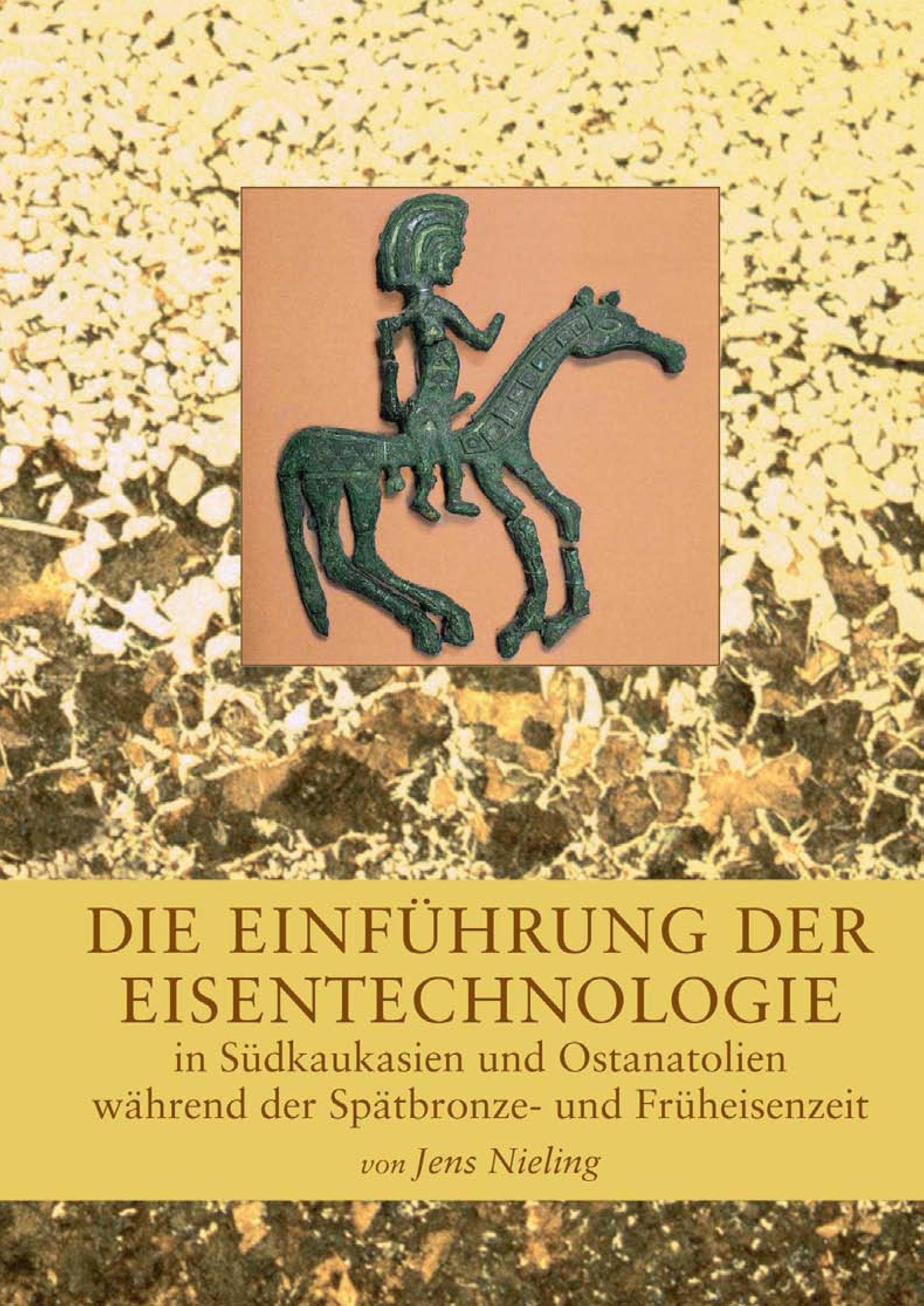
This German doctoral thesis challenges the orthodox view that the South-Caucasian culture of the Late Bronze Age played a decisive role in early iron production. The region is characterized, on the contrary, as a traditionally-bound aristocratic society with an impressive bronze industry. It was instead the underestimated nomad population of South-Eastern Turkey that first made use of the new metal and discovered the art of steel making. Climatic changes forced a southward migration, which not only brought the two cultures into contact, but also into conflict, with each other. However, a process of successful acculturation finally resulted in the creation of the Urartian Empire. While for some time the neighbouring Assyrian and Neohittite states remained hesitant towards the adoption of advanced iron technology, this soon changed when they recognized the opportunity for cheap mass-production. Text in German with English summary.
Betal enkelt med kort, Klarna, Apple Pay eller Google Pay. Ikke fornøyd? Du har alltid 14 dagers angrerett. Les mer i våre vilkår. Har du spørsmål, send oss en e-post på hello@memmo.org.
Memmo gjør det enklere å studere – uansett hvor du er i verden. Hos oss samler du pensumbøker og smarte studieverktøy på ett og samme sted: sammendrag, quizer, podkaster og flashcards. Og så Ted, din studiekompis som svarer på alt du lurer på. Over 50 000 studenter studerer allerede her – bygget for at du skal lære raskere og stresse mindre.
Du vil kanskje også like
Kjøp boken0