
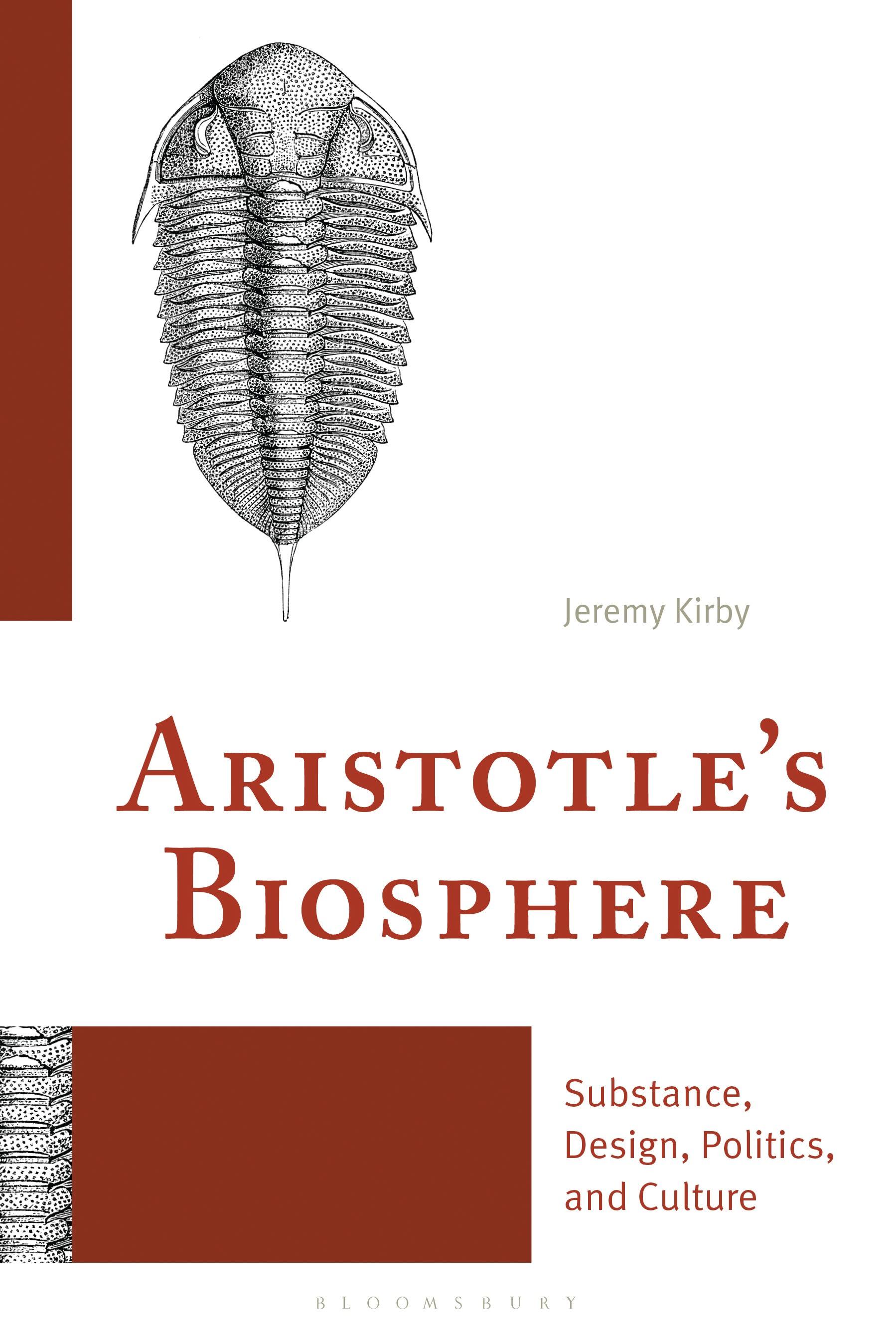
Aristotle displays a keen interest in life and living beings, but he doesn't separate the biological from the artificial, and he describes organisms as skillfully constructed phenomena that extend beyond their individual bodies.
The questions that proliferate around our ideas of the living and the artificial are perennial, and this book explores how Aristotle's framing of matters can shed light on them. Textual evidence does not require a reading of living and nonliving-or substance and artifact-as procrustean discrete classes, but as contraries that admit of intermediaries, and the artifact can provide some analogical explanation of the natural substance. If a beaver dam, for instance, occupies an intersection between the two, then Aristotle may countenance a similar phenomenon in the realms of politics, art, and ethics.
Jeremy Kirby argues that the state would satisfy Aristotle's criteria associated with both the artificial and the natural. The book also draws connections between what Aristotle calls natural virtue to virtue obtained via habituation and training.
The questions that proliferate around our ideas of the living and the artificial are perennial, and this book explores how Aristotle's framing of matters can shed light on them. Textual evidence does not require a reading of living and nonliving-or substance and artifact-as procrustean discrete classes, but as contraries that admit of intermediaries, and the artifact can provide some analogical explanation of the natural substance. If a beaver dam, for instance, occupies an intersection between the two, then Aristotle may countenance a similar phenomenon in the realms of politics, art, and ethics.
Jeremy Kirby argues that the state would satisfy Aristotle's criteria associated with both the artificial and the natural. The book also draws connections between what Aristotle calls natural virtue to virtue obtained via habituation and training.
Betal enkelt med kort, Klarna, Apple Pay eller Google Pay. Ikke fornøyd? Du har alltid 14 dagers angrerett. Les mer i våre vilkår. Har du spørsmål, send oss en e-post på hello@memmo.org.
Memmo gjør det enklere å studere – uansett hvor du er i verden. Hos oss samler du pensumbøker og smarte studieverktøy på ett og samme sted: sammendrag, quizer, podkaster og flashcards. Og så Ted, din studiekompis som svarer på alt du lurer på. Over 50 000 studenter studerer allerede her – bygget for at du skal lære raskere og stresse mindre.