
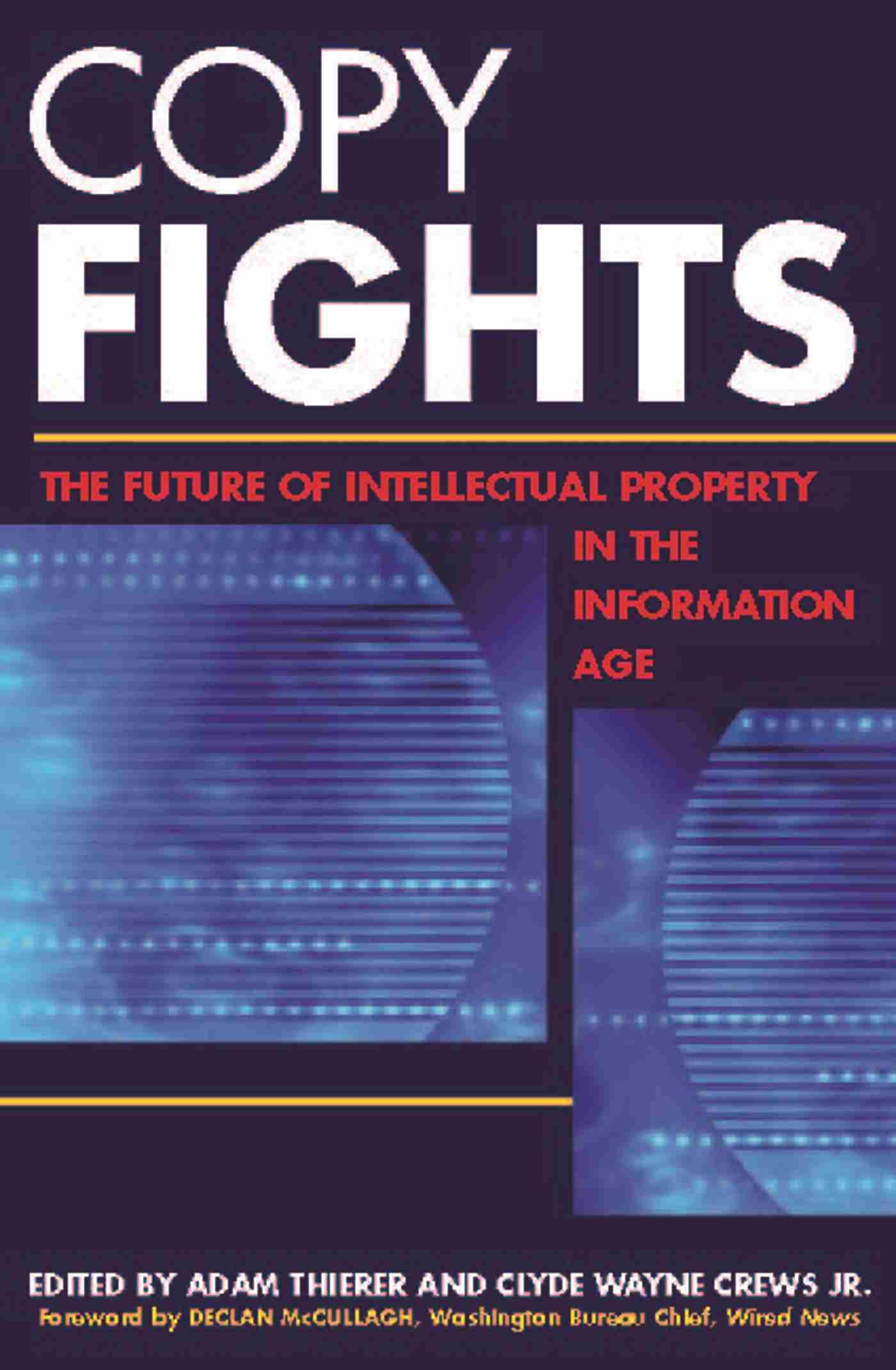
The Internet has often been labeled a disruptive technology, and nowhere has that been more clearly the case than in the field of intellectual property (IP) law. Although debates over IP policy have raged in academic circles and law and economics journals for decades, with the rise of the Internet, IP issues have captured the public's collective attention like never before. Suddenly, the teenage creator of file-swapping sensation Napster appeared on the cover of Time magazine as the mass media took notice of an explosion of interest in digital downloads, CD burning, and widespread peer-to-peer file sharing among the general public. But the mass movement to share songs and other digital content online was met with a firestorm of criticism from copyright and patent holders, who struck back with a vengeance, filing lawsuits and pursuing legislative and regulatory remedies for what they regarded as intellectual property piracy on a scale never before envisioned.
This debate has sparked a newfound interest in timeless questions about the nature of intellectual property and how it should be protected, including why do we protect intellectual property at all; do we really have "property rights" in our intangible creations the same way we have property rights to our homes and our land; aren't there better ways to encourage artistic creation and scientific discovery than through the use of copyright and patent laws that protect a limited monopoly? Copy Fights presents a thought-provoking exploration of these questions.
Betal enkelt med kort, Klarna, Apple Pay eller Google Pay. Ikke fornøyd? Du har alltid 14 dagers angrerett. Les mer i våre vilkår. Har du spørsmål, send oss en e-post på hello@memmo.org.
Memmo gjør det enklere å studere – uansett hvor du er i verden. Hos oss samler du pensumbøker og smarte studieverktøy på ett og samme sted: sammendrag, quizer, podkaster og flashcards. Og så Ted, din studiekompis som svarer på alt du lurer på. Over 50 000 studenter studerer allerede her – bygget for at du skal lære raskere og stresse mindre.