
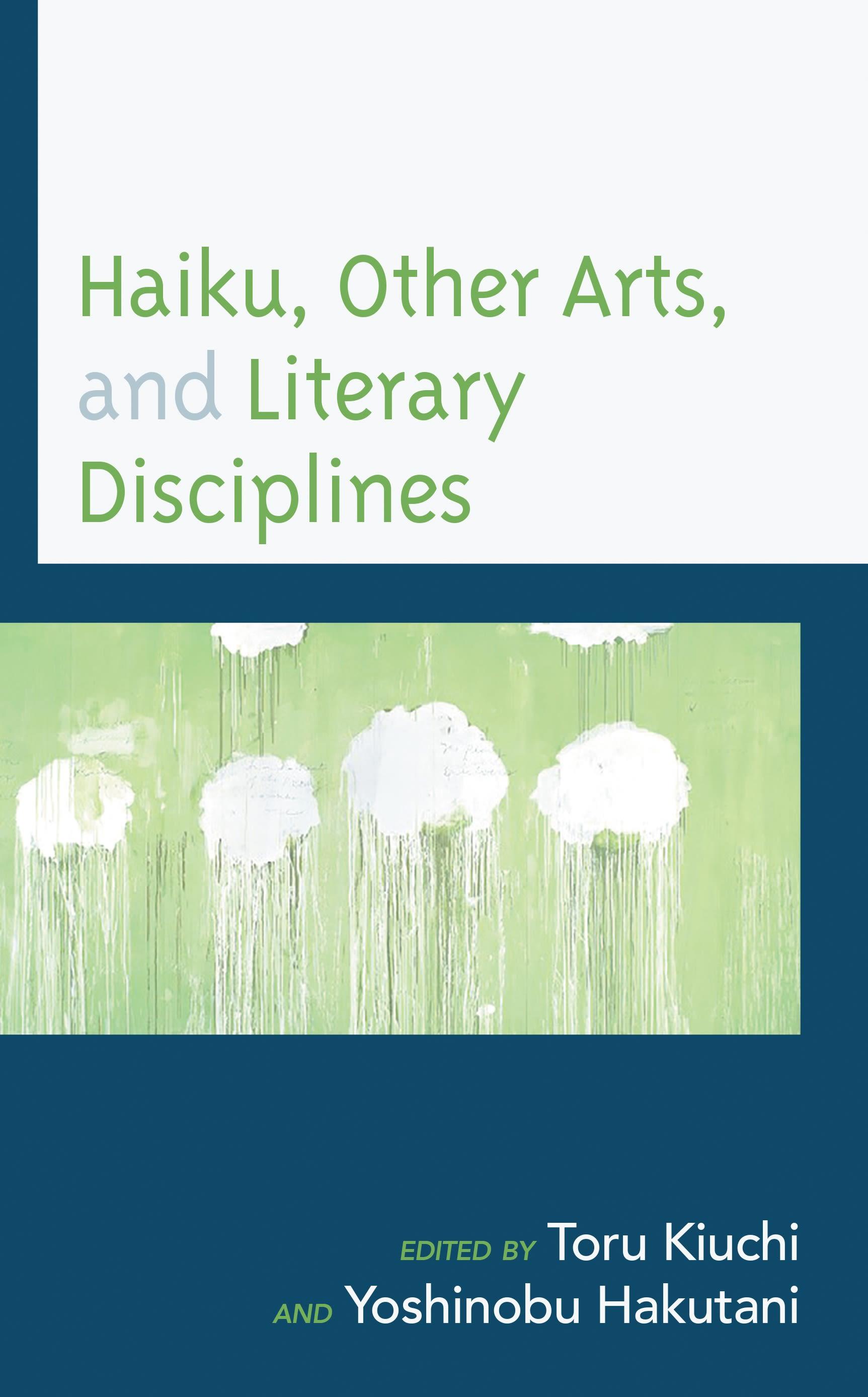
Haiku, Other Arts, and Literary Disciplines investigates the genesis and development of haiku in Japan and determines the relationships between haiku and other arts, such as essay writing, painting, and music, as well as the backgrounds of haiku, such as literary movements, philosophies, and religions that underlie haiku composition. By analyzing the poets who played major roles in the development of haiku and its related genres, these essays illustrate how Japanese haiku poets, and American writers such as Emerson and Whitman, were inspired by nature, especially its beautiful scenes and seasonal changes. Western poets had a demonstrated affinity for Japanese haiku which bled over into other art mediums, as these chapters discuss.
Betal enkelt med kort, Klarna, Apple Pay eller Google Pay. Ikke fornøyd? Du har alltid 14 dagers angrerett. Les mer i våre vilkår. Har du spørsmål, send oss en e-post på hello@memmo.org.
Memmo gjør det enklere å studere – uansett hvor du er i verden. Hos oss samler du pensumbøker og smarte studieverktøy på ett og samme sted: sammendrag, quizer, podkaster og flashcards. Og så Ted, din studiekompis som svarer på alt du lurer på. Over 50 000 studenter studerer allerede her – bygget for at du skal lære raskere og stresse mindre.