
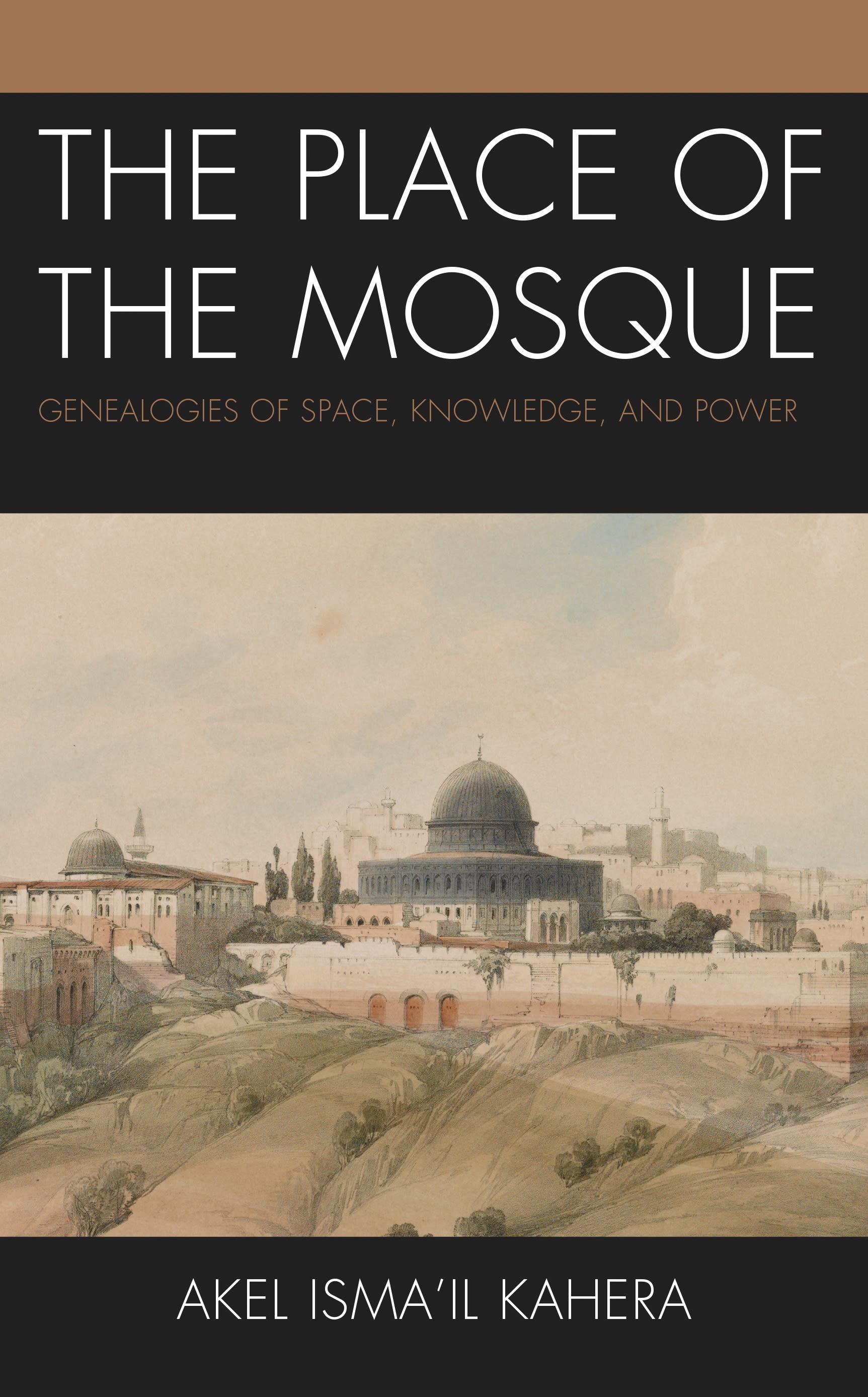
The Place of the Mosque: Genealogies of Space, Knowledge, and Power extends Foucault’s analysis, Of Other Spaces, and the “ideological conflicts which underlie the controversies of our day [and] take place between pious descendants of time and tenacious inhabitants of space.” This book uses Foucault’s framework to illuminate how mosques have been threatened in the past, from the Cordóba Mosque in the eighth century, to the development of Moorish aesthetics in the United States in the nineteenth century, to the clashes surrounding the building of mosques in the West in the twentieth and twenty-first centuries. Akel Kahera uses Foucault’s genealogy to elaborate on and study the subjects that are caught in the emergence of a battle—the social and political will to power, the networks of power, and the rituals of power—within the interstitial space. In going beyond individual buildings to broader geographical and genealogical dimensions of the power struggles, The Place of the Mosque reconciles the public space experience, governmentality, and micro powers, paving the way for a new philosophical language. Expanding architectural and urban regional approaches, Kahera shows the biopolitical significance of the problem of space.
Betal enkelt med kort, Klarna, Apple Pay eller Google Pay. Ikke fornøyd? Du har alltid 14 dagers angrerett. Les mer i våre vilkår. Har du spørsmål, send oss en e-post på hello@memmo.org.
Memmo gjør det enklere å studere – uansett hvor du er i verden. Hos oss samler du pensumbøker og smarte studieverktøy på ett og samme sted: sammendrag, quizer, podkaster og flashcards. Og så Ted, din studiekompis som svarer på alt du lurer på. Over 50 000 studenter studerer allerede her – bygget for at du skal lære raskere og stresse mindre.