
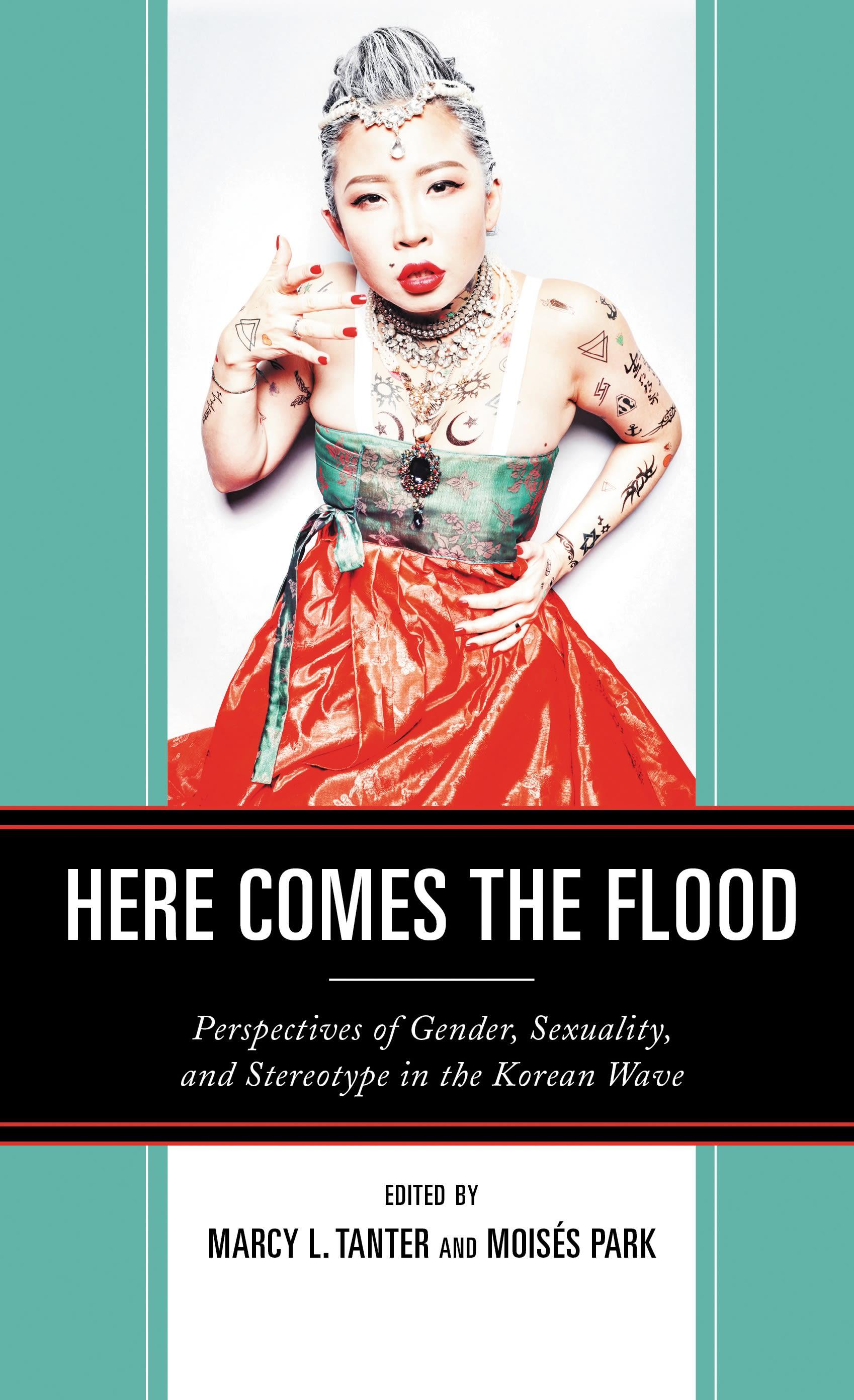
This collection breaks down the stereotypes often expected of Korean popular culture, specifically examining issues of gender, sexuality, and stereotype in a variety of cultural products including K-pop, K-drama, and cover dancing through the lens of how “Koreanness” can be defined. A diverse range of of contributors showcase how Hallyu, or the Korean Wave, began as a wave rolling across Asia and morphed into a tsunami that has impacted every continent, making Korean popular culture an industry that draws in fans on a global scale. The stereotypes and issues being explored in this collection, contributors argue, are intertwined with how Koreans both at home and in the diaspora portray themselves publicly and consider themselves privately. In tandem with this, international fans of Hallyu take part in the conversation through performance and imitation, either reinforcing or breaking away from these stereotypes. Contributors examine a wide variety of settings to connect the concepts of traditional Korean values to modern Korean society in a symbiotic relationship between these values and cultural content creators. Scholars of media studies, pop culture, gender studies, Asian studies, sociology, and cultural studies will find this book particularly useful.
Betal enkelt med kort, Klarna, Apple Pay eller Google Pay. Ikke fornøyd? Du har alltid 14 dagers angrerett. Les mer i våre vilkår. Har du spørsmål, send oss en e-post på hello@memmo.org.
Memmo gjør det enklere å studere – uansett hvor du er i verden. Hos oss samler du pensumbøker og smarte studieverktøy på ett og samme sted: sammendrag, quizer, podkaster og flashcards. Og så Ted, din studiekompis som svarer på alt du lurer på. Over 50 000 studenter studerer allerede her – bygget for at du skal lære raskere og stresse mindre.