
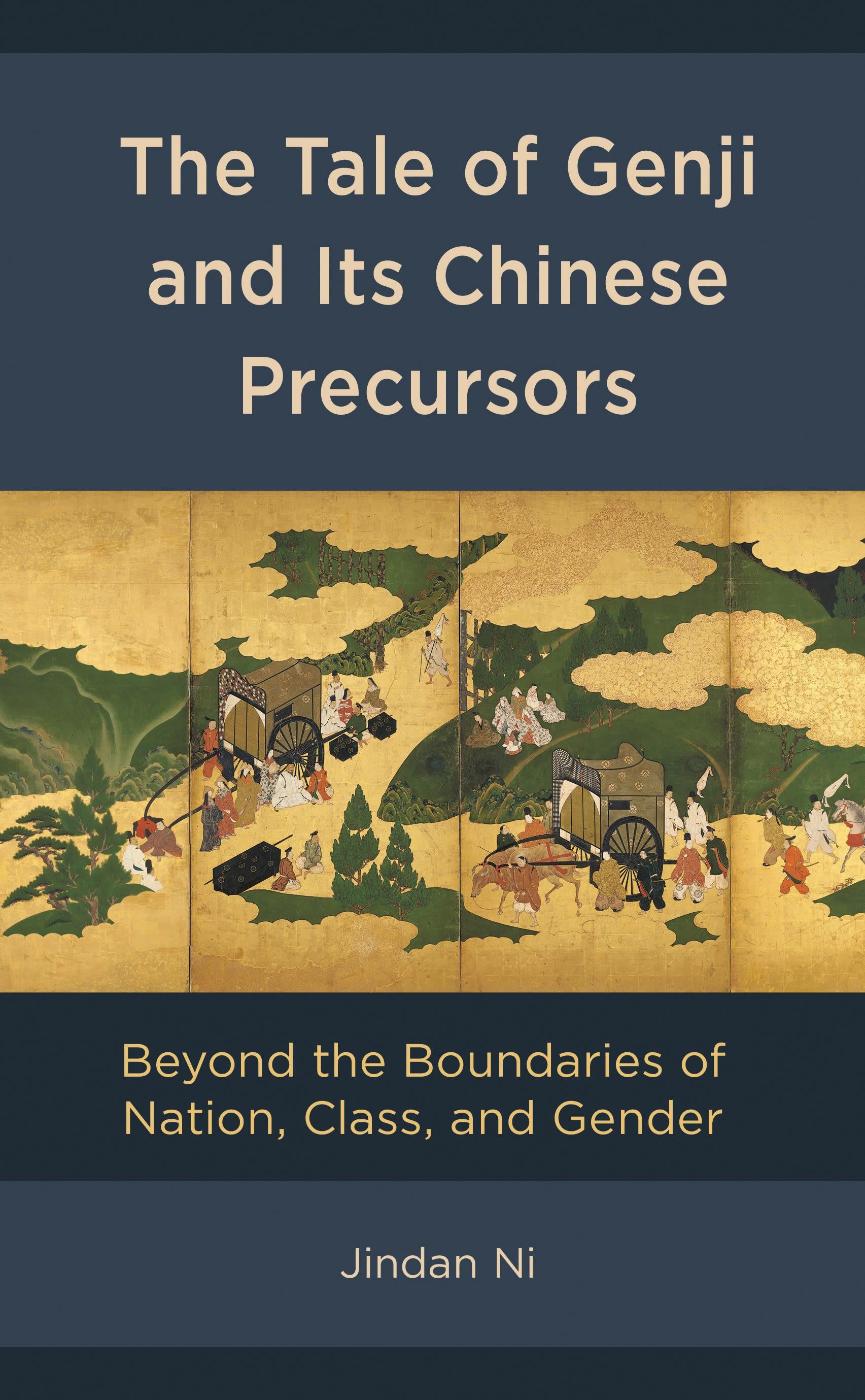
In The Tale of Genji and Its Chinese Precursors: Beyond the Boundaries of Nation, Class, and Gender, Jindan Ni departs from a “nativist” tradition which views The Tale of Genji as epitomizing an exclusively Japanese aesthetic distinct from Chinese influence and Buddhist values. Ni contests the traditional focus on Japanese essentialism by detailing the impact of Chinese literary forms and presenting the Japanese Heian Court as a site of dynamic and complex literary interchange. Combining close reading, the archival work of Japanese and Chinese scholars, and comparative literary theory, Ni argues that Murasaki Shikibu avoided the constraint of a single literary tradition by drawing on Chinese intertexts. Ni’s account reveals the heterogeneity that makes The Tale of Genji a masterpiece with enduring appeal.
Betal enkelt med kort, Klarna, Apple Pay eller Google Pay. Ikke fornøyd? Du har alltid 14 dagers angrerett. Les mer i våre vilkår. Har du spørsmål, send oss en e-post på hello@memmo.org.
Memmo gjør det enklere å studere – uansett hvor du er i verden. Hos oss samler du pensumbøker og smarte studieverktøy på ett og samme sted: sammendrag, quizer, podkaster og flashcards. Og så Ted, din studiekompis som svarer på alt du lurer på. Over 50 000 studenter studerer allerede her – bygget for at du skal lære raskere og stresse mindre.