
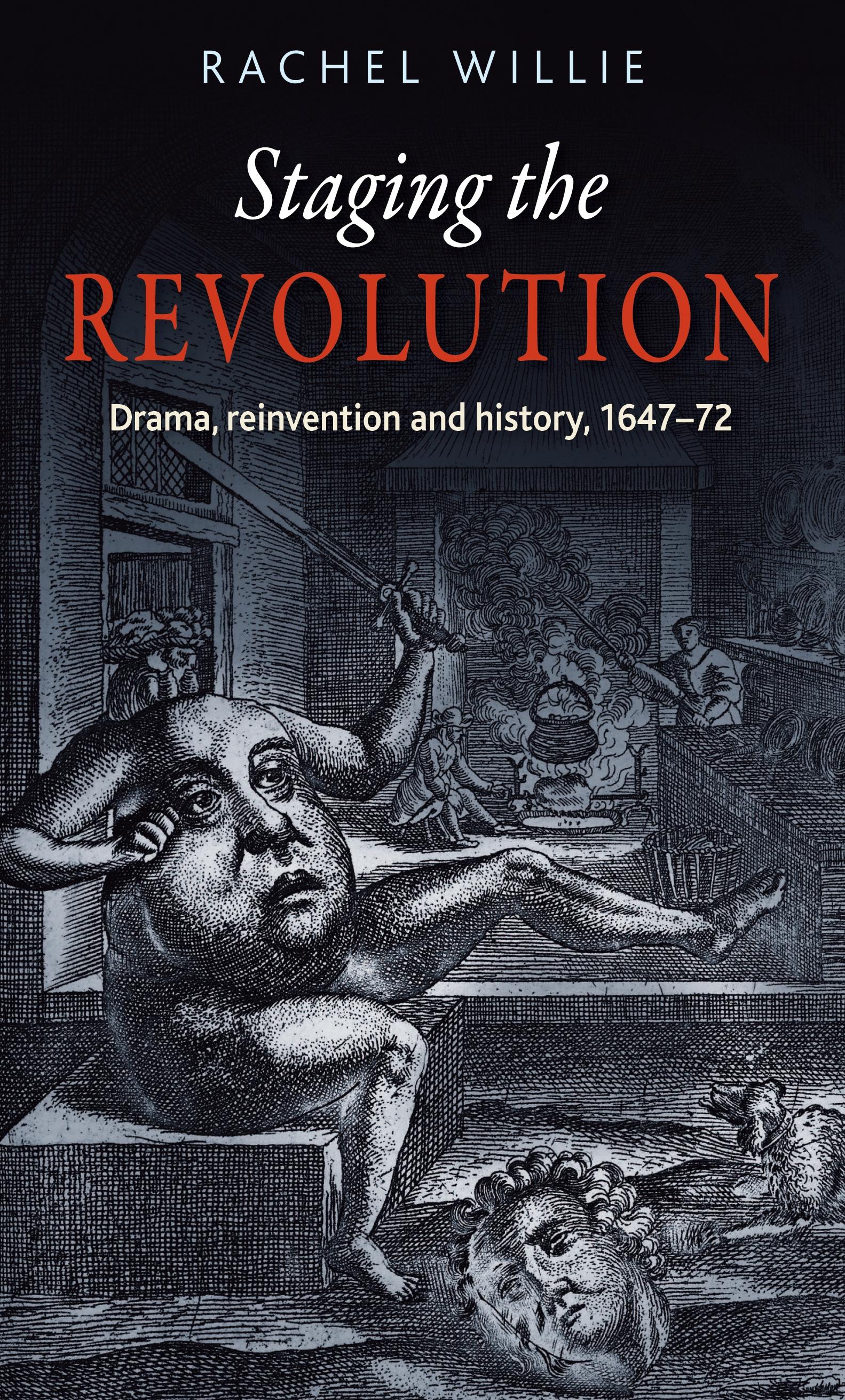
Staging the revolution offers a reappraisal of the weight and volume of theatrical output during the commonwealth and early Restoration, both in terms of live performances and performances on the paper stage. It argues that the often-cited notion that 1642 marked an end to theatrical production in England until the playhouses were reopened in 1660 is a product of post-Restoration re-writing of the English civil wars and the representations of royalists and parliamentarians that emerged in the 1640s and 1650s. These retellings of recent events in dramatic form mean that drama is central to civil-war discourse. Staging the revolution examines the ways in which drama was used to rewrite the civil war and commonwealth period and demonstrates that, far from marking a clear cultural demarcation from the theatrical output of the early seventeenth century, the Restoration is constantly reflecting back on the previous thirty years.
Betal enkelt med kort, Klarna, Apple Pay eller Google Pay. Ikke fornøyd? Du har alltid 14 dagers angrerett. Les mer i våre vilkår. Har du spørsmål, send oss en e-post på hello@memmo.org.
Memmo gjør det enklere å studere – uansett hvor du er i verden. Hos oss samler du pensumbøker og smarte studieverktøy på ett og samme sted: sammendrag, quizer, podkaster og flashcards. Og så Ted, din studiekompis som svarer på alt du lurer på. Over 50 000 studenter studerer allerede her – bygget for at du skal lære raskere og stresse mindre.
Du vil kanskje også like
Kjøp boken0