
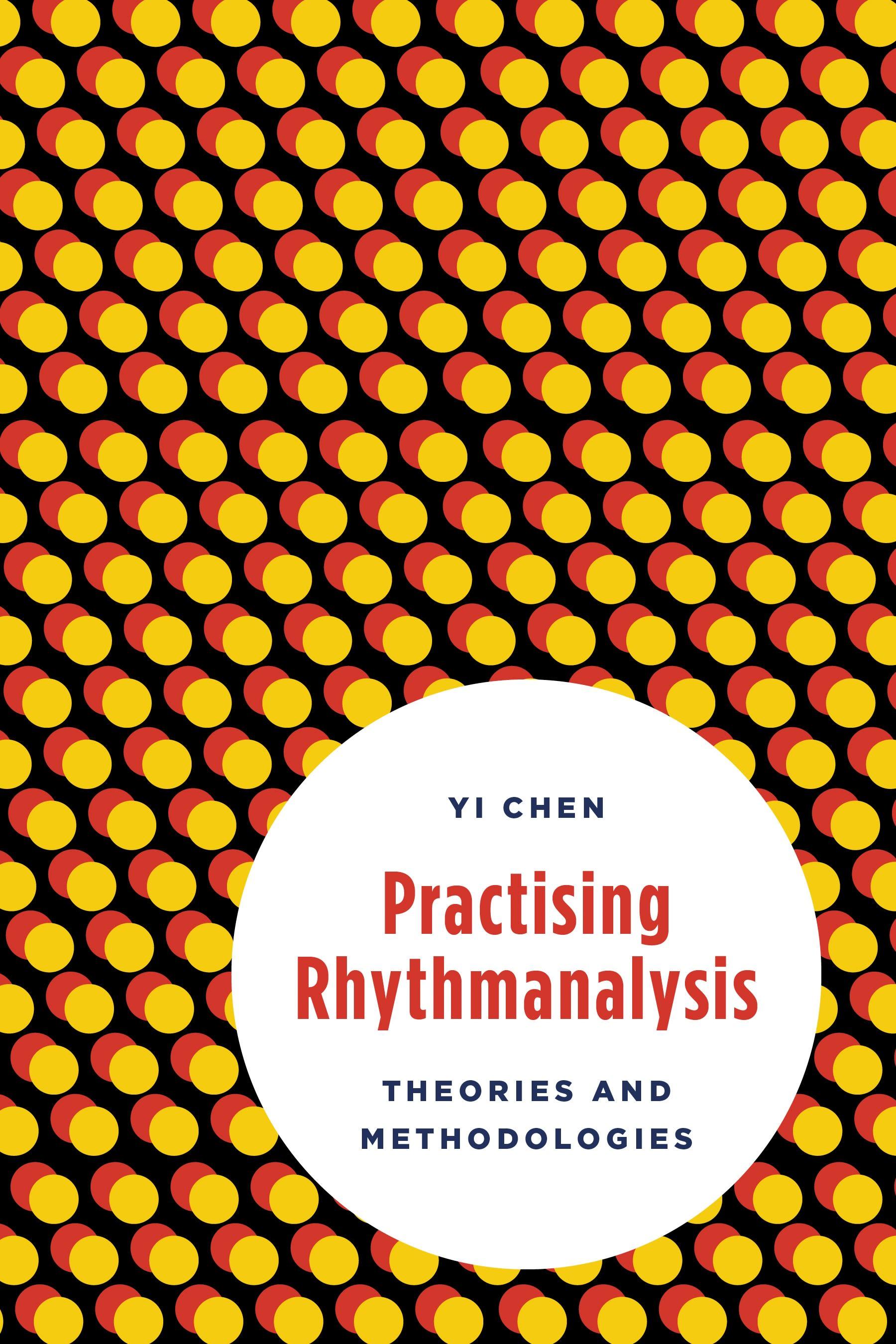
This book explores rhythmanalysis as a philosophy and as a research method for the study of cultural historical experiences. It formulates 'rhythm' as a critical concept which is defined in dialogic relationships to intellectual traditions, yet introducing unique philosophical positions that serve to re-think ways of conceiving and addressing cultural political issues.
Engaging with the notion of 'conjunctural shift', which for Stuart Hall captures the ruptured social landscape of Britain in the 1970s, the book then puts the method of rhythmanalysis to work by testifying the changing cultural experiences in rhythmic terms. This particular rhythmanalytical project instantiates while opening up ways of using rhythmanalysis for exploring cultural historical experiences.
Engaging with the notion of 'conjunctural shift', which for Stuart Hall captures the ruptured social landscape of Britain in the 1970s, the book then puts the method of rhythmanalysis to work by testifying the changing cultural experiences in rhythmic terms. This particular rhythmanalytical project instantiates while opening up ways of using rhythmanalysis for exploring cultural historical experiences.
Betal enkelt med kort, Klarna, Apple Pay eller Google Pay. Ikke fornøyd? Du har alltid 14 dagers angrerett. Les mer i våre vilkår. Har du spørsmål, send oss en e-post på hello@memmo.org.
Memmo gjør det enklere å studere – uansett hvor du er i verden. Hos oss samler du pensumbøker og smarte studieverktøy på ett og samme sted: sammendrag, quizer, podkaster og flashcards. Og så Ted, din studiekompis som svarer på alt du lurer på. Over 50 000 studenter studerer allerede her – bygget for at du skal lære raskere og stresse mindre.