
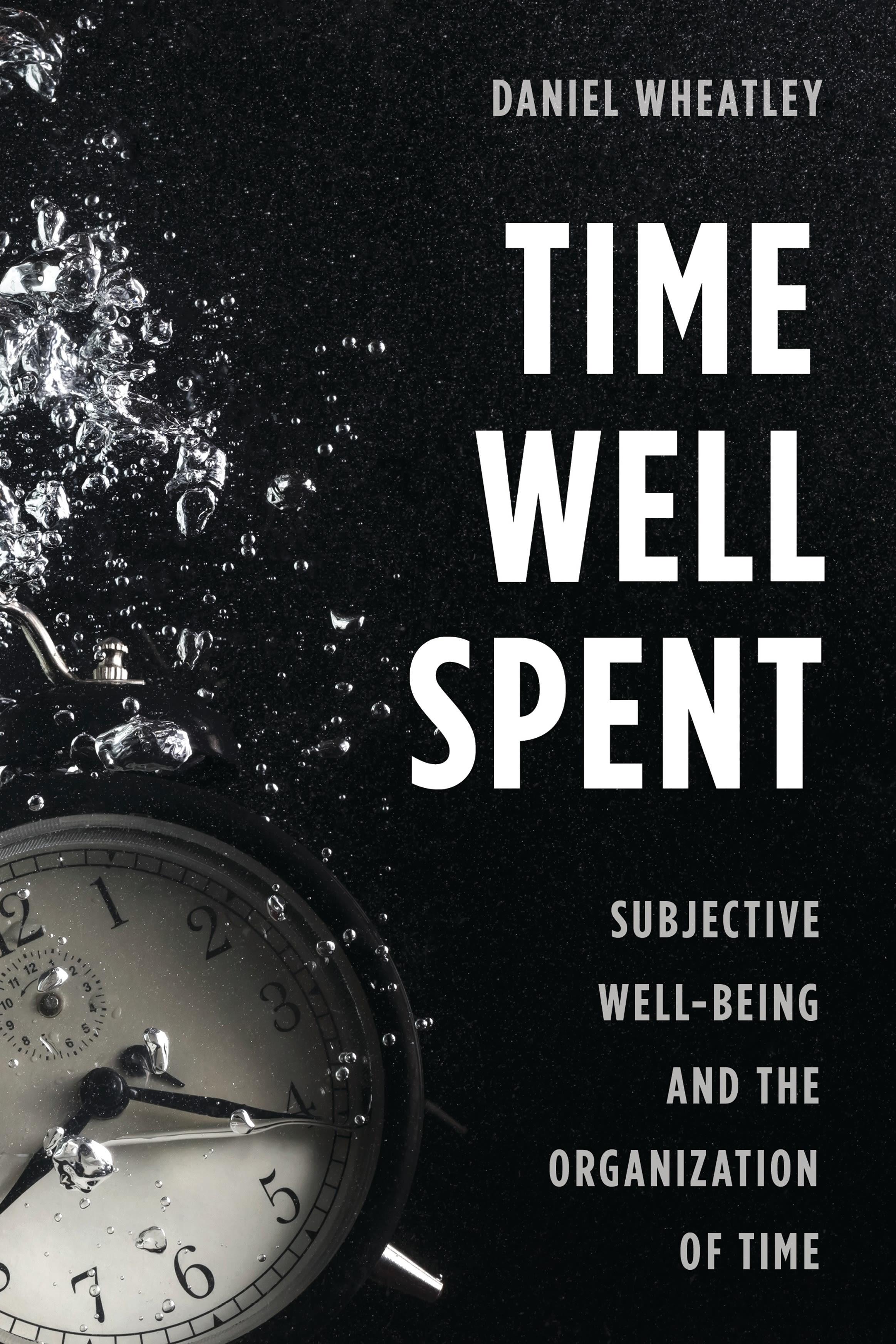
Measuring quality of life has been identified as fundamental in assessing the relative progress of societies and as having relevance for both monitoring and policy-making purposes. Self-reported measures of well-being, referred to as subjective well-being, have become increasingly topical given the growing awareness of the limitations of existing measures of well-being including gross domestic product (GDP). In the UK, the ONS’s ‘Happiness Index’ was launched in 2010 by Prime Minister David Cameron.
This book aims to improve our understanding of well-being through an analysis of time-use in a post-industrial society, the UK, drawing on empirical data from large-scale surveys such as Understanding Society and smaller-scale case study evidence. It uses a plurality of theoretical perspectives to explore the relationship between our use of time and our reported levels of satisfaction, and considers the policy lessons that we can take from our organization of time.
This book aims to improve our understanding of well-being through an analysis of time-use in a post-industrial society, the UK, drawing on empirical data from large-scale surveys such as Understanding Society and smaller-scale case study evidence. It uses a plurality of theoretical perspectives to explore the relationship between our use of time and our reported levels of satisfaction, and considers the policy lessons that we can take from our organization of time.
Betal enkelt med kort, Klarna, Apple Pay eller Google Pay. Ikke fornøyd? Du har alltid 14 dagers angrerett. Les mer i våre vilkår. Har du spørsmål, send oss en e-post på hello@memmo.org.
Memmo gjør det enklere å studere – uansett hvor du er i verden. Hos oss samler du pensumbøker og smarte studieverktøy på ett og samme sted: sammendrag, quizer, podkaster og flashcards. Og så Ted, din studiekompis som svarer på alt du lurer på. Over 50 000 studenter studerer allerede her – bygget for at du skal lære raskere og stresse mindre.