
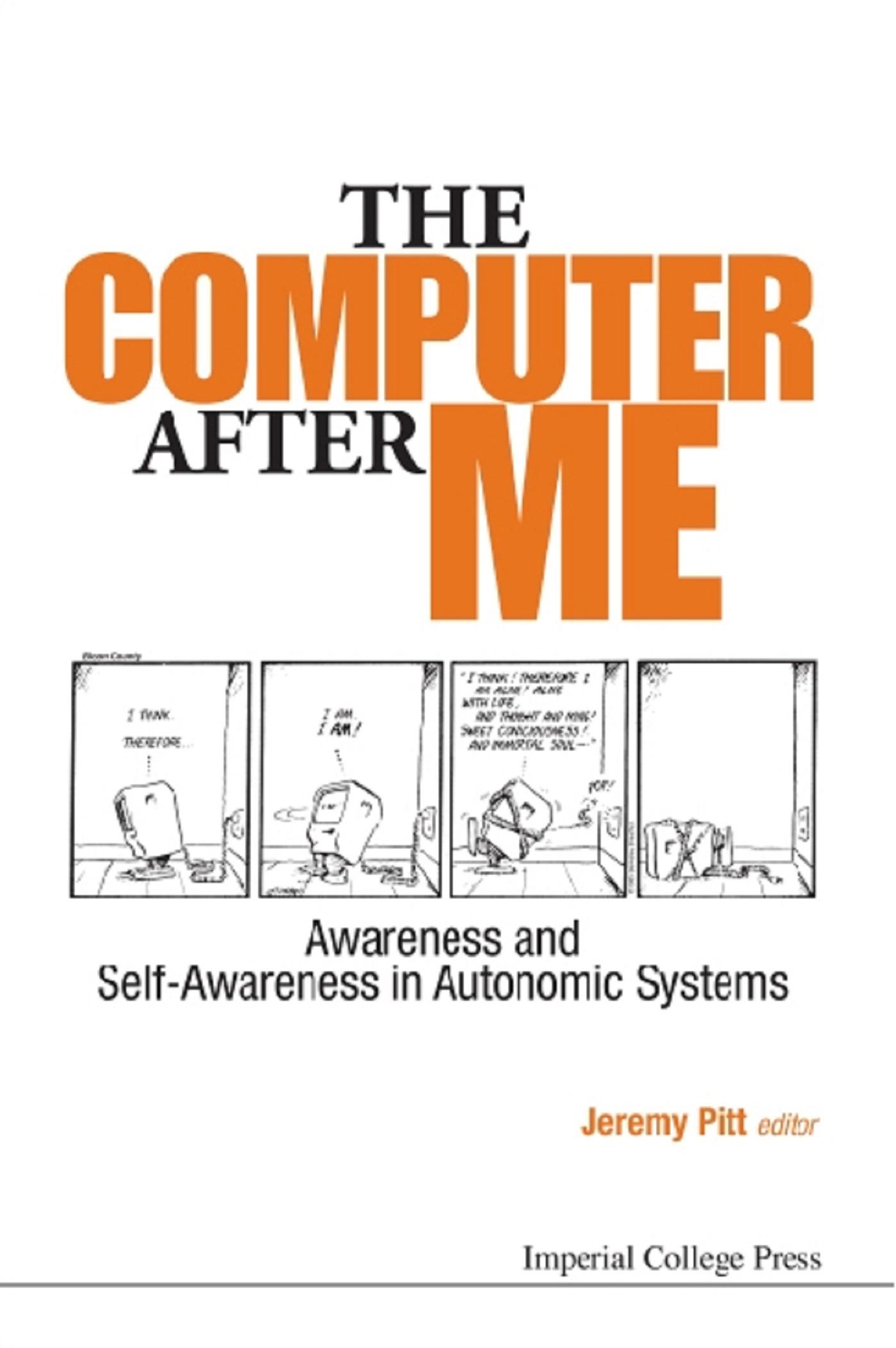
We are increasingly seeing computer systems which are expected to function without operator intervention. This is perhaps acceptable for running computer networks or traffic lights; however, we are now seeing computer systems deployed to qualitatively influence human judgments such as rulings on legal disputes or fitness for work to evaluate disability benefits. In keeping with the precautionary principle, it is important that those who are developing this capability — technologists and scientists — think through its potential implications.The aim of this book is to explore the technological and social and implications of computers and robots becoming increasingly ‘aware’ of their environment and the people in it, and their being increasingly ‘self-aware’ of their own existence within it.The wide-ranging scope of the text covers three different angles of the concept of ‘the computer after me’: (1) the next generation of computationally powerful aware systems; (2) systems in which the computer is aware of qualitatively impact human concerns such as law, health and rules; and (3) computers and robots which are aware of themselves.
Betal enkelt med kort, Klarna, Apple Pay eller Google Pay. Ikke fornøyd? Du har alltid 14 dagers angrerett. Les mer i våre vilkår. Har du spørsmål, send oss en e-post på hello@memmo.org.
Memmo gjør det enklere å studere – uansett hvor du er i verden. Hos oss samler du pensumbøker og smarte studieverktøy på ett og samme sted: sammendrag, quizer, podkaster og flashcards. Og så Ted, din studiekompis som svarer på alt du lurer på. Over 50 000 studenter studerer allerede her – bygget for at du skal lære raskere og stresse mindre.
Du vil kanskje også like
Kjøp boken0