
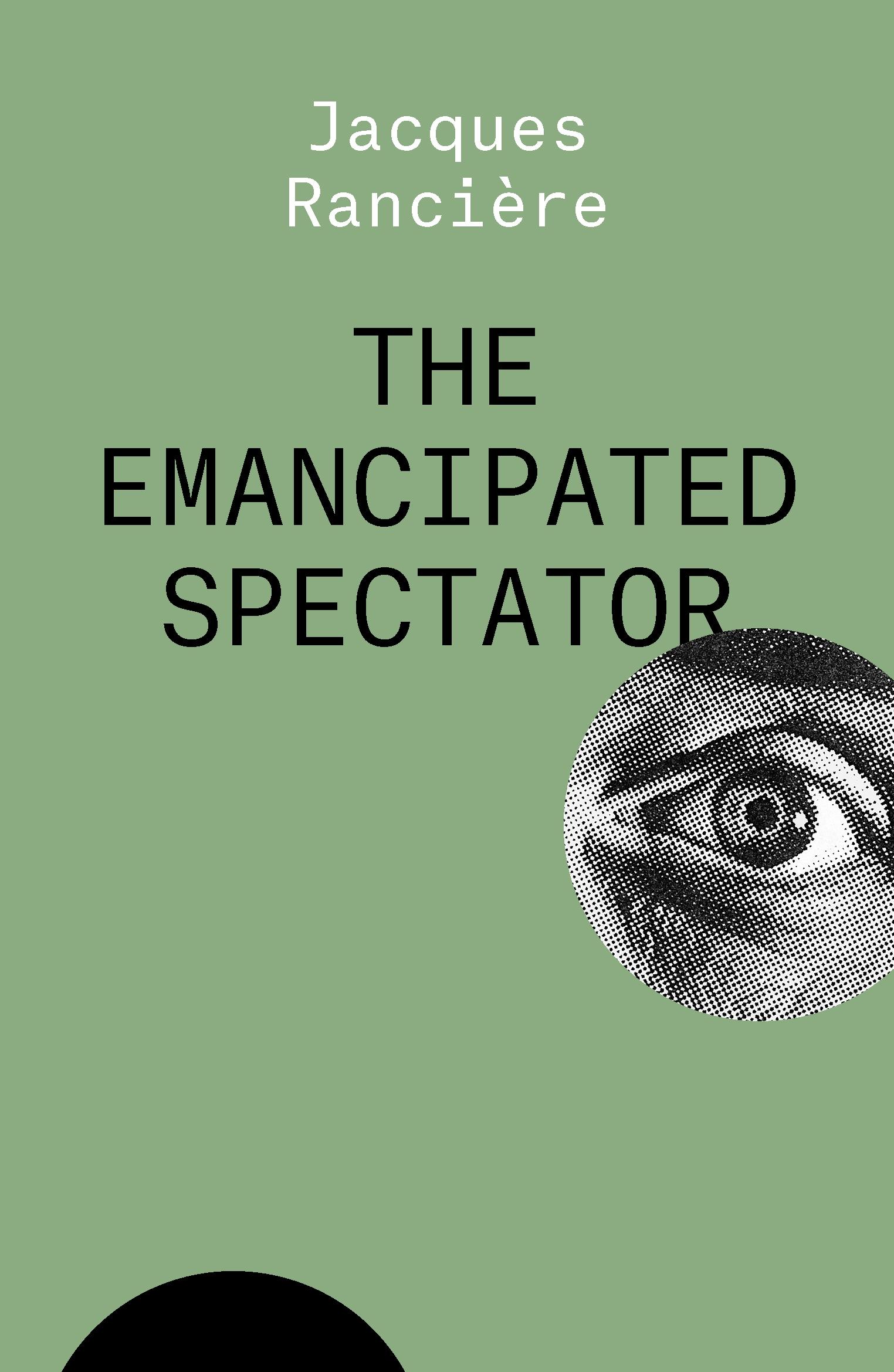
The theorists of art and film commonly depict the modern audience as aesthetically and politically passive. In response, both artists and thinkers have sought to transform the spectator into an active agent and the spectacle into a communal performance.
In this follow-up to the acclaimed The Future of the Image, Ranci�re takes a radically different approach to this attempted emancipation. First asking exactly what we mean by political art or the politics of art, he goes on to look at what the tradition of critical art, and the desire to insert art into life, has achieved. Has the militant critique of the consumption of images and commodities become, ironically, a sad affirmation of its omnipotence?
In this follow-up to the acclaimed The Future of the Image, Ranci�re takes a radically different approach to this attempted emancipation. First asking exactly what we mean by political art or the politics of art, he goes on to look at what the tradition of critical art, and the desire to insert art into life, has achieved. Has the militant critique of the consumption of images and commodities become, ironically, a sad affirmation of its omnipotence?
Betal enkelt med kort, Klarna, Apple Pay eller Google Pay. Ikke fornøyd? Du har alltid 14 dagers angrerett. Les mer i våre vilkår. Har du spørsmål, send oss en e-post på hello@memmo.org.
Memmo gjør det enklere å studere – uansett hvor du er i verden. Hos oss samler du pensumbøker og smarte studieverktøy på ett og samme sted: sammendrag, quizer, podkaster og flashcards. Og så Ted, din studiekompis som svarer på alt du lurer på. Over 50 000 studenter studerer allerede her – bygget for at du skal lære raskere og stresse mindre.
Du vil kanskje også like
Kjøp boken0