
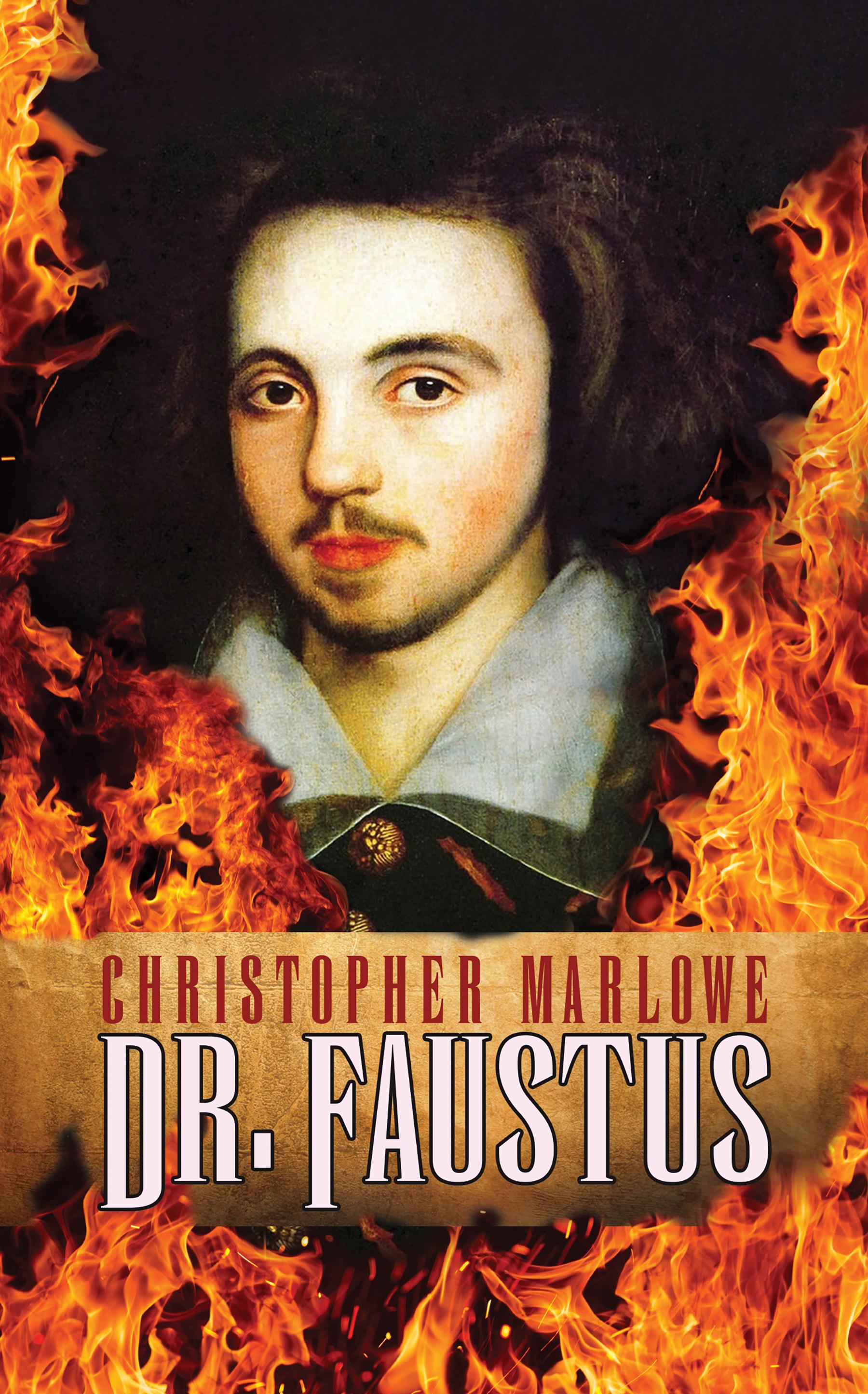
Dr. Faustus is a great Elizabethan tragedy by Christopher Marlow originally published in 1600. The story is based on an earlier anonymous classic German legend involving worldly ambition, black magic and surrender to the devil. It remains one of the most famous plays of the English Renaissance.
Dr. John Faustus, a brilliant, well-respected German doctor grows dissatisfied with the limits of human knowledge - logic, medicine, law, and religion, and decides that he has learned all that can be learned by conventional means. What is left for him, he thinks, but magic. His friends instruct him in the black arts, and he begins his new career as a magician by summoning up Mephastophilis, a devil. Despite Mephastophilis’s warnings about the horrors of hell, Faustus tells the devil to return to his master, Lucifer, with an offer of Faustus’s soul in exchange for twenty-four years of service from Mephastophilis.
On the final night before the expiration of the twenty-four years, Faustus is overcome by fear and remorse. He begs for mercy, but it is too late. At midnight, a host of devils appears and carries his soul off to hell.
Marlowe’s dramatic interpretation of the Faust legend is a theatrical masterpiece. With immense poetic skill, and psychological insight that greatly influenced the works of William Shakespeare and other dramatists, Dr. Faustus combines soaring poetry, psychological depth, and grand stage spectacle. Marlowe created powerful scenes that invest the work with tragic dignity, among them the doomed man’s calling upon Christ to save him and his ultimate rejection of salvation for the embrace of Helen of Troy.
Dr. John Faustus, a brilliant, well-respected German doctor grows dissatisfied with the limits of human knowledge - logic, medicine, law, and religion, and decides that he has learned all that can be learned by conventional means. What is left for him, he thinks, but magic. His friends instruct him in the black arts, and he begins his new career as a magician by summoning up Mephastophilis, a devil. Despite Mephastophilis’s warnings about the horrors of hell, Faustus tells the devil to return to his master, Lucifer, with an offer of Faustus’s soul in exchange for twenty-four years of service from Mephastophilis.
On the final night before the expiration of the twenty-four years, Faustus is overcome by fear and remorse. He begs for mercy, but it is too late. At midnight, a host of devils appears and carries his soul off to hell.
Marlowe’s dramatic interpretation of the Faust legend is a theatrical masterpiece. With immense poetic skill, and psychological insight that greatly influenced the works of William Shakespeare and other dramatists, Dr. Faustus combines soaring poetry, psychological depth, and grand stage spectacle. Marlowe created powerful scenes that invest the work with tragic dignity, among them the doomed man’s calling upon Christ to save him and his ultimate rejection of salvation for the embrace of Helen of Troy.
Betal enkelt med kort, Klarna, Apple Pay eller Google Pay. Ikke fornøyd? Du har alltid 14 dagers angrerett. Les mer i våre vilkår. Har du spørsmål, send oss en e-post på hello@memmo.org.
Memmo gjør det enklere å studere – uansett hvor du er i verden. Hos oss samler du pensumbøker og smarte studieverktøy på ett og samme sted: sammendrag, quizer, podkaster og flashcards. Og så Ted, din studiekompis som svarer på alt du lurer på. Over 50 000 studenter studerer allerede her – bygget for at du skal lære raskere og stresse mindre.
Du vil kanskje også like
Kjøp boken0